































































Understanding What “Food Grade” Really Refers To
In any industry where products are meant to be eaten, drunk, or otherwise ingested, packaging plays a critical role in safety and quality. From food and beverages to supplements, vitamins, and pharmaceuticals, the materials that come in contact with these products must meet strict standards to ensure consumer protection.
That’s where the term “food grade” comes in. But what does it actually mean? And how can businesses be sure the packaging they use meets the right safety requirements?
The Basics: FDA-Approved Materials and Compliance
When packaging is labeled as food grade, it means the material has been tested and approved by the U.S. Food and Drug Administration (FDA) as safe for direct contact with consumable products. This includes paper, plastic, coatings, adhesives, and inks used in the manufacturing process.

FDA regulations cover everything from the source of raw materials to how the final product is processed and stored. To earn the “food grade” classification, packaging must meet key requirements such as:
- It does not transfer harmful chemicals or substances to the product.
- It maintains integrity under normal usage conditions such as heat, cold, and moisture.
- It resists contamination during production, transport, and handling.
These standards apply to any packaging that directly touches consumable goods, whether that’s a sandwich wrapper, supplement bottle liner, or coffee pouch.
Direct vs. Indirect Contact Materials
Not every form of packaging that interacts with consumable items is considered direct contact. Understanding this difference helps businesses choose appropriate packaging for their specific needs.
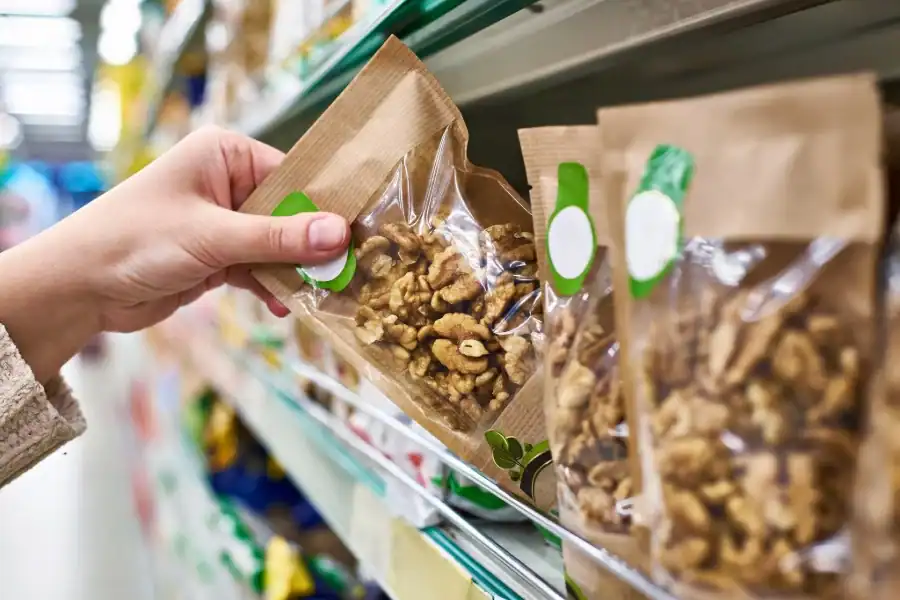
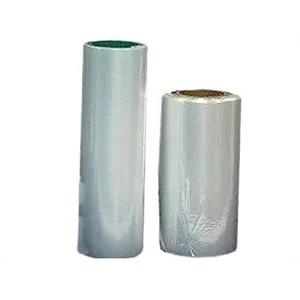
- Direct contact: Packaging materials that physically touch a product. Examples include wraps, liners, trays, and containers.
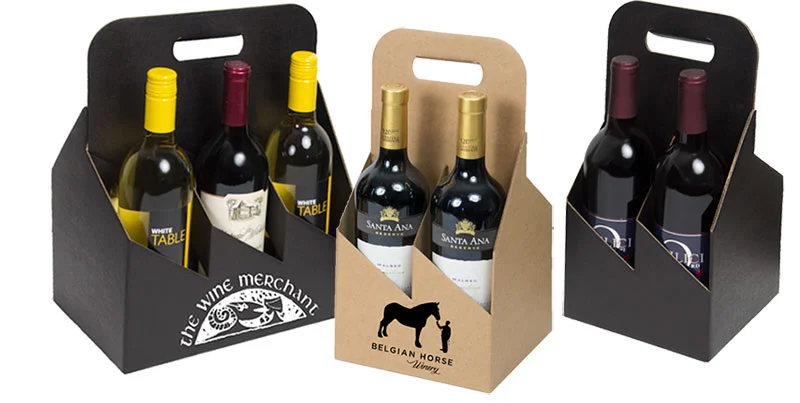
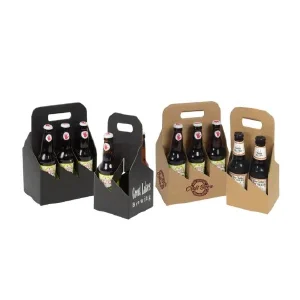
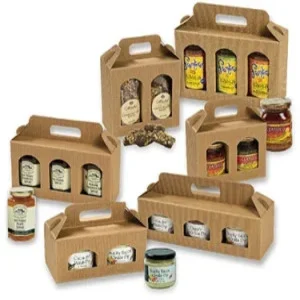
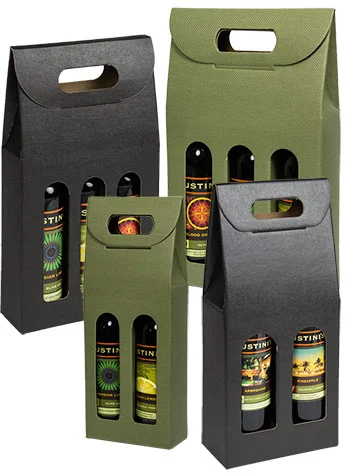
- Indirect contact: Materials that don’t touch the product directly but are nearby, such as outer cartons, carriers, or shipping boxes.
Direct-contact materials are held to stricter food-grade standards since they have a higher potential for transferring chemicals or contaminants.
Temperature Resistance and Safe Storage
Even when a material is food grade, how it’s used is equally important. Packaging designed for cold items may not perform well with hot or greasy products, and vice versa.
Key temperature and storage considerations include:
- Heat tolerance: Packaging should not melt, warp, or release chemicals when exposed to high temperatures or hot contents.
- Cold resistance: For refrigerated or frozen items, packaging should remain flexible and resist cracking or sticking.
- Grease and moisture barriers: Coatings or liners should help prevent leaks and maintain freshness while ensuring food safety.
Storage also plays a major role in maintaining packaging safety. Keep materials in a clean, dry environment away from chemicals, moisture, or temperature extremes to prevent contamination.
Common Food-Grade Materials
The “food grade” label applies to a variety of materials, but the most common include:
- Paper and board: Often treated or coated to resist grease, oil, or moisture.
- Polyethylene (PE): A widely used plastic that’s non-toxic and ideal for liners or wraps.
- Polypropylene (PP): Heat-resistant and suitable for both hot and cold items.
- PET (Polyethylene Terephthalate): Common in bottles and containers due to its clarity and strength.
Each of these materials offers unique advantages depending on the type of product and how it’s packaged, shipped, or displayed.
How to Ensure You’re Using Safe Packaging
For businesses that produce, package, or sell consumable goods, verifying packaging safety should always be a priority. Here are key steps to ensure compliance and protect product integrity:
- Request documentation. Reputable suppliers can provide FDA compliance statements or certificates of conformance for their products.
- Avoid unverified packaging. Materials without food-grade certification could pose contamination risks.
- Match the packaging to the use case. Confirm that your packaging is rated for the temperature, contents, and storage conditions of your products.
- Inspect before use. Check for any contamination, unusual odors, or residue that might indicate improper storage or handling.
Following these steps ensures that your packaging performs safely and meets the necessary standards for the industry you operate in.
Why It Matters
Food grade packaging isn’t just a regulatory term, it’s a crucial factor in protecting consumer health and maintaining product quality. Safe, compliant packaging prevents contamination, preserves freshness, and supports your brand’s credibility in any market where quality and safety matter most.
At Action Packaging, we believe informed businesses make better packaging decisions. By understanding what “food grade” really means, you can choose packaging that protects your products and the people who use them. If you are unsure if your packaging is food-grade or if you need help sourcing food-grade products, feel free to contact us at Action Packaging. We are here to help.


