



















Reclosable ziplock bags are everywhere today, but the technology behind them took years of iteration by multiple inventors. This guide breaks down who invented the ziplock style closure, when ziplock bags came out, how the closure evolved, and why reclosable bags became one of the most useful packaging tools across industries.
Quick Takeaways
- The core idea started in 1951: Børge Madsen patented an early interlocking plastic fastener concept.
- The design became practical through improvements: Steven Ausnit helped advance a simpler press-and-seal style closure.
- Patents helped move the closure into bags: Robert W. Vergobbi patented developments in 1954 related to plastic bag use.
- Widespread adoption came later: reclosable bags became common as manufacturing and plastic film production scaled in later decades.
- Today’s options are purpose built: press-to-seal, double track, slider, and tamper-evident styles exist for different workflows.
Who Invented the Ziplock Bag?
The reclosable ziplock bag was not a single moment invention. The closure technology evolved through multiple inventors and milestones, with early patents laying the foundation and later refinements making the closure easier to manufacture and use.
Børge Madsen
1951: Patented an early plastic, interlocking fastener concept that helped shape modern reclosable closures.
Steven Ausnit
Helped advance a more practical press-and-seal style design that improved usability and manufacturability.
Robert W. Vergobbi
1954: Patented developments that supported integrating interlocking closures into flexible plastic bags.
These contributions collectively led to the familiar reclosable bag closure used across packaging, storage, and distribution today.
When Did Ziplock Bags Come Out?
Practical answer: The closure technology emerged in the early 1950s, but widespread everyday use came later as manufacturing methods improved and scaled.
Early versions of the closure existed before most people saw reclosable bags in regular day to day use. Large scale adoption required advances in plastic film extrusion, zipper integration, and production efficiency. Once those processes matured, reclosable bags expanded quickly into consumer and industrial markets.
| Era | What changed | Why it mattered |
|---|---|---|
| Early 1950s | Foundational patents and early closure concepts | Proved the idea of an interlocking resealable seal in plastic |
| Mid 1950s onward | Design refinements and bag integration improvements | Made closures more realistic for everyday bag formats |
| Later decades | Scaled manufacturing and broader distribution | Turned reclosable bags into a common packaging staple |
Why Reclosable Bags Became So Popular
A reclosable closure solves a simple problem, how to open a package, take what you need, and close it again without needing tape, staples, or a new container. That one improvement made bags more useful for storage, organization, shipping, and handling.
Convenience
Quick open and close makes repeat access easy.
Protection
Helps shield contents from dust, moisture, and handling.
Organization
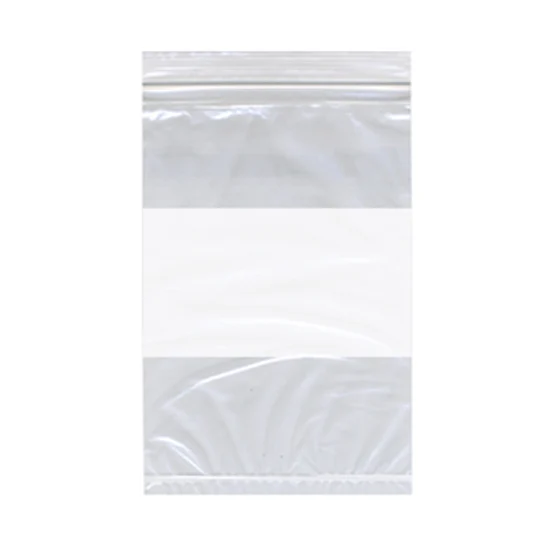
Clear packaging and resealability support sorting and labeling.
How Zip-Locking Technology Evolved
Modern reclosable bags are engineered for specific use cases. Over time, improvements in plastics, seals, and manufacturing led to better durability, more consistent sealing, and new formats designed for repeated handling.
- Stronger films: Better puncture resistance and durability for heavier or sharper contents.
- More consistent seals: Improved closure geometry helps reduce partial sealing and leak paths.
- Better barrier performance: Some films add protection against moisture, oxygen, odors, or light depending on the application.
- More specialized options: Formats now exist for industrial parts, electronics, healthcare, food, retail, and distribution.
Different Types of Reclosable Zip Closures
Not all zip bags seal the same way. Different closure styles exist for speed, strength, and ease of use.
Press-to-seal
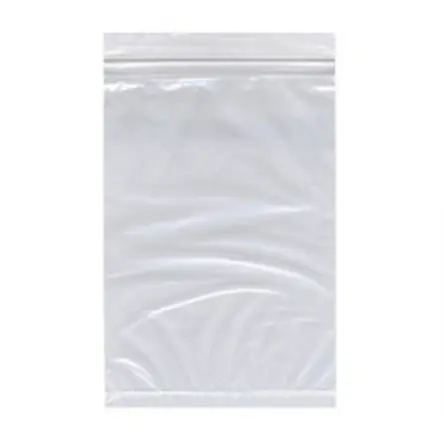
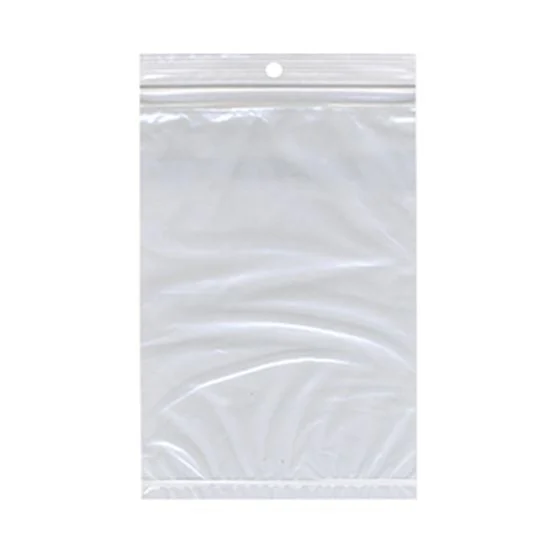
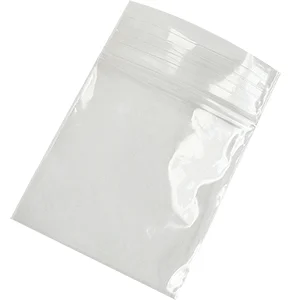
The most common style, interlocking tracks seal when pressed together.
Double track
Added seal strength for heavier contents or higher handling intensity.
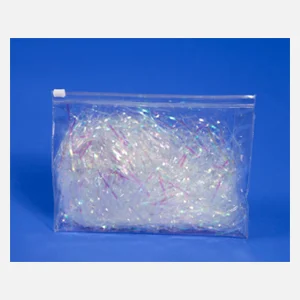
Slider closure
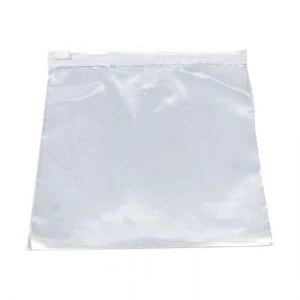
A slider guides the tracks together for quick, consistent sealing during frequent access.
Tamper-evident
Designed to show evidence of opening for chain of custody and controlled access workflows.
Common Uses for Reclosable Bags
Reclosable bags are used anywhere products need to be protected, organized, or accessed multiple times. Here are some of the most common environments.
Manufacturing and MRO
Hardware, fasteners, fittings, kits, and small components.
Healthcare and labs
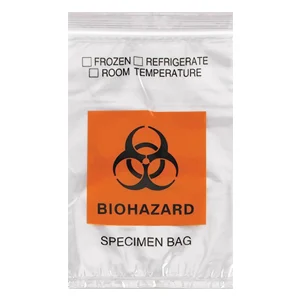
Specimen and instrument storage with documentation needs.
Retail and e-commerce
Product protection, sorting, packing, and returns handling.
Practical tip: In industrial workflows, reclosable bags often improve organization and reduce product mix ups when combined with consistent labeling and a small standardized set of bag sizes.
Frequently Asked Questions
Shop Plastic Reclosable Bags
If you need reclosable bags for storage, organization, kitting, or shipping, browse Action Packaging’s selection of plastic reclosable bags to find the right closure style and format for your workflow.