FIBCs / Bulk Bags
Filters
Filter
Understanding FIBC Types and Bulk Bag Construction
Type A, Type B, Type C, and Type D FIBCs are classified according to their electrostatic properties. The appropriate type depends on the material being packaged, the surrounding atmosphere, and how static electricity will be managed during filling and discharge.
Baffle bulk bags describe a construction style rather than a separate electrostatic classification. A baffle design may be specified alongside the appropriate Type A, B, C, or D requirements when improved shape retention and space efficiency are needed.
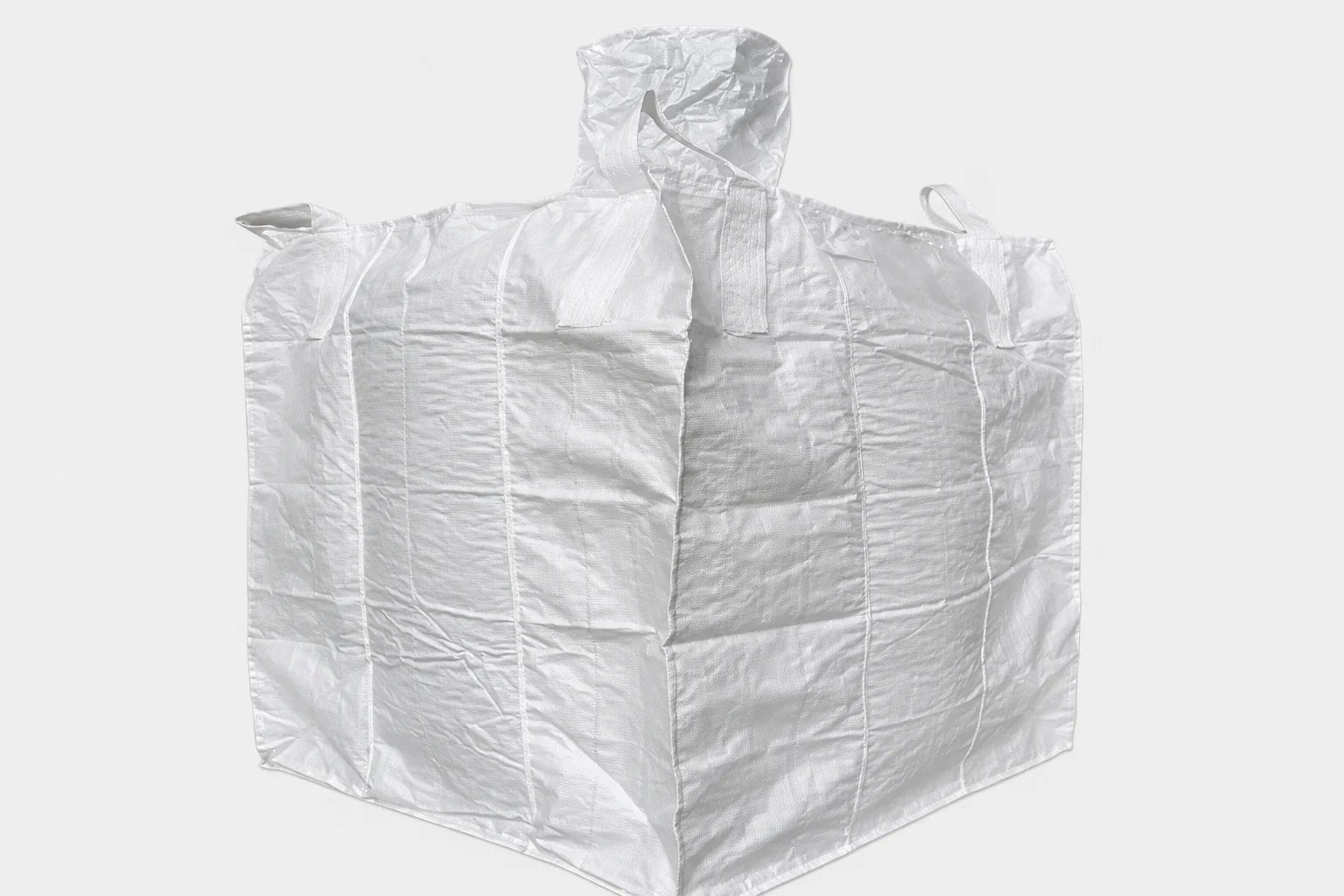
Type A FIBCs General-purpose bulk handling without static protection
When Type A FIBCs May Be Appropriate
Type A bulk bags are made from standard woven polypropylene and do not provide protection against static electricity. They are intended for applications in which static protection is not required.
Businesses commonly consider Type A FIBCs for:
- Non-hazardous dry bulk materials
- Sand, aggregates, and construction materials
- Agricultural products and animal feed
- Plastic resins and industrial components
- Routine storage and transportation applications
Type B FIBCs Low-breakdown-voltage fabric without active charge dissipation
Understanding Type B FIBCs
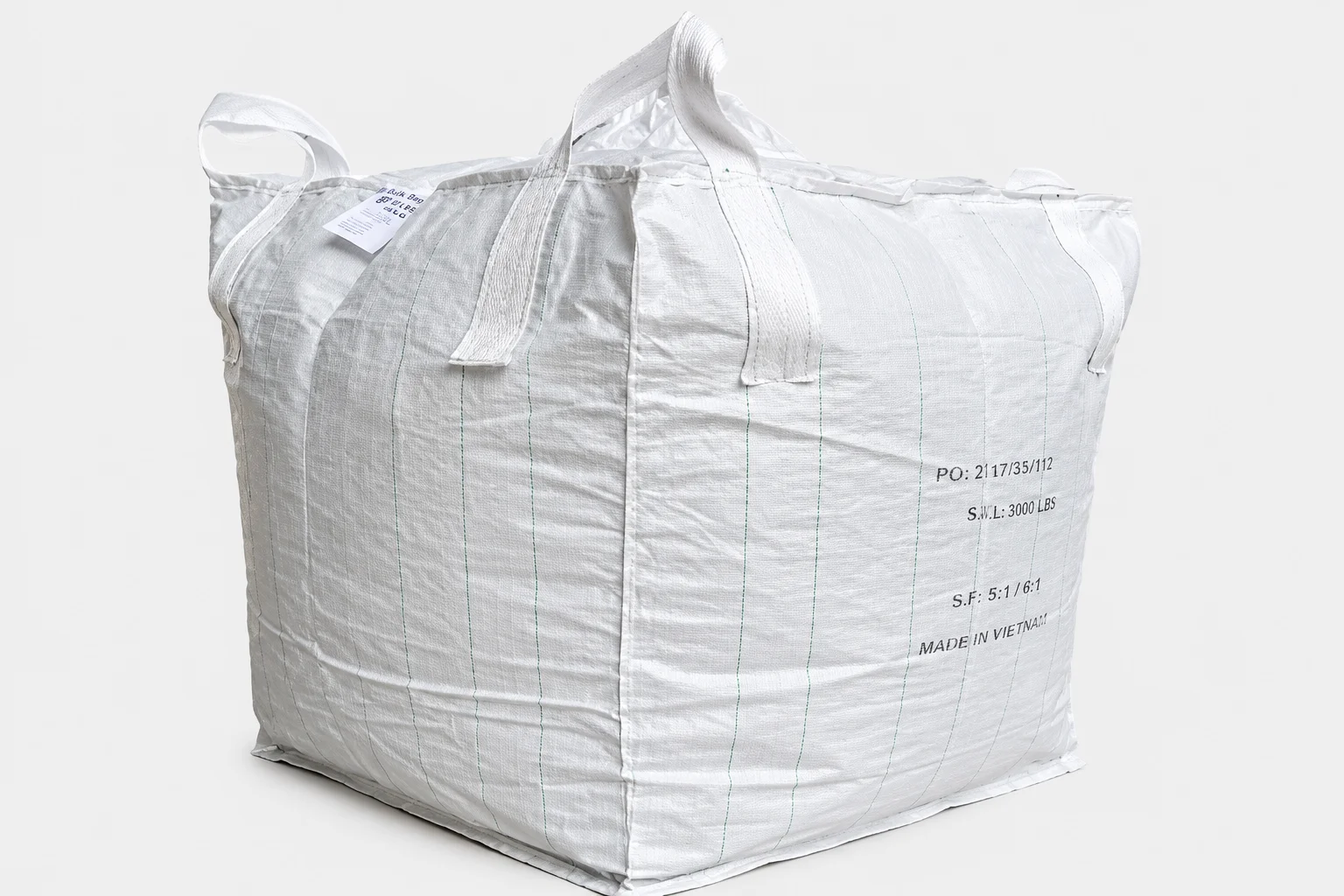
Type B bulk bags use insulating fabric engineered to have a low breakdown voltage. Unlike Type C and Type D bags, they do not actively dissipate static electricity and are not considered antistatic.
The suitability of a Type B FIBC depends on factors such as:
- The material's ignition characteristics
- The presence of combustible dust
- The surrounding gases or vapors
- Filling and discharge conditions
- The operation's documented hazard assessment
Type B FIBCs are generally supplied through a custom-order process. Request a custom Type B FIBC quote to discuss your material, operating environment, bag dimensions, and estimated quantity.
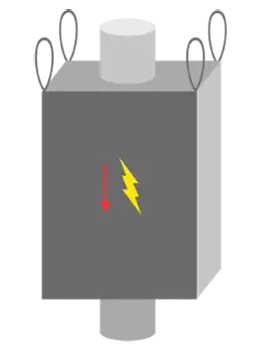
Type C FIBCs Conductive bulk bags that require proper grounding
Understanding Type C FIBCs
Type C FIBCs, also called conductive or groundable bulk bags, contain interconnected conductive threads designed to safely dissipate electrostatic charge. The bag must be connected to an appropriate grounding point during filling and discharge.
Operations considering Type C bags should evaluate:
- Grounding-point availability
- Grounding verification procedures
- Material and environmental hazards
- Employee handling procedures
- Filling and discharge equipment
Type C FIBCs are generally supplied through a custom-order process. Request a custom Type C FIBC quote to discuss your grounding requirements, operating conditions, bag specifications, and estimated quantity.
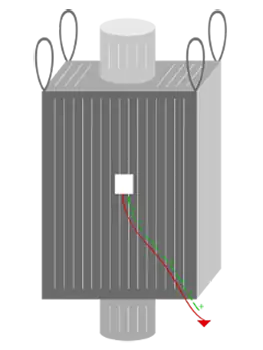
Type D FIBCs Static-dissipative bulk bags that do not require grounding
Understanding Type D FIBCs
Type D FIBCs are made with static-dissipative fabric designed to control electrostatic charge without requiring a connection to ground. Their safe use still depends on the packaged material, surrounding environment, nearby conductive objects, and operating procedures.
When evaluating Type D bags, businesses should consider:
- Material and dust characteristics
- The surrounding operating atmosphere
- Nearby conductive objects and equipment
- Filling, handling, and discharge procedures
- Supplier and facility safety requirements
Type D FIBCs are generally supplied through a custom-order process. Request a custom Type D FIBC quote to discuss your material, static-control requirements, operating environment, and estimated quantity.

Baffle Bulk Bags Shape-retaining construction for efficient storage and transport
How Baffle Bulk Bags Improve Space Efficiency
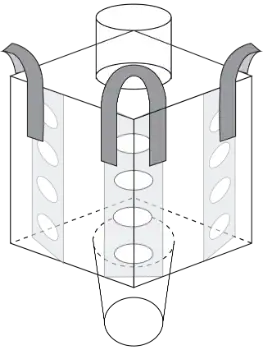
Baffle bulk bags contain internal fabric panels that help the bag retain a more square or rectangular shape after filling. This construction reduces outward bulging and can improve space utilization throughout storage and transportation.
Baffle construction can help support:
- More efficient pallet utilization
- Improved bag shape and stability
- Better warehouse organization
- More efficient trailer and container loading
- A cleaner, more consistent presentation
Important: FIBC selection involving combustible materials, static-sensitive products, or potentially flammable environments should be reviewed by qualified safety personnel. Suitability depends on the material, operating environment, handling equipment, and applicable safety requirements.
Need Help Choosing or Specifying FIBC Bulk Bags?
Tell our team what you are packaging, the material's bulk density, required capacity, preferred dimensions, filling and discharge method, handling equipment, and estimated quantity. We can help identify an appropriate stock option or develop a made-to-spec FIBC for your operation.
Request an FIBC Quote