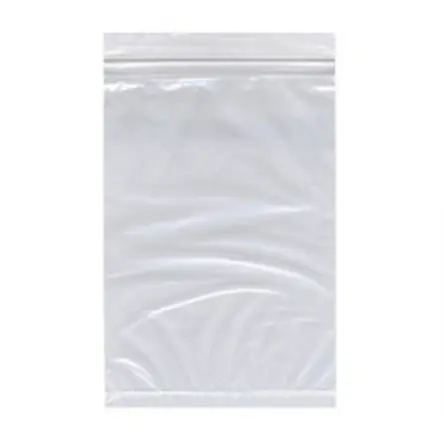
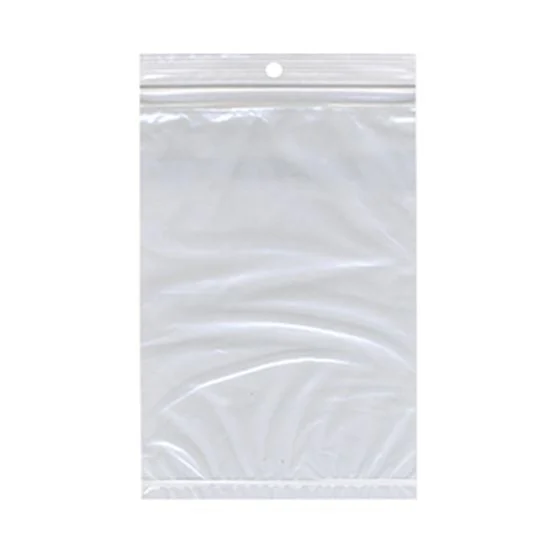
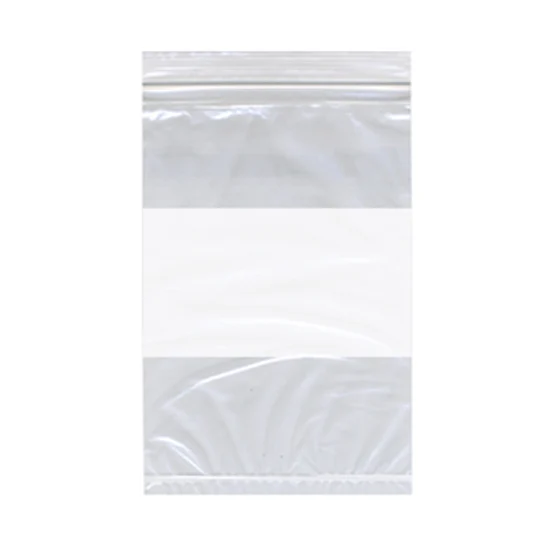
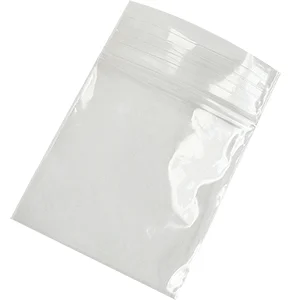
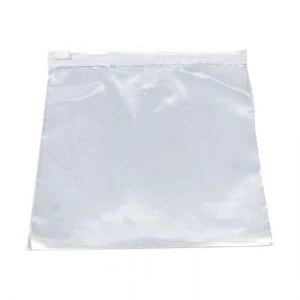





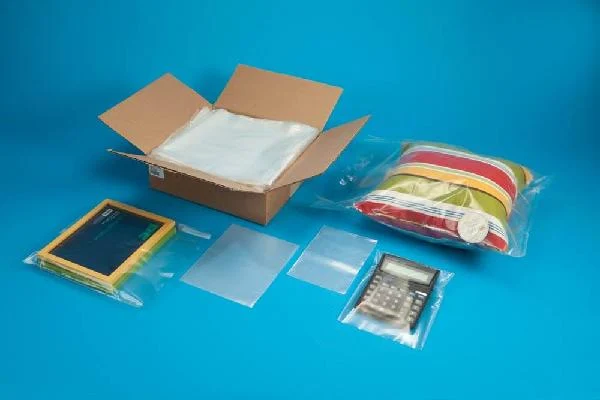
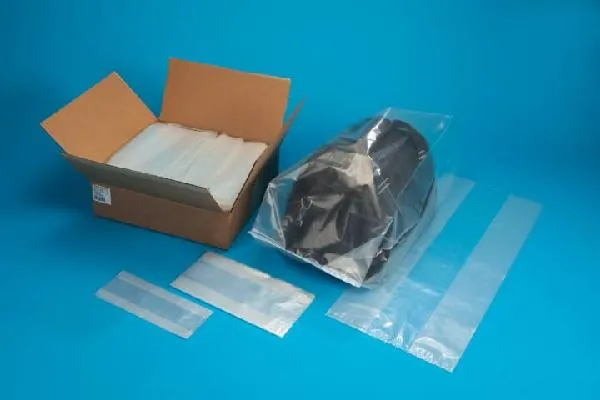













































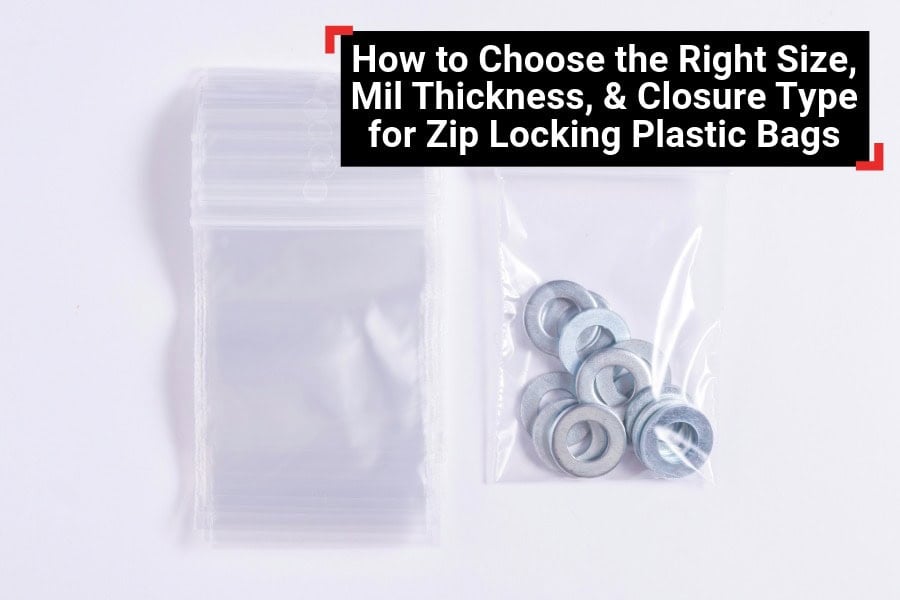
If you store, kit, pick, pack, or ship parts like hardware and fasteners, the right plastic reclosable bag can reduce product mix ups, improve organization, and protect contents from dust, moisture, and handling damage. This guide walks you through sizing, mil thickness, and closure options using simple, practical rules.
Quick Takeaways
- Start with sizing: measure contents, then add extra room so the seal closes easily.
- Choose thickness by risk: sharper, heavier, or abrasive parts usually need higher mil.
- Pick the right closure: standard press to close for everyday use, double track for added seal strength, slider for frequent access.
- Standardize where possible: fewer bag SKUs improves efficiency, training, and reordering.
Why Size, Thickness, and Closure Matter in Industrial Use
In manufacturing, distribution, and MRO environments, packaging decisions affect more than storage. The wrong bag can cause parts to puncture through, slow down pick and pack workflows, or create quality issues from contamination or mixed parts.
Fewer picking errors
Clear, right sized packaging helps teams identify the correct SKU quickly.
Less damage and loss
Correct mil thickness reduces punctures and keeps small parts contained.
Better organization
Standardized sizes improve bin setup, kitting, and cycle counts.
Step 1, How to Choose the Right Zip Bag Size
Simple rule: measure your contents, then add enough room so the closure seals easily without stress.
Measure your contents the right way
- Width: measure the widest point.
- Length: measure the longest point, including any protruding edges.
- Bulk: account for stacked or loose items that take up space.
Add extra room so the bag closes cleanly
For loose items like screws, nuts, bolts, washers, and small components, add extra space so the contents can shift without pushing against the seal. This helps reduce punctures and makes packing faster.
Common size ranges and practical use cases
| Size range | Best for | Common examples |
|---|---|---|
| Small | High count items and small parts | Washers, o rings, screws, small fittings |
| Medium | Kits, grouped components, mid size parts | Fastener assortments, repair kits, connectors |
| Large | Bulk parts and larger components | Grouped SKUs, sub assemblies, larger fittings |
| Extra large | Heavy or bulky sets of items | Mixed hardware bundles, larger component groups |
Tip: Standardizing a small set of sizes usually improves training, speeds packing, and simplifies reordering.
Step 2, Plastic Bag Thickness Explained, What Is a Mil
Thickness is measured in mils. One mil equals one thousandth of an inch. Higher mil thickness generally means higher durability and better puncture resistance.
Common question
How thick are zip lock bags? Many household style bags are thinner, while industrial reclosable bags are often selected in thicker mil options to handle heavier parts, sharp edges, and rougher handling.
Best practice
Choose mil thickness based on the risk of puncture, abrasion, moisture exposure, and how frequently the bag is handled.
Mil thickness guide for industrial zip bags
| Mil | Recommended use | Examples |
|---|---|---|
| 2 mil | Light duty storage and low puncture risk | Light parts, paperwork, small non sharp items |
| 3 mil | General purpose for many industrial workflows | Everyday hardware, fasteners, small components |
| 4 mil | Added durability for heavier or sharper contents | Screws, bolts, metal fittings, dense parts |
| 6 mil | Heavy duty puncture resistance and rough handling | Sharp edges, abrasive parts, high handling environments |
| 8 mil+ | Maximum durability for dense or high risk parts | Heavy components and high value parts needing extra protection |
Tip for hardware and fasteners: Many teams start with 3 mil for general use, then move up to 4 mil or 6 mil for heavier, sharper, or more abrasive parts.
Step 3, Choose the Best Closure Type for Your Application
Closure type impacts speed, seal reliability, and how well the bag holds up to repeated opening and closing.
Standard press to close
A dependable everyday choice for most industrial packaging needs. Good for bin storage, kitting, and shipping.
Double track closure
Added seal strength for heavier contents and applications where the bag sees more stress.
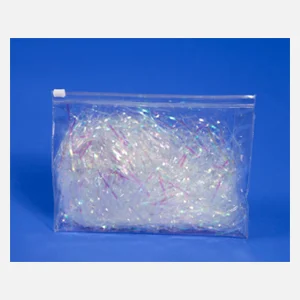
Slider closure
Easy open and close for frequent access, including glove use in certain workflows.
Tamper-evident options
Useful for chain of custody, controlled access, and applications that require evidence of opening.
Step 4, Match the Bag to Your Environment
Environmental conditions influence the right bag choice. Consider what your parts experience from storage to shipment.
- Moisture and humidity: Thicker bags can help reduce issues in damp storage areas.
- Static risk: Electronics and sensitive components may require anti static or static shielding options.
- Contamination control: Precision environments may need tighter handling and cleaner storage methods.
- Handling intensity: The more your team touches the bag, the more thickness matters.
Step 5, Improve Efficiency with Standardization and Labeling
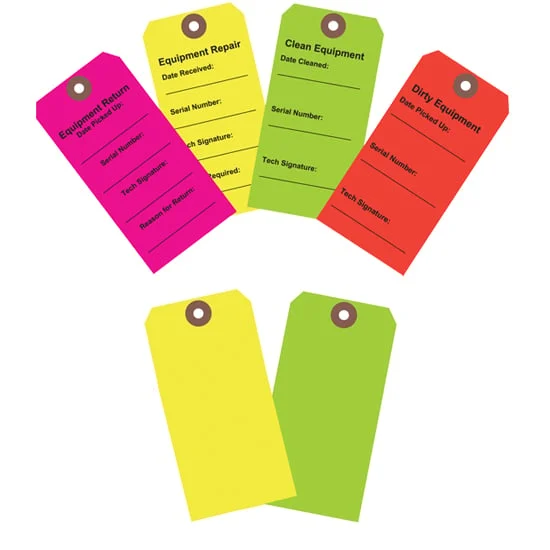
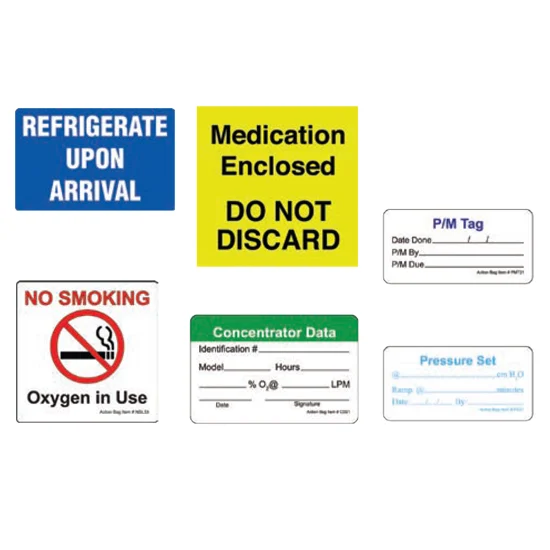
The best results come from building a simple standard. Many teams reduce bag SKUs and improve accuracy by using consistent sizes and adding clear labels for part numbers, lot tracking, and kit identification.
Standardize sizes
Simplifies reordering and reduces confusion on the floor.
Label consistently
Supports inventory counts, traceability, and kitting accuracy.
Improve visibility
Clear packaging helps teams confirm contents at a glance.
Frequently Asked Questions
Need help choosing the right reclosable bags?
If you want to standardize sizes, reduce punctures, or improve kitting and pick accuracy, you can shop reclosable bags on your own or get in touch with our team for help selecting the best size, mil thickness, and closure type for your application.