











































































































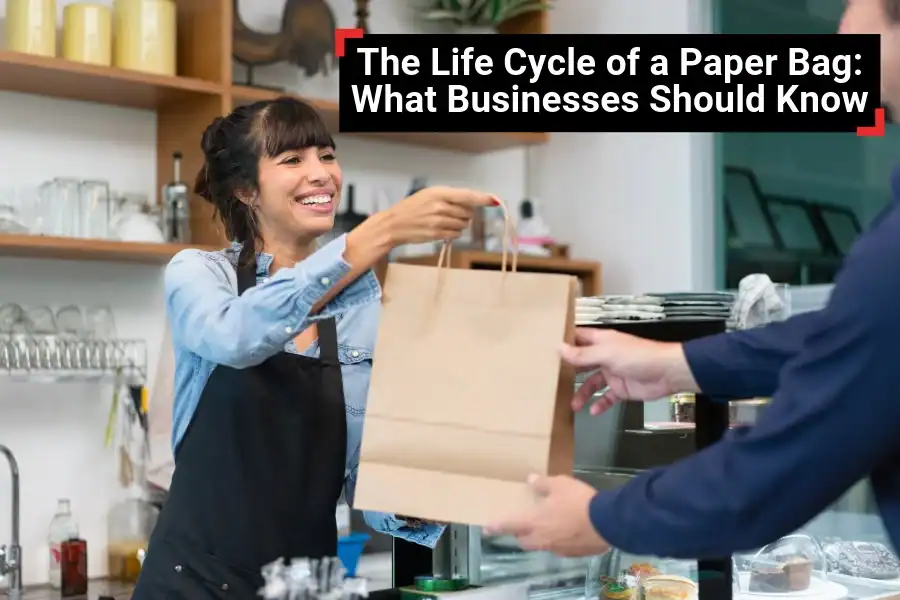
From Raw Material to Retail: Understanding the Journey
Paper bags are one of the most recognizable and widely used forms of packaging in the world. Whether you manage a restaurant, boutique, grocery store, or event-based business, paper bags offer an efficient, eco-conscious, and durable solution for carrying products. But have you ever wondered how these bags are made, or what happens after they’ve been used?
Understanding the life cycle of a paper bag helps businesses make informed decisions about their packaging choices, from sourcing to disposal.
Step 1: The Sourcing Stage
The life of a paper bag begins with responsibly managed forests. Most modern paper bags are produced using pulp from trees grown specifically for paper manufacturing, often certified by organizations that ensure sustainable forestry practices.

The wood is chipped, pulped, and processed to extract cellulose fibers, which are then refined into paper. Many paper bag manufacturers also use post-consumer recycled paper, reducing the demand for virgin materials and minimizing waste.
Why it matters: Choosing paper bags made with recycled content helps businesses lower their environmental footprint and demonstrate a commitment to sustainability without sacrificing quality.
Step 2: The Manufacturing Process
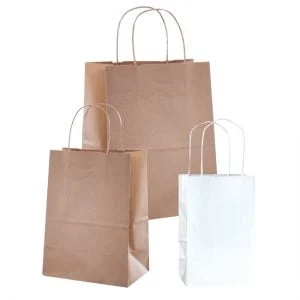
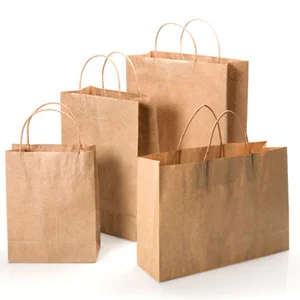
Once the pulp is ready, it’s rolled into sheets, dried, and cut to size. The paper is then fed into machines that fold, glue, and shape it into functional bags. Depending on the bag type, twisted paper handles or flat handles may be added for strength and convenience.
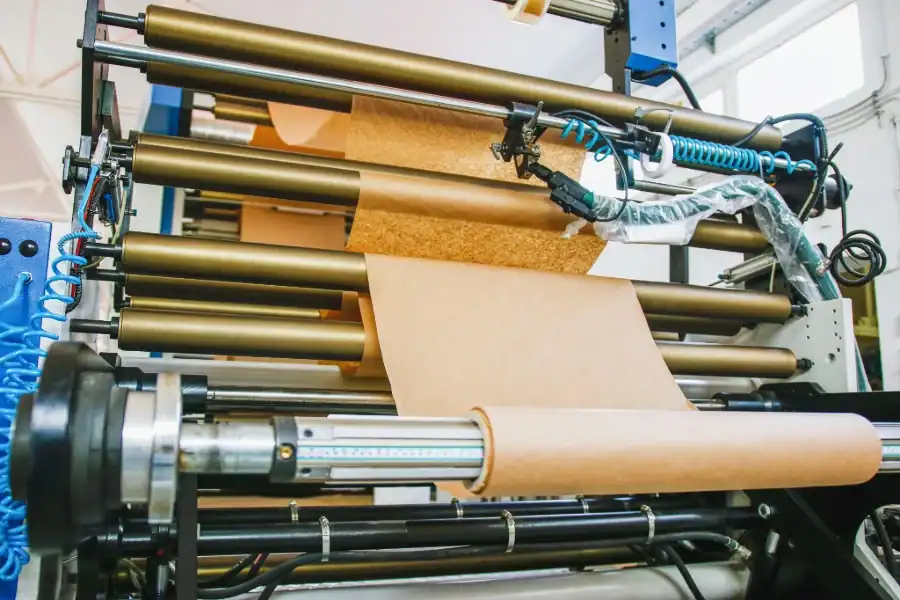
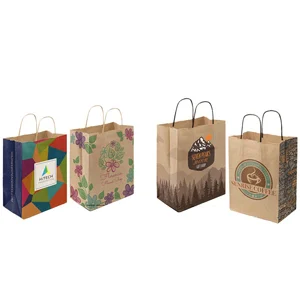
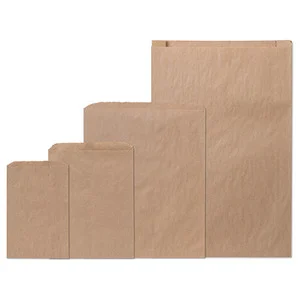
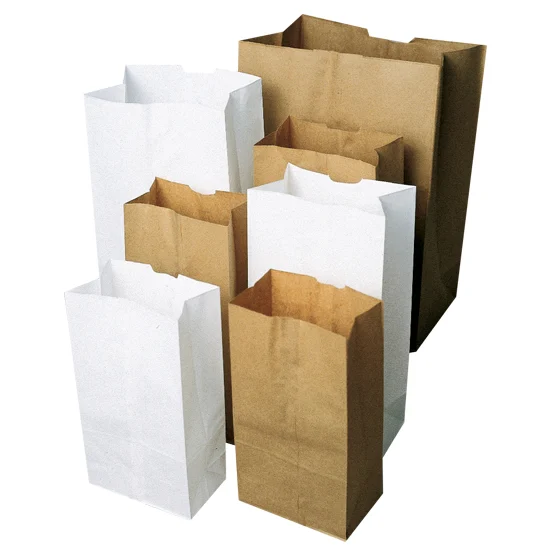
Action Packaging offers a range of paper shopping bags, paper takeout bags, paper grocery bags, and more, designed to withstand heavy loads and maintain structure, even in high-use environments.
Why it matters: The strength and durability of paper bags are determined during manufacturing. Businesses that opt for higher-grade paper bags can prevent tearing, reduce waste, and enhance customer satisfaction.
Step 3: The Distribution and Use Phase
After production, paper bags make their way to warehouses, distributors, and ultimately to the businesses that use them. From there, they become an integral part of the customer experience, providing not just a means to carry items but also a symbol of care and quality.

Paper bags are favored across industries for their versatility and professional look. Restaurants use them for takeout and retailers for merchandise.
Why it matters: The right packaging contributes to convenience, presentation, and customer perception. A sturdy paper bag signals professionalism and attention to detail.
Step 4: The End of Its First Life
After serving its purpose, a paper bag’s journey doesn’t necessarily end in the trash. Paper is one of the most recyclable materials available today. Most recycling centers accept paper bags, turning them into new products such as tissue, cardboard, or even new paper bags.

Some bags also find a second life through reuse as lunch sacks, storage bags, or gift wrap. This reusability adds extra value for both businesses and consumers.
Why it matters: Encouraging recycling and reuse helps reduce landfill waste and supports a more circular economy.
Step 5: The Cycle Continues
When recycled, paper fibers can be repurposed several times before they eventually break down. The process saves water, energy, and raw materials, reinforcing the role paper bags play in sustainable packaging systems.
By choosing responsibly sourced, recyclable bags, businesses participate in an ongoing cycle that benefits both the environment and their bottom line.
A Smarter Choice for Business
The life cycle of a paper bag tells a story of renewal and responsibility. For businesses, understanding that story can lead to smarter purchasing decisions and a more thoughtful brand image.
At Action Packaging, we provide paper shopping bags, paper takeout bags, and paper grocery bags in bulk, all designed to balance durability, functionality, and sustainability.
If your business is ready to restock or upgrade its paper packaging, explore our full selection of paper bags today and choose a solution that aligns with both your operational and environmental goals.
Packaging Cost Management
Packaging costs are often treated as a fixed expense, but many businesses have opportunities to reduce costs through better purchasing strategies, supplier consolidation, product standardization, and inventory planning.
Many organizations focus on labor, freight, utilities, and raw materials when looking for savings opportunities, while packaging purchases remain largely unchanged year after year.
Over time, this can create unnecessary costs, duplicate products, fragmented purchasing practices, and operational inefficiencies. The good news is that packaging costs can often be reduced without disrupting your operation or lowering product quality.
The key is to look beyond the unit price and review how packaging is specified, purchased, stored, shipped, and used across your business.

1. Standardize Packaging Across Departments
One of the easiest ways packaging costs get out of control is through inconsistent ordering. Different departments, locations, or buyers may order similar packaging items from different vendors without realizing there is overlap.
Standardization helps reduce unnecessary variation. Instead of maintaining several similar bags, boxes, mailers, labels, or supplies, your business may be able to use fewer packaging items across more applications.
Fewer SKUs
Reduce the number of similar packaging items being managed, reordered, and stored.
Cleaner Inventory
Make it easier for purchasing, warehouse, and operations teams to know what to order.
Stronger Buying Power
Concentrate volume into fewer products to create better purchasing opportunities.
2. Consolidate Vendors Where It Makes Sense
Working with too many packaging vendors can create hidden costs. Every additional supplier may mean more purchase orders, more invoices, more communication, more freight coordination, and less visibility into total packaging spend.
Vendor consolidation can simplify purchasing and improve efficiency, especially when your business is buying similar products from several different sources.
Vendor consolidation should improve service, visibility, and efficiency. The goal is not simply to use fewer suppliers, but to work with better-aligned suppliers.

3. Review Packaging Specifications Regularly
Packaging specifications can become outdated. A product that made sense years ago may no longer be the best fit today, especially if product dimensions, order volume, shipping methods, storage requirements, or customer expectations have changed.
In some cases, businesses are using packaging that is heavier, larger, stronger, or more complex than the application requires. In other cases, they may be using packaging that creates damage, handling issues, or inefficiency.
- ✓ Bags that are heavier than necessary
- ✓ Boxes that are larger than the product requires
- ✓ Supplies that are being used for the wrong application
- ✓ Legacy items that have not been reviewed in years
- ✓ Multiple similar products that could be standardized
How Action Packaging Helps
A practical process for identifying savings opportunities.
1. Review Current Packaging
We look at the items your business is already purchasing and how those products are being used.
2. Analyze Product Usage
We review sizes, quantities, order patterns, applications, and possible overlap between items.
3. Identify Consolidation Opportunities
We help identify where similar products, vendors, or purchasing habits may be creating unnecessary complexity.
4. Recommend Practical Alternatives
We suggest options that are designed to reduce costs while protecting performance and operational needs.
4. Improve Inventory Planning
Poor packaging inventory planning can create avoidable costs. Running out of packaging may lead to rush orders, emergency freight, production delays, or last-minute substitutions. Overstocking can create storage issues and tie up cash in packaging that may not be used quickly.
Better planning helps balance availability with efficiency. This is especially important for businesses with seasonal demand, multiple facilities, large-volume usage, or products that require consistent packaging.
5. Take Advantage of Volume Opportunities
Packaging pricing is often influenced by order quantities, production runs, freight efficiency, and supplier planning. When your business has predictable usage, there may be opportunities to improve pricing through better forecasting.
This does not always mean taking on more inventory at once. In some cases, annual usage planning, blanket orders, scheduled releases, or coordinated purchasing can help create better outcomes.
6. Evaluate Distribution and Freight Strategies
Freight can significantly affect the true cost of packaging. A lower unit price does not always create savings if the shipping costs, lead times, minimum orders, or receiving requirements create problems elsewhere.
Reviewing how packaging moves through your supply chain can uncover opportunities for consolidated shipments, improved planning, better delivery timing, or more efficient sourcing.
7. Partner With a Supplier That Understands Your Business
The lowest unit price is not always the lowest total cost. Packaging impacts purchasing, warehousing, production, shipping, customer experience, and product protection. A good packaging partner should help you think through the full picture.
Action Packaging works with businesses to review current packaging programs, identify practical savings opportunities, and support long-term purchasing efficiency.
- ✓Vendor standardization
- ✓Packaging product reviews
- ✓Product matching
- ✓Volume opportunities
- ✓Inventory planning
- ✓Distribution support
- ✓Practical product alternatives
- ✓Long-term purchasing support
Ready to Identify Packaging Cost Savings?
Whether you are managing packaging for a manufacturing facility, distribution operation, food processor, retailer, or agricultural business, our team can help evaluate your current packaging program and identify opportunities to reduce costs.
Packaging Cost Savings
Packaging costs can grow quietly over time. A cross reference analysis helps your business review what you are buying, identify comparable packaging options, simplify purchasing, and uncover potential savings without lowering quality.
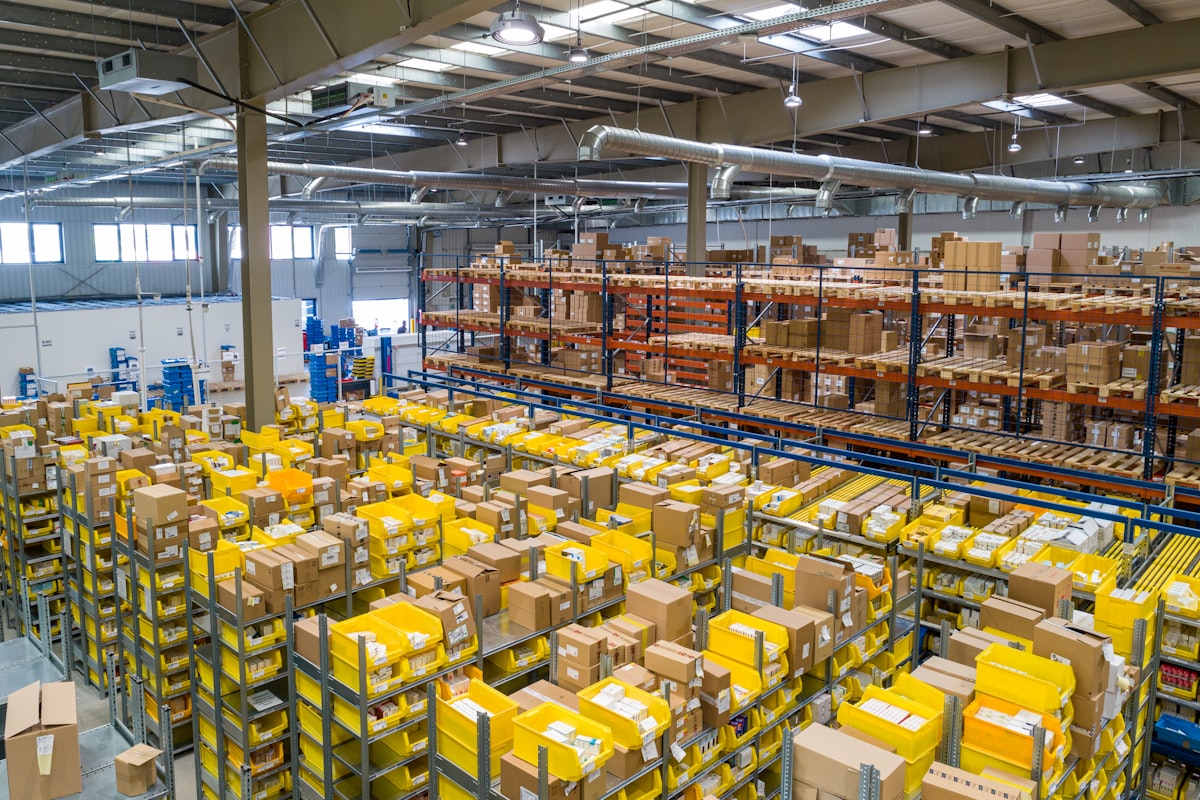
Many companies purchase packaging from multiple vendors, departments, and locations. Over time, that can lead to duplicate items, inconsistent pricing, unnecessary SKUs, and missed opportunities to buy smarter.
A packaging cross reference analysis helps clean that up. Action Packaging reviews the packaging items your business already uses and compares them against our product line, sourcing capabilities, and supplier network.
The goal is simple: help your organization reduce packaging costs, simplify purchasing, and maintain the quality your operation depends on.

What Is a Packaging Cross Reference Analysis?
A cross reference analysis is a detailed review of your current packaging items. You send us your item numbers, product descriptions, sizes, quantities, specifications, and purchasing details. From there, our team identifies matching or comparable packaging options.
This may include exact product matches, equivalent alternatives, better-value substitutions, or opportunities to standardize similar items across your business.
Review current packaging products against available alternatives.
Reduce duplicate SKUs and streamline vendor purchasing.
Find better value without moving into poor-fit packaging.
Why Businesses Use Cross Reference Analysis
Packaging needs can grow quickly. A business may start with a few standard bags, boxes, or supplies, then gradually add more items as new products, customers, locations, or departments are introduced.
- ✓Identify comparable packaging products that may offer better value
- ✓Reduce duplicate or unnecessary packaging SKUs
- ✓Standardize packaging across departments, locations, or product lines
- ✓Improve purchasing efficiency through vendor consolidation
- ✓Find opportunities for better pricing based on volume or product availability
How It Works
A clearer way to review packaging spend.
1. You Share Your Current Packaging Information
Send your item numbers, product descriptions, sizes, quantities, and specifications.
2. We Review Your Current Items
Our team reviews what you are currently purchasing and identifies possible matches or alternatives.
3. We Cross Reference Our Product Line
We compare your list against Action Packaging’s product line, supplier relationships, and sourcing capabilities.
4. You Receive Clear Recommendations
You get a better view of where savings, standardization, or vendor consolidation may be possible.
Where the Biggest Packaging Savings Often Come From
Vendor Consolidation
Working with too many vendors can create inconsistent pricing and extra administrative work. Consolidating more packaging purchases with one reliable supplier can make ordering easier.
Product Standardization
Many companies use several similar packaging items when one or two standardized options could work across more applications.
Better Product Matching
Sometimes businesses are using packaging that is overbuilt, undersized, oversized, or not ideal for the application.
What to Send Us
You do not need a perfect spreadsheet to get started. A current item list, invoice, purchasing report, or product list can be enough for our team to begin reviewing your packaging.
- ✓Current item numbers or SKUs
- ✓Product descriptions
- ✓Sizes and dimensions
- ✓Material type or specifications
- ✓Current quantities ordered
- ✓Order frequency
- ✓Current pricing, if available
- ✓Performance requirements
Ready to Review Your Packaging Spend?
Send us your current packaging item list, product descriptions, and quantities. Our team will review your items and help identify where Action Packaging may be able to provide better options.