






























Getting a customer to buy from you once is an achievement.
Getting them to come back is where real growth happens.
Most businesses focus heavily on acquisition, ads, promotions, and traffic. But the brands that grow consistently over time understand something different: the experience matters just as much as the product.
And in many cases, packaging is a major part of that experience.
If you’re a retailer, restaurant, e-commerce brand, or hospitality business, your packaging is one of the few physical touchpoints your customer has with your brand. It is seen, touched, remembered, and in some cases, reused.
Done right, it can quietly influence whether someone comes back or forgets you entirely.
Why Packaging Has More Impact Than You Think
Customers do not remember transactions. They remember experiences.
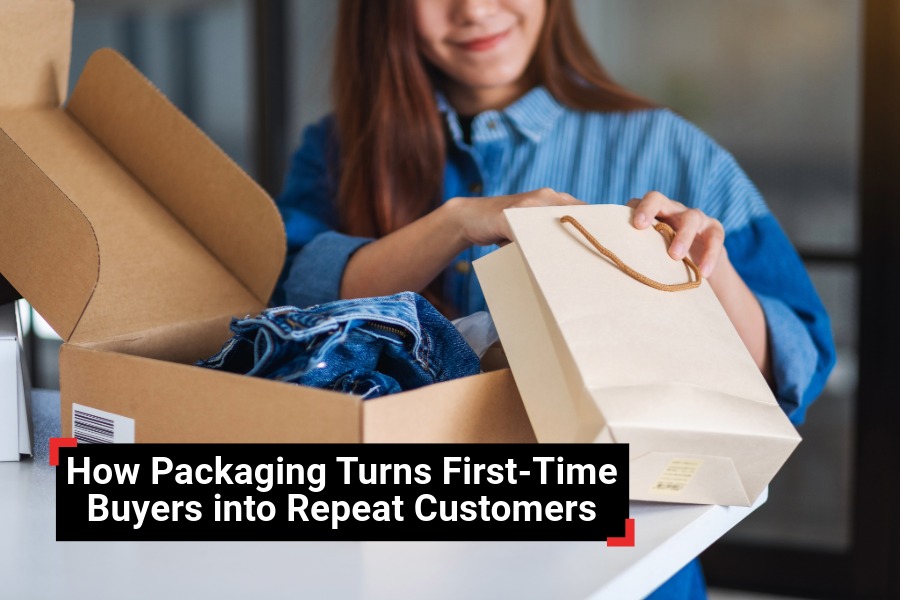
Think about the moment your customer receives their order, picks up their purchase, or opens their bag. That moment is often the final impression you leave.
Packaging plays a role in how valuable your product feels, how memorable your brand is, and whether your business feels intentional or forgettable.
If the experience feels generic, it blends in. If it feels thoughtful, it sticks. And when something sticks, customers are far more likely to return.
1. Create a Consistent Brand Experience Every Time
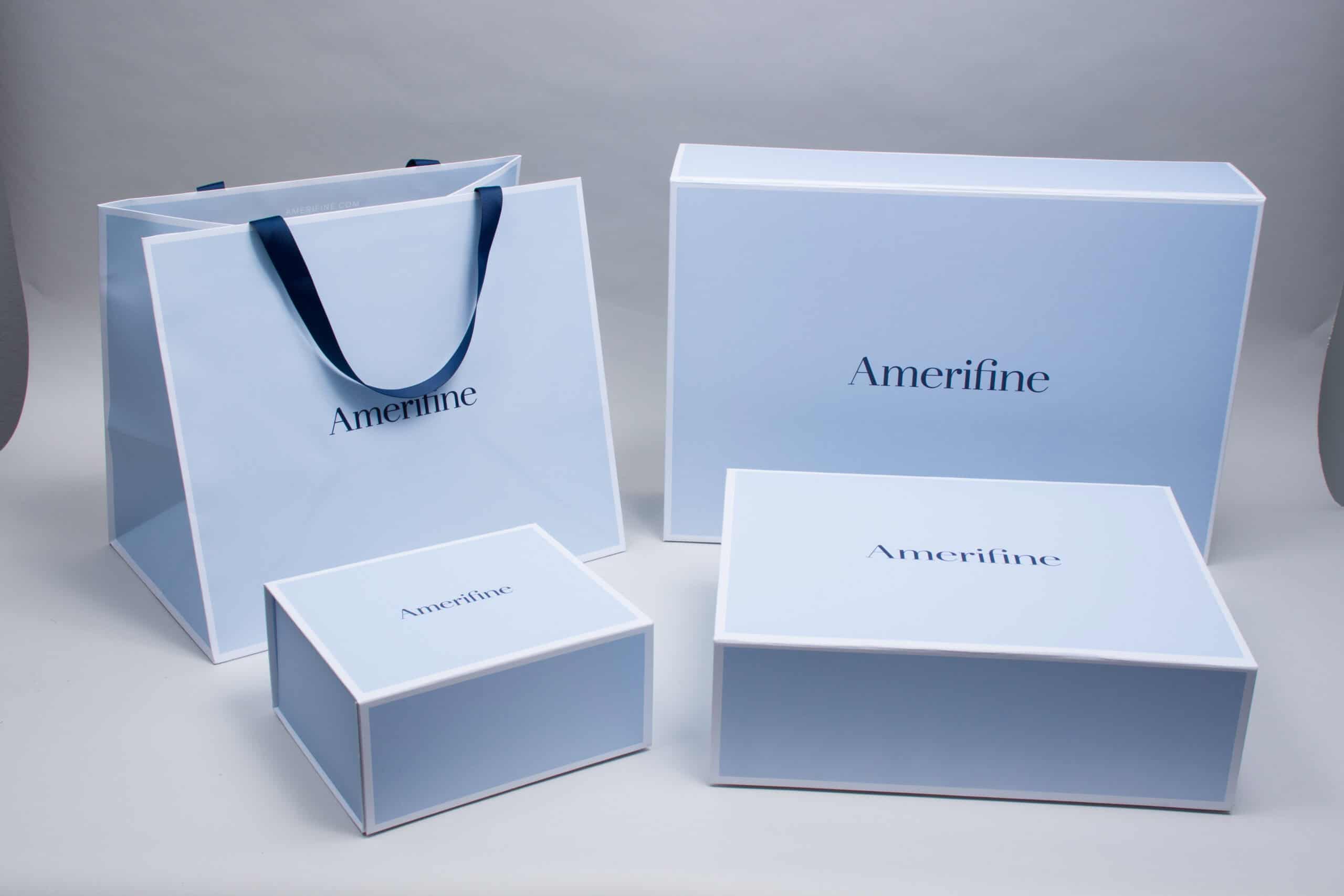
Consistency builds recognition. Recognition builds trust.
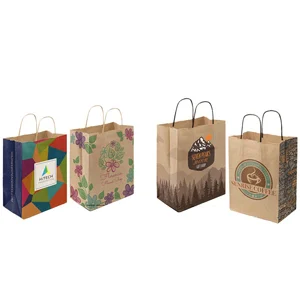
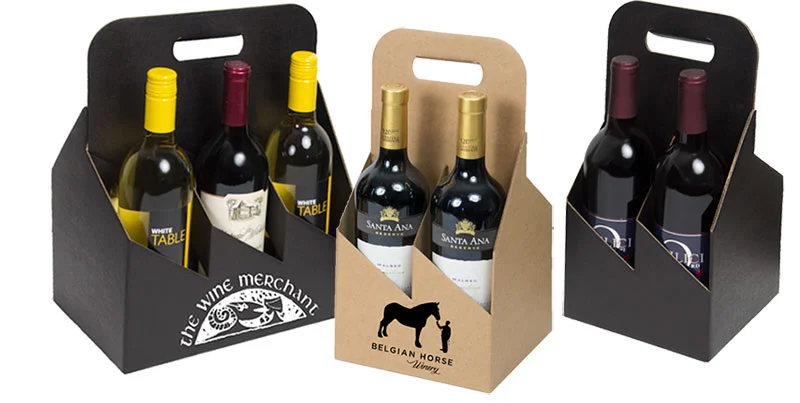
If your packaging looks and feels different every time, customers may not connect the experience back to your brand. But when your colors, materials, and presentation are consistent, it reinforces who you are.
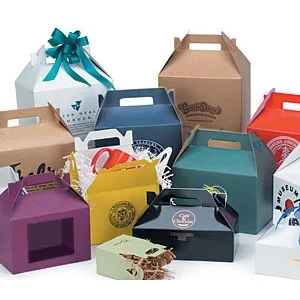
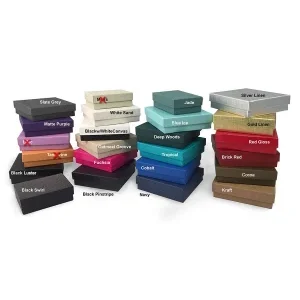
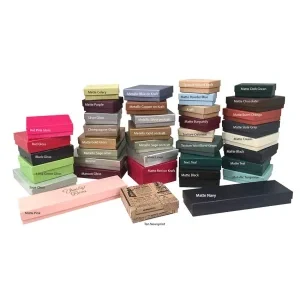
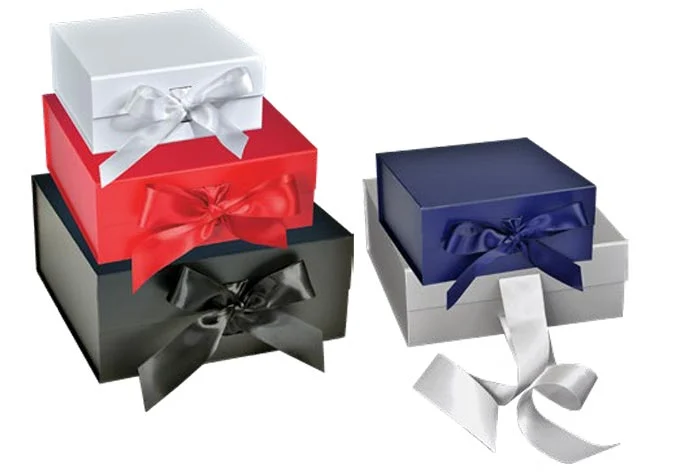
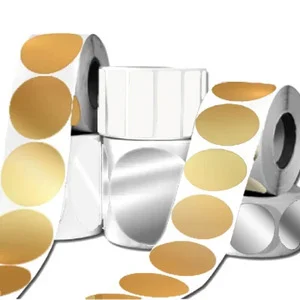
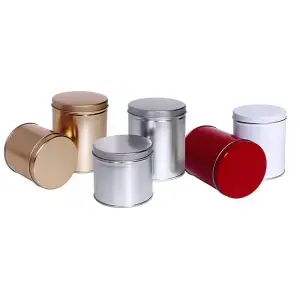
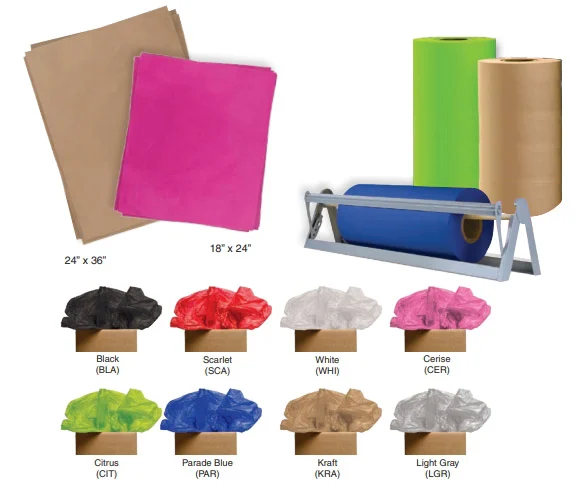
This can include using the same color palette across bags, boxes, tissue, ribbon, labels, or inserts.
Over time, this creates familiarity. And familiarity is a major driver of repeat behavior.
2. Increase Perceived Value Without Changing the Product
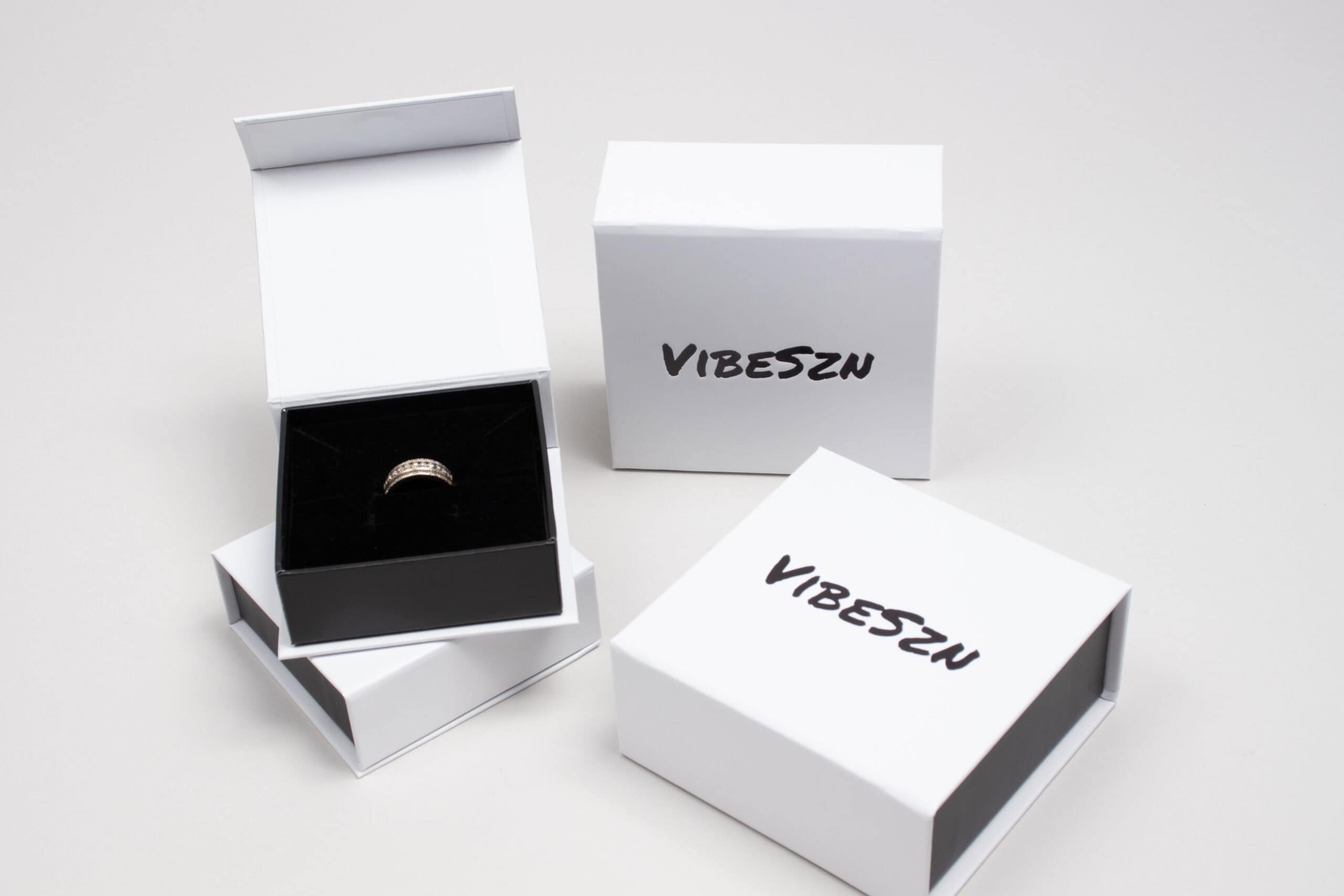
Packaging has a direct impact on how customers perceive what they just purchased.
A well-presented item feels more valuable. A poorly presented one feels disposable.
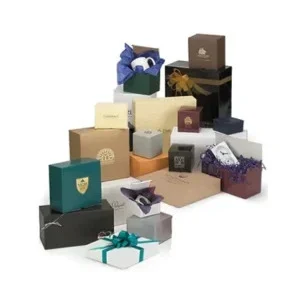
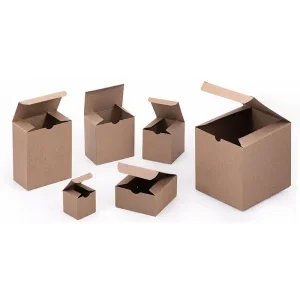
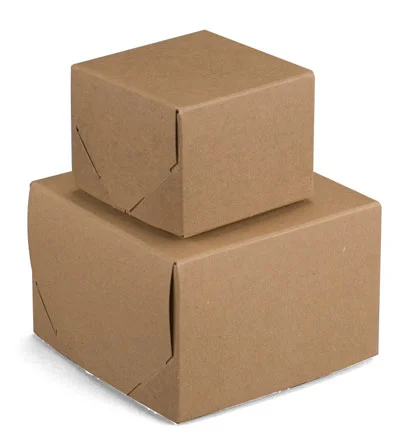
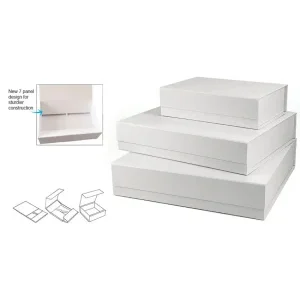
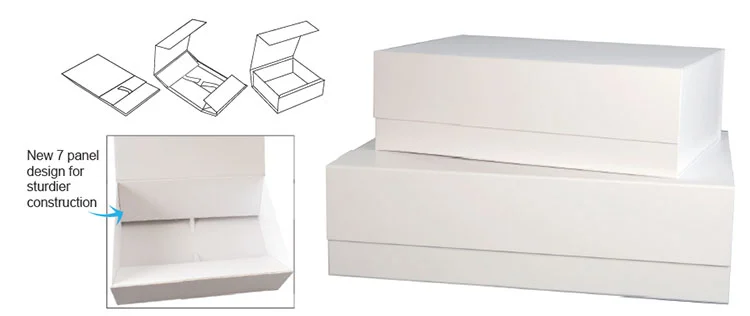
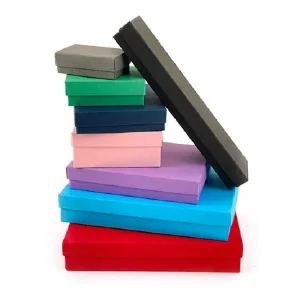
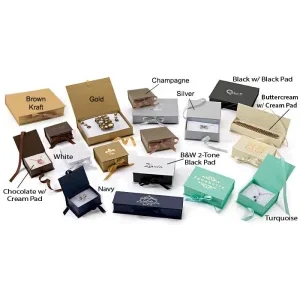
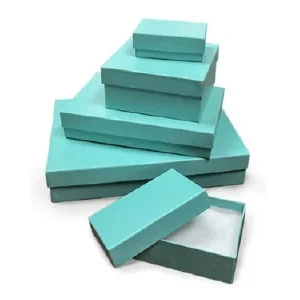
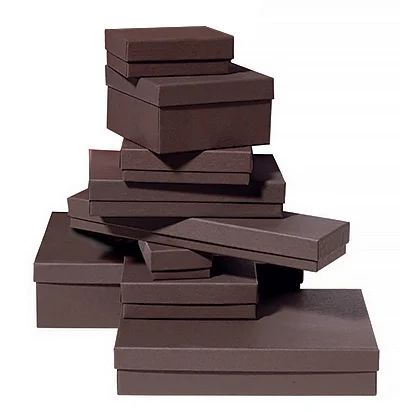
Simple upgrades like a sturdier box, cleaner structure, or better presentation can change how your product is received.
When customers feel like they received something valuable, they are more likely to come back for it again.
3. Design Packaging That Stays Visible After the Sale

One of the most overlooked opportunities in packaging is what happens after the purchase.
Reusable packaging extends your brand beyond the original transaction.
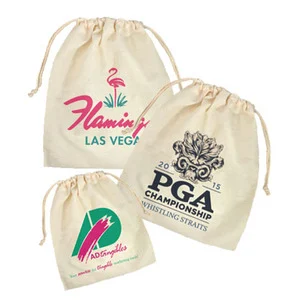
A well-designed shopping bag or sturdy box can continue creating impressions long after the first purchase.
Every additional use reinforces your brand without requiring another ad or promotion.
4. Make the Experience Easy and Enjoyable
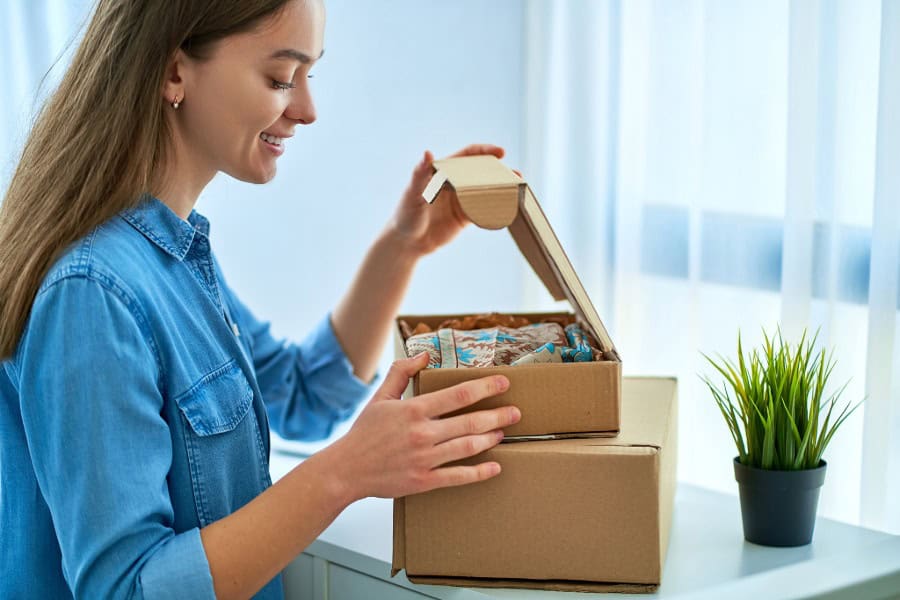
Small friction points can quietly damage the overall experience.
If packaging is difficult to open or inconvenient, it creates a negative association.
A smooth, clean, and simple experience leaves a much stronger impression.
Customers notice these details more than you might think.
5. Use Interactive Packaging to Keep Customers Engaged
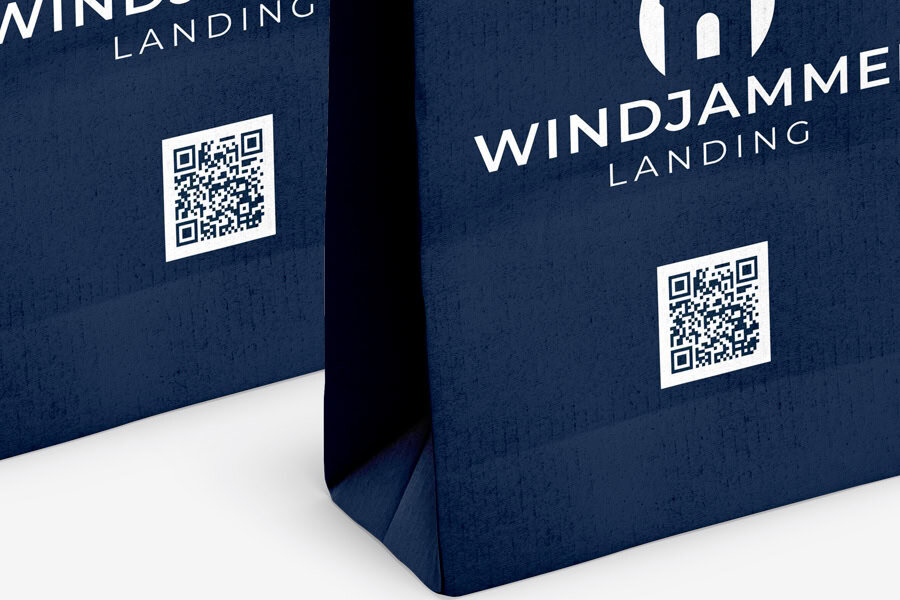
The moment after a customer receives their order or leaves your store is one of the best opportunities to stay connected.
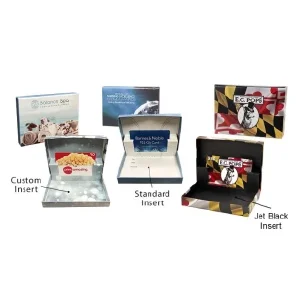
Interactive packaging like QR codes, inserts, or follow-up messaging can guide customers to take the next step.
Whether that means visiting your site, following your brand, or making another purchase, packaging can help drive that action.
One thoughtful touch is often enough to make a lasting impact.
6. Turn Packaging Into a Memory Trigger
Repeat purchases often come down to memory.
Packaging can act as that reminder through consistent branding and recognizable presentation.
When the need comes back, your brand comes to mind first.
7. Make Your Packaging Feel Like an Extension of Your Brand
The strongest brands treat packaging as part of the customer experience, not an afterthought.
Your packaging should reflect your positioning, quality, and attention to detail.
When everything feels connected, customers are more likely to trust your brand and return to it.
Ready to Improve Your Packaging Strategy?
From bags and boxes to presentation and consistency, small changes can make a meaningful difference in how customers perceive your business and whether they choose to come back.