
















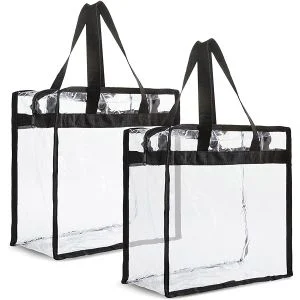

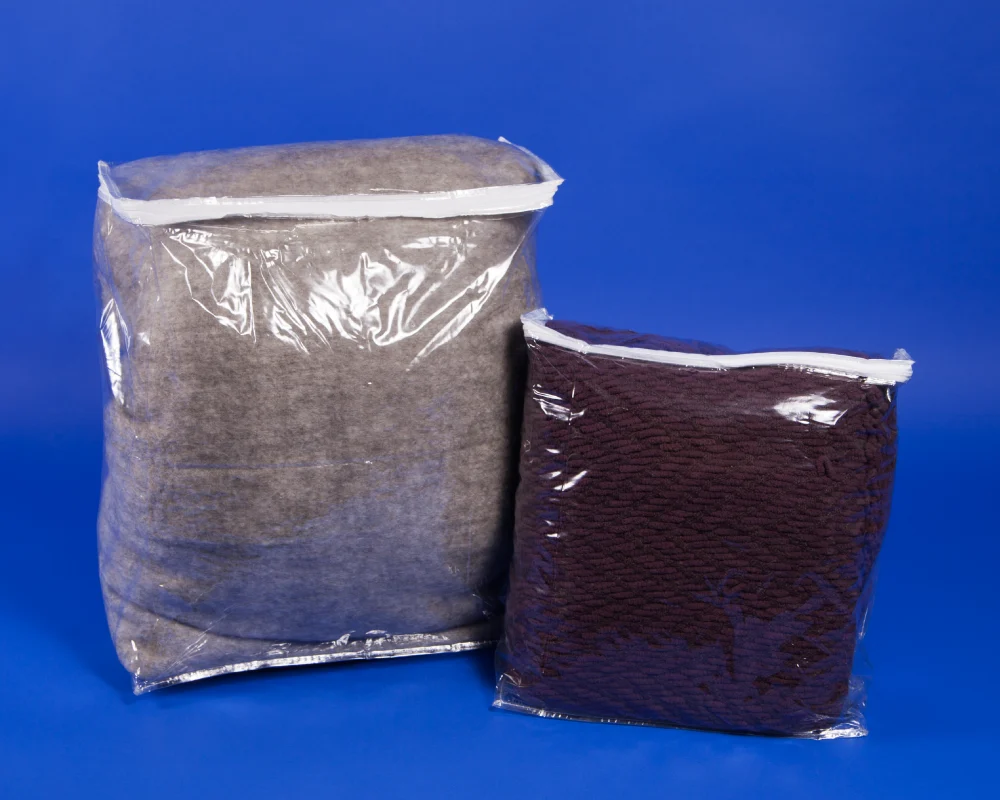
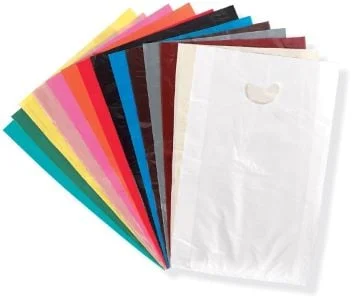

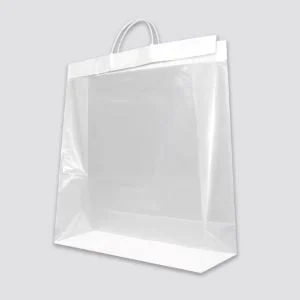
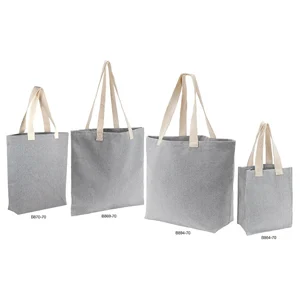
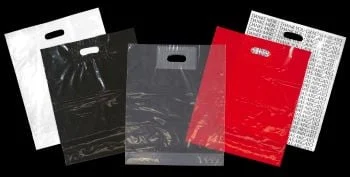
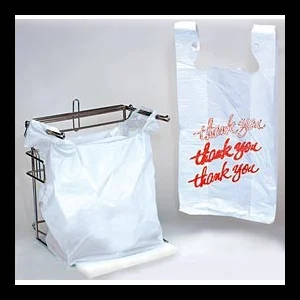
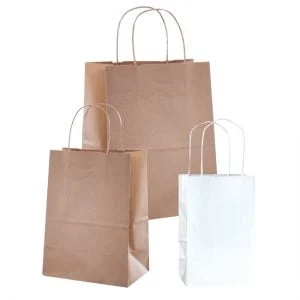
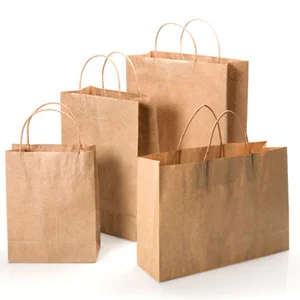
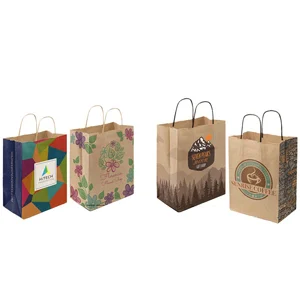
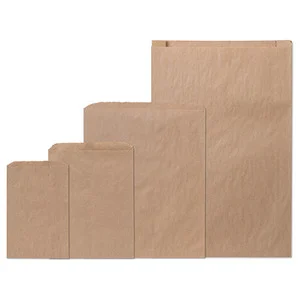
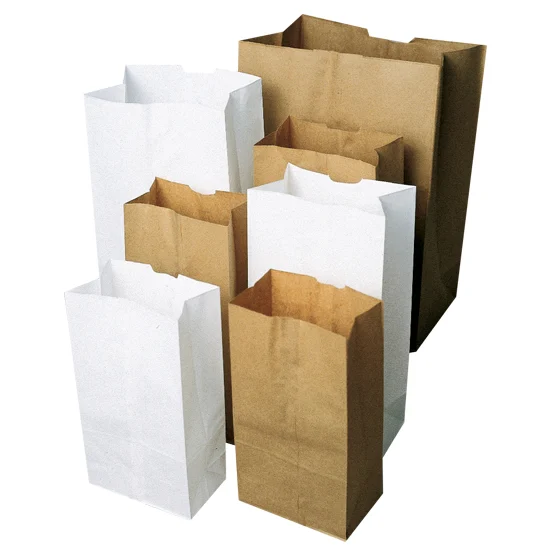
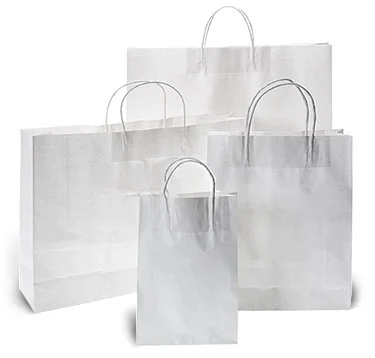










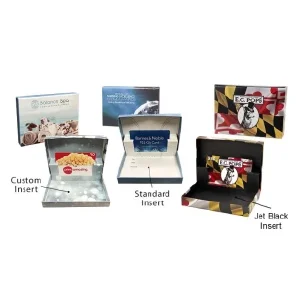
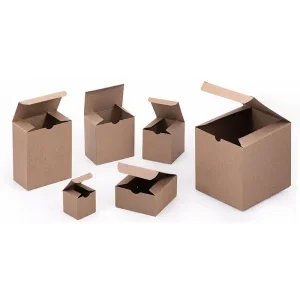
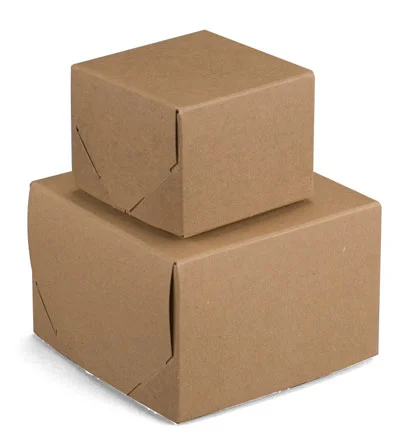
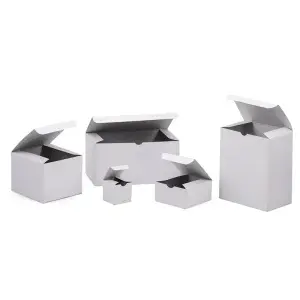















































Packaging is easy to overlook when day-to-day retail operations demand constant attention. But as stores grow, what once worked perfectly can begin to create friction across checkout, inventory, customer experience, and even brand consistency.
Many retailers wait too long to explore custom packaging because they assume it is only necessary for large national chains or luxury brands. In reality, customization often becomes valuable during periods of operational growth, not just brand evolution.
If your store is expanding, refining processes, or preparing for the next stage of scale, these signs may indicate it is time to consider a more structured packaging program.
1. Your Store Is Growing Faster Than Your Packaging Strategy
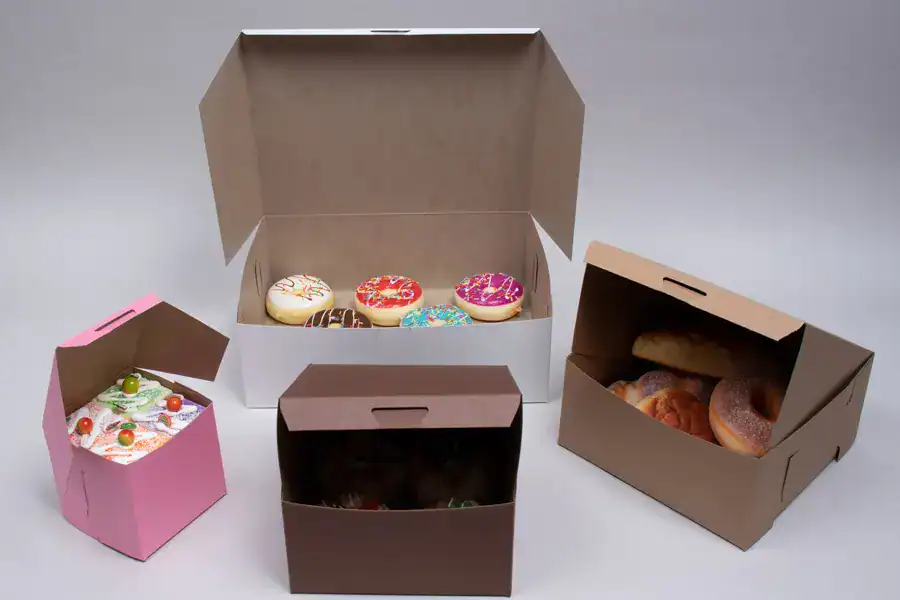
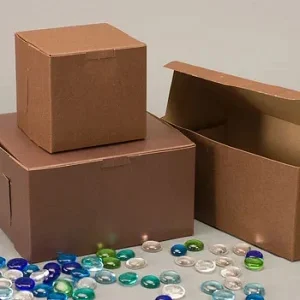
Rapid growth exposes operational gaps. Bags run out unexpectedly, box sizes vary by location, and teams start improvising with whatever is available.
Custom packaging introduces structure. Standardized sizes, reliable supply, and planned inventory help remove uncertainty so your team can focus on serving customers instead of solving packaging problems on the fly.
Growth without standardization often leads to inefficiency.
2. You Are Opening Additional Locations
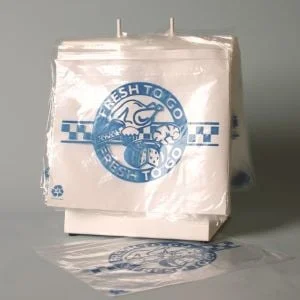
Multi-store retailers quickly discover how difficult consistency can be without centralized packaging.
When each location sources supplies independently, the result is often a mix of bag styles, materials, and sizes. That inconsistency impacts both operations and customer perception.

Custom packaging allows retailers to align materials across every store, creating a more unified experience while simplifying procurement.
Consistency becomes scalable instead of accidental.
3. Checkout Is Slower Than It Should Be
Packaging plays a larger role in transaction speed than many retailers realize.
Bags that are difficult to open, poorly sized for merchandise, or structurally weak force employees to double-bag items or repack purchases. Over time, those extra seconds accumulate into longer lines and frustrated customers.
The right custom packaging program focuses on usability as much as appearance, helping teams move customers through checkout with greater efficiency.
4. Your Current Packaging Fails Under Real-World Conditions
Handles tear. Bottoms give out. Boxes collapse.
When packaging fails, the customer remembers. So does your staff.
Upgrading to custom solutions allows retailers to select materials engineered for their actual product mix, purchase volume, and handling conditions. The result is fewer incidents, fewer re-bags, and greater confidence at the register.
Reliability is operational value.
5. Stores Look Different From One Another
Retailers work hard to standardize merchandising, signage, and store layouts. Packaging should support that same level of alignment.
If one location uses kraft bags, another uses plastic, and a third uses leftover inventory from a previous supplier, the experience begins to fragment.

Custom packaging helps establish visual and operational continuity across every customer touchpoint.
For growing retailers, consistency signals professionalism and stability.
6. You Are Ordering Packaging More Frequently Than You Should
Reactive purchasing often indicates that packaging has not been strategically planned.
Frequent rush orders can increase costs, create supply risk, and place unnecessary strain on operations teams.
A structured custom program typically includes forecasting support and planned production runs, helping retailers maintain dependable inventory levels while reducing emergency purchasing.
Predictability is a competitive advantage.
7. Your Business Has Outgrown Generic Packaging
Stock packaging serves an important purpose, especially for newer or smaller operations. But as retailers mature, generic materials can begin to feel disconnected from the in-store experience they have worked hard to build.
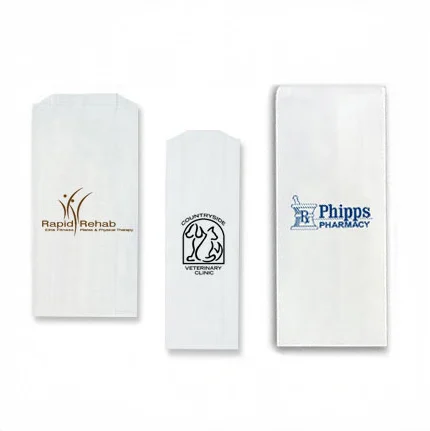
Custom packaging does not need to be elaborate to be effective. Even simple adjustments such as standardized sizing, consistent materials, or printed identifiers can elevate both operational clarity and customer perception.
Often, the shift is less about appearance and more about alignment with the business you have become.
8. Returns and Exchanges Are Becoming Harder to Manage
As transaction volume rises, so does the complexity of returns.
Custom packaging can support smoother reverse logistics through features like printed return instructions, order identifiers, or structured box formats that simplify repacking.
Small improvements in packaging can remove friction for both employees and customers, making the return process faster and more predictable.
Efficiency should extend beyond the initial sale.
9. Employees Spend Too Much Time Solving Packaging Problems
When associates regularly search for the right box, rebuild damaged cartons, or debate which bag to use, productivity quietly declines.
Packaging should support employees, not slow them down.
A well-designed custom program reduces decision fatigue by giving teams clear, dependable materials suited to your products and workflows.
Less guesswork leads to faster service.
10. You Are Planning for the Next Stage of Growth
Sometimes the clearest signal is forward-looking.
If your retail organization is preparing to expand locations, increase inventory, support higher transaction volume, or refine operational standards, packaging deserves a seat at the planning table.

Retailers that treat packaging as infrastructure rather than an afterthought are often better positioned to scale smoothly.
Waiting until problems appear usually costs more than preparing early.
Custom Packaging Is Not Just for Large Retailers
One of the most common misconceptions is that customization only makes sense at massive scale.
In reality, many retailers benefit from custom programs earlier than expected, particularly when consistency, reliability, and operational clarity become priorities.
The goal is not complexity. It is alignment.
Packaging should support how your stores operate today while preparing you for where the business is headed next.
Choosing the Right Packaging Partner Matters
Moving toward custom packaging is not simply about adding a logo or changing materials. It is about building a supply strategy that supports your stores long term.
The right partner helps you think through:
- standardization across locations
- inventory planning
- material performance
- efficient sizing
- dependable replenishment
Action Packaging works with retailers to develop practical custom packaging programs designed to support growth, improve operational flow, and create consistency across the organization.
If your retail business is evolving and your packaging has not kept pace, it may be time to explore what a structured approach could look like.
Contact Action Packaging to discuss your needs and identify solutions built for the realities of modern retail operations.

Packaging Cost Management
Packaging costs are often treated as a fixed expense, but many businesses have opportunities to reduce costs through better purchasing strategies, supplier consolidation, product standardization, and inventory planning.
Many organizations focus on labor, freight, utilities, and raw materials when looking for savings opportunities, while packaging purchases remain largely unchanged year after year.
Over time, this can create unnecessary costs, duplicate products, fragmented purchasing practices, and operational inefficiencies. The good news is that packaging costs can often be reduced without disrupting your operation or lowering product quality.
The key is to look beyond the unit price and review how packaging is specified, purchased, stored, shipped, and used across your business.

1. Standardize Packaging Across Departments
One of the easiest ways packaging costs get out of control is through inconsistent ordering. Different departments, locations, or buyers may order similar packaging items from different vendors without realizing there is overlap.
Standardization helps reduce unnecessary variation. Instead of maintaining several similar bags, boxes, mailers, labels, or supplies, your business may be able to use fewer packaging items across more applications.
Fewer SKUs
Reduce the number of similar packaging items being managed, reordered, and stored.
Cleaner Inventory
Make it easier for purchasing, warehouse, and operations teams to know what to order.
Stronger Buying Power
Concentrate volume into fewer products to create better purchasing opportunities.
2. Consolidate Vendors Where It Makes Sense
Working with too many packaging vendors can create hidden costs. Every additional supplier may mean more purchase orders, more invoices, more communication, more freight coordination, and less visibility into total packaging spend.
Vendor consolidation can simplify purchasing and improve efficiency, especially when your business is buying similar products from several different sources.
Vendor consolidation should improve service, visibility, and efficiency. The goal is not simply to use fewer suppliers, but to work with better-aligned suppliers.

3. Review Packaging Specifications Regularly
Packaging specifications can become outdated. A product that made sense years ago may no longer be the best fit today, especially if product dimensions, order volume, shipping methods, storage requirements, or customer expectations have changed.
In some cases, businesses are using packaging that is heavier, larger, stronger, or more complex than the application requires. In other cases, they may be using packaging that creates damage, handling issues, or inefficiency.
- ✓ Bags that are heavier than necessary
- ✓ Boxes that are larger than the product requires
- ✓ Supplies that are being used for the wrong application
- ✓ Legacy items that have not been reviewed in years
- ✓ Multiple similar products that could be standardized
How Action Packaging Helps
A practical process for identifying savings opportunities.
1. Review Current Packaging
We look at the items your business is already purchasing and how those products are being used.
2. Analyze Product Usage
We review sizes, quantities, order patterns, applications, and possible overlap between items.
3. Identify Consolidation Opportunities
We help identify where similar products, vendors, or purchasing habits may be creating unnecessary complexity.
4. Recommend Practical Alternatives
We suggest options that are designed to reduce costs while protecting performance and operational needs.
4. Improve Inventory Planning
Poor packaging inventory planning can create avoidable costs. Running out of packaging may lead to rush orders, emergency freight, production delays, or last-minute substitutions. Overstocking can create storage issues and tie up cash in packaging that may not be used quickly.
Better planning helps balance availability with efficiency. This is especially important for businesses with seasonal demand, multiple facilities, large-volume usage, or products that require consistent packaging.
5. Take Advantage of Volume Opportunities
Packaging pricing is often influenced by order quantities, production runs, freight efficiency, and supplier planning. When your business has predictable usage, there may be opportunities to improve pricing through better forecasting.
This does not always mean taking on more inventory at once. In some cases, annual usage planning, blanket orders, scheduled releases, or coordinated purchasing can help create better outcomes.
6. Evaluate Distribution and Freight Strategies
Freight can significantly affect the true cost of packaging. A lower unit price does not always create savings if the shipping costs, lead times, minimum orders, or receiving requirements create problems elsewhere.
Reviewing how packaging moves through your supply chain can uncover opportunities for consolidated shipments, improved planning, better delivery timing, or more efficient sourcing.
7. Partner With a Supplier That Understands Your Business
The lowest unit price is not always the lowest total cost. Packaging impacts purchasing, warehousing, production, shipping, customer experience, and product protection. A good packaging partner should help you think through the full picture.
Action Packaging works with businesses to review current packaging programs, identify practical savings opportunities, and support long-term purchasing efficiency.
- ✓Vendor standardization
- ✓Packaging product reviews
- ✓Product matching
- ✓Volume opportunities
- ✓Inventory planning
- ✓Distribution support
- ✓Practical product alternatives
- ✓Long-term purchasing support
Ready to Identify Packaging Cost Savings?
Whether you are managing packaging for a manufacturing facility, distribution operation, food processor, retailer, or agricultural business, our team can help evaluate your current packaging program and identify opportunities to reduce costs.
Packaging Cost Savings
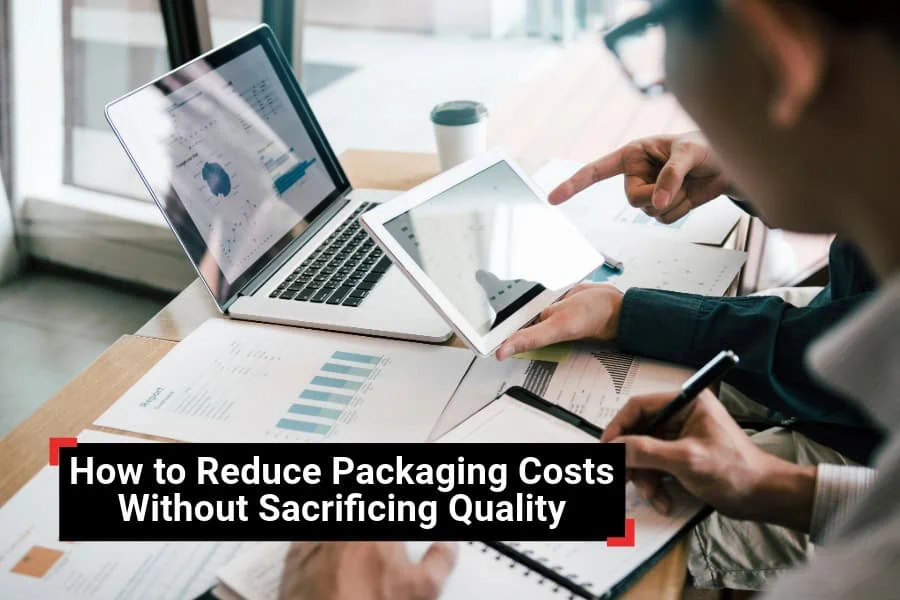
Packaging costs can grow quietly over time. A cross reference analysis helps your business review what you are buying, identify comparable packaging options, simplify purchasing, and uncover potential savings without lowering quality.
Many companies purchase packaging from multiple vendors, departments, and locations. Over time, that can lead to duplicate items, inconsistent pricing, unnecessary SKUs, and missed opportunities to buy smarter.
A packaging cross reference analysis helps clean that up. Action Packaging reviews the packaging items your business already uses and compares them against our product line, sourcing capabilities, and supplier network.
The goal is simple: help your organization reduce packaging costs, simplify purchasing, and maintain the quality your operation depends on.

What Is a Packaging Cross Reference Analysis?
A cross reference analysis is a detailed review of your current packaging items. You send us your item numbers, product descriptions, sizes, quantities, specifications, and purchasing details. From there, our team identifies matching or comparable packaging options.
This may include exact product matches, equivalent alternatives, better-value substitutions, or opportunities to standardize similar items across your business.
Review current packaging products against available alternatives.
Reduce duplicate SKUs and streamline vendor purchasing.
Find better value without moving into poor-fit packaging.
Why Businesses Use Cross Reference Analysis
Packaging needs can grow quickly. A business may start with a few standard bags, boxes, or supplies, then gradually add more items as new products, customers, locations, or departments are introduced.
- ✓Identify comparable packaging products that may offer better value
- ✓Reduce duplicate or unnecessary packaging SKUs
- ✓Standardize packaging across departments, locations, or product lines
- ✓Improve purchasing efficiency through vendor consolidation
- ✓Find opportunities for better pricing based on volume or product availability
How It Works
A clearer way to review packaging spend.
1. You Share Your Current Packaging Information
Send your item numbers, product descriptions, sizes, quantities, and specifications.
2. We Review Your Current Items
Our team reviews what you are currently purchasing and identifies possible matches or alternatives.
3. We Cross Reference Our Product Line
We compare your list against Action Packaging’s product line, supplier relationships, and sourcing capabilities.
4. You Receive Clear Recommendations
You get a better view of where savings, standardization, or vendor consolidation may be possible.
Where the Biggest Packaging Savings Often Come From
Vendor Consolidation
Working with too many vendors can create inconsistent pricing and extra administrative work. Consolidating more packaging purchases with one reliable supplier can make ordering easier.
Product Standardization
Many companies use several similar packaging items when one or two standardized options could work across more applications.
Better Product Matching
Sometimes businesses are using packaging that is overbuilt, undersized, oversized, or not ideal for the application.
What to Send Us
You do not need a perfect spreadsheet to get started. A current item list, invoice, purchasing report, or product list can be enough for our team to begin reviewing your packaging.
- ✓Current item numbers or SKUs
- ✓Product descriptions
- ✓Sizes and dimensions
- ✓Material type or specifications
- ✓Current quantities ordered
- ✓Order frequency
- ✓Current pricing, if available
- ✓Performance requirements
Ready to Review Your Packaging Spend?
Send us your current packaging item list, product descriptions, and quantities. Our team will review your items and help identify where Action Packaging may be able to provide better options.