Restaurant Operations & Custom Packaging
During the dinner rush, takeout packaging is not waiting quietly in the background. It is being opened, filled, closed, labeled, stacked, bagged, checked, and handed to a customer or driver. When the packaging fits the operation, it supports the handoff. When it does not, small problems can spread across the line.
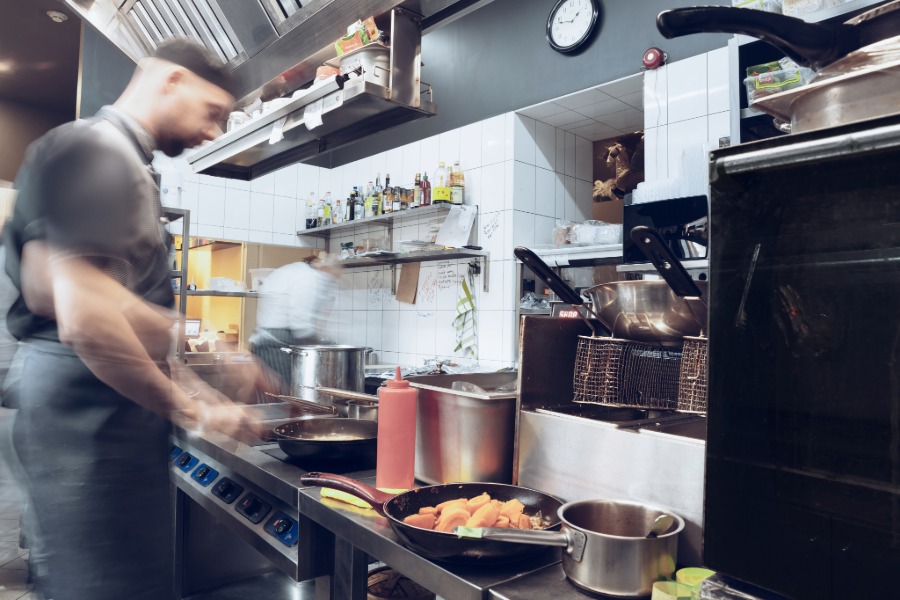
A smoother handoff starts before the food reaches the counter
Custom takeout packaging can support a restaurant’s workflow when its boxes, bags, wraps, and other components are selected around the actual menu, packing process, transportation method, and customer experience. The goal is not simply to print a logo. It is to build a packaging system that staff can use consistently when every minute matters.
The First Wave of Orders Arrives
A family orders dinner online. A customer walks to the counter. A delivery driver checks in. Two more tickets print before the first order is packed.
The kitchen knows this rhythm. Food is prepared in a sequence, team members move between stations, and finished items begin to collect near the handoff area. Every order must be matched, contained, identified, and transferred to the right person.
At a slower time of day, an awkward box or missing bag may be a minor inconvenience. During the dinner rush, that same inconvenience is repeated across dozens of orders. Employees stop to search for the correct size. A container needs to be repacked. A bag is too narrow for the boxes. An order label covers the restaurant logo or a closure point.
None of those moments appears dramatic by itself. Together, they create friction exactly where the operation is trying to move fastest.
The Food Is Ready, but the Package Is Not
The entrée reaches the packing station at the right temperature and with the intended presentation. Now the team has to find the correct container, assemble it if necessary, place the food, add sides and condiments, close the package, label the order, and prepare it to travel.
This is where takeout packaging becomes part of the workflow rather than a purchasing detail. The package has to support the food, but it also has to work for the people using it repeatedly.
Small Packaging Problems Begin to Spread
One oversized box may not matter. But if every order uses more space than necessary, the staging area fills quickly and fewer orders fit inside each carryout bag. One confusing container size may not matter. But if employees regularly reach for the wrong package, packing becomes less consistent.
The pressure can appear in several places:
At the packing station
Too many similar options, awkward assembly, unreliable closures, or poor portion fit can add decisions and extra handling.
In the staging area
Boxes that stack poorly or bags that do not match the order can make completed meals harder to organize.
At the handoff
An order that is difficult to identify, carry, or check can create confusion for employees, customers, and delivery drivers.
The answer is not always more packaging. Often, it is a clearer system: packaging formats with defined roles, sizes matched to common orders, and a plan for how each component moves through the restaurant.
The Box Is Only One Part of the Handoff
A complete takeout order may depend on several packaging components working together.
The primary container holds the meal. A wrap or liner may separate or present an individual item. A bag brings multiple containers, utensils, napkins, and condiments together. Labels or printed elements help identify the restaurant and may support order organization.
This is why it can be useful to think beyond an individual box and consider a broader custom restaurant packaging program. Each piece has a different job, but the pieces should fit the same workflow and customer experience.
Boxes and containers
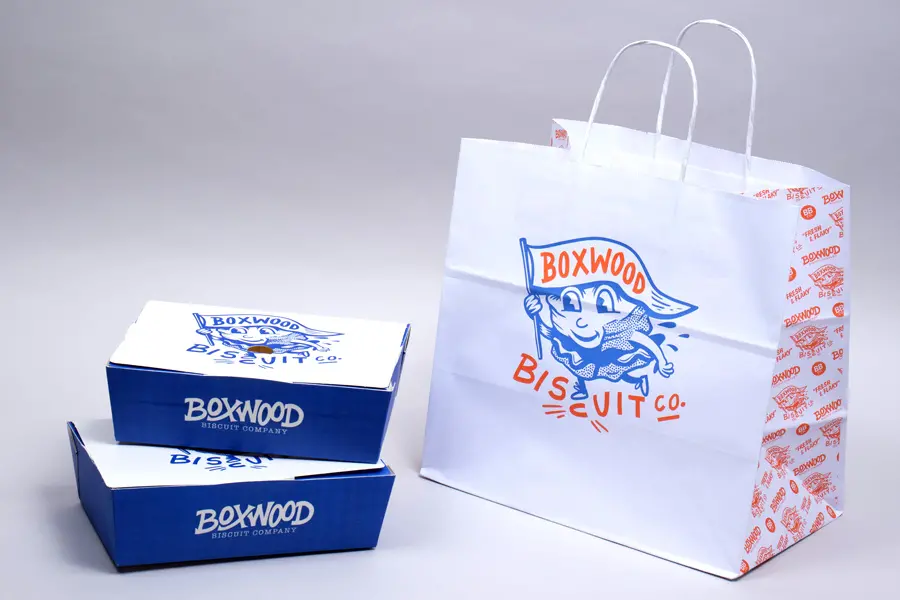
Custom takeout boxes provide the primary structure for entrées, shared meals, baked goods, and other menu items.
Paper takeout bags
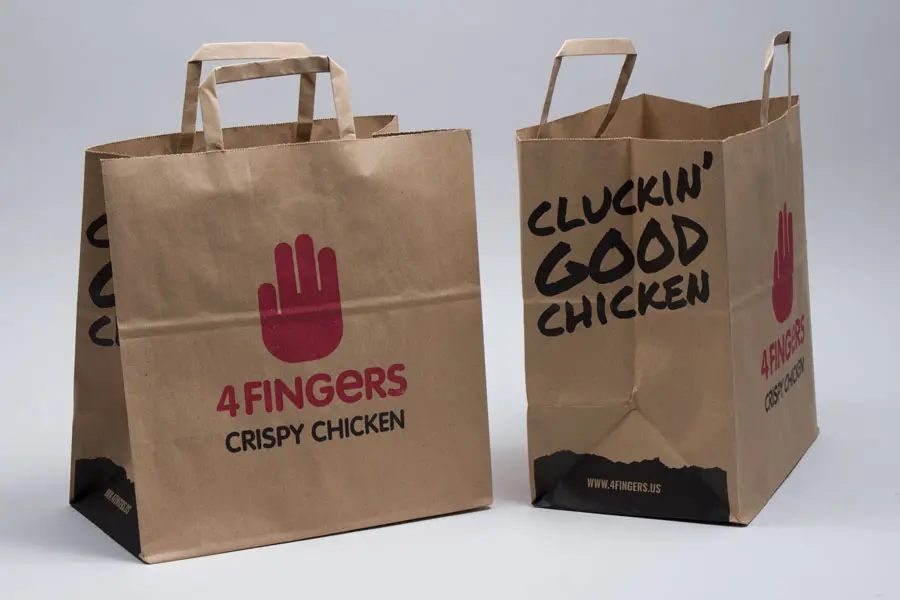
Custom paper takeout bags can gather containers into one customer-ready order while carrying the restaurant’s branding.
Plastic takeout bags
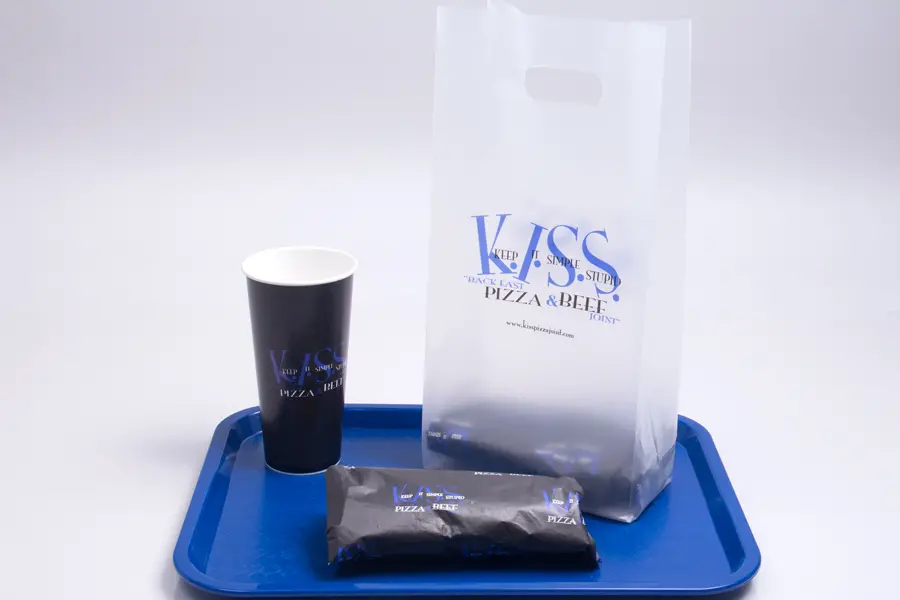
Custom plastic takeout bags are available in different sizes, styles, colors, handle formats, and print approaches.
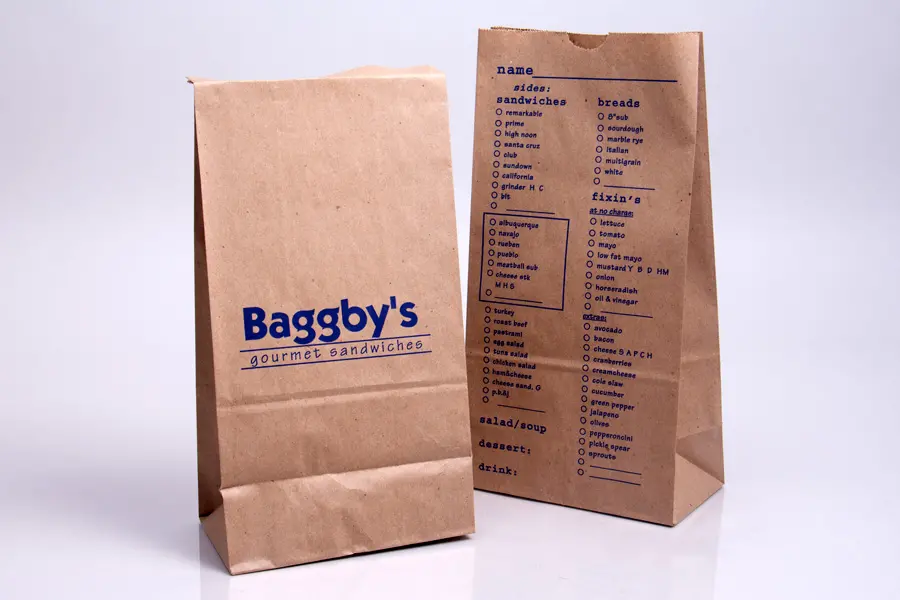
Paper SOS bags
Custom paper SOS and grocery bags offer a self-opening sack format for takeout, counter service, and other foodservice uses.
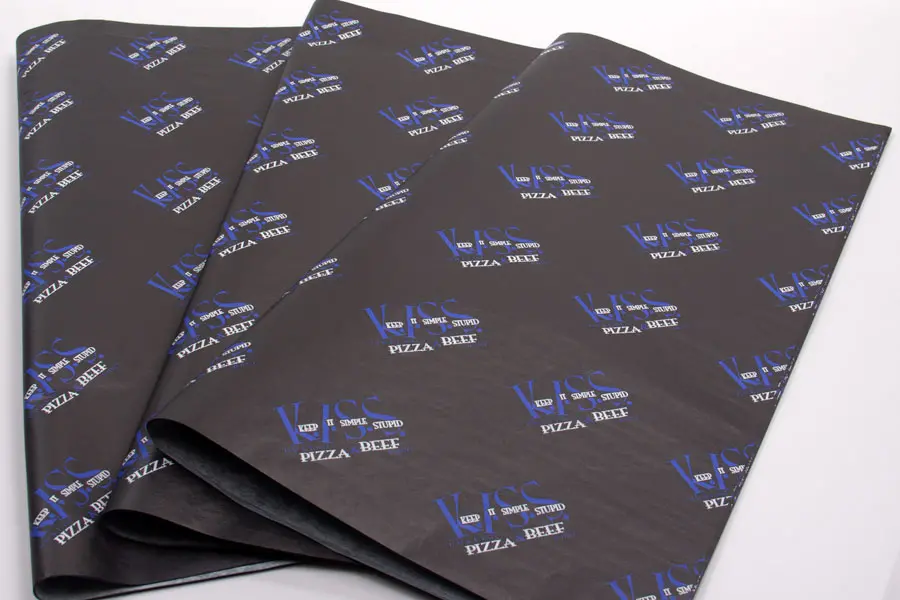
Food wraps and tray liners
Custom food wraps and tray liners can support presentation and branding for sandwiches, baskets, trays, bakery items, and other foodservice applications.
Each Component Needs a Clear Job
A coordinated packaging system does not mean customizing every possible item or forcing one package to handle every meal. It means understanding the role of each component and reducing avoidable complexity.
The container supports the food
Begin with portion dimensions, food weight, shape, temperature, moisture, sauces, toppings, closure needs, and desired presentation. Test promising containers with the actual menu items and expected travel conditions.
The bag supports the complete order
Consider how many containers are usually packed together, how they stack, whether they should remain upright, which handle style fits the handoff, and how employees load the bag during busy service.
Wraps and liners support individual items
Use the appropriate material and format for the intended food-contact application. The wrap or liner should fit the item, packing method, presentation, and handling needs.
Printing supports recognition
Place branding where it remains visible after the package is filled, folded, labeled, stacked, or carried. A clear design can connect multiple packaging formats without making the workflow more complicated.
Practical starting point: Observe one busy service from the perspective of the packaging. Note where employees pause, change containers, repackage food, search for supplies, rearrange orders, or struggle to fit boxes into bags. Those moments reveal useful questions for the next packaging conversation.
The Order Reaches the Final Handoff
The meal is packed. The containers are closed. The order has been checked and staged. Now it leaves through the counter, curbside pickup area, delivery shelf, or drive-through window.
For the restaurant team, this moment completes a chain of operational decisions. For the customer, it may be the first physical interaction with the restaurant. The package should be manageable to carry, easy to associate with the correct order, and consistent with the experience the business wants to provide.
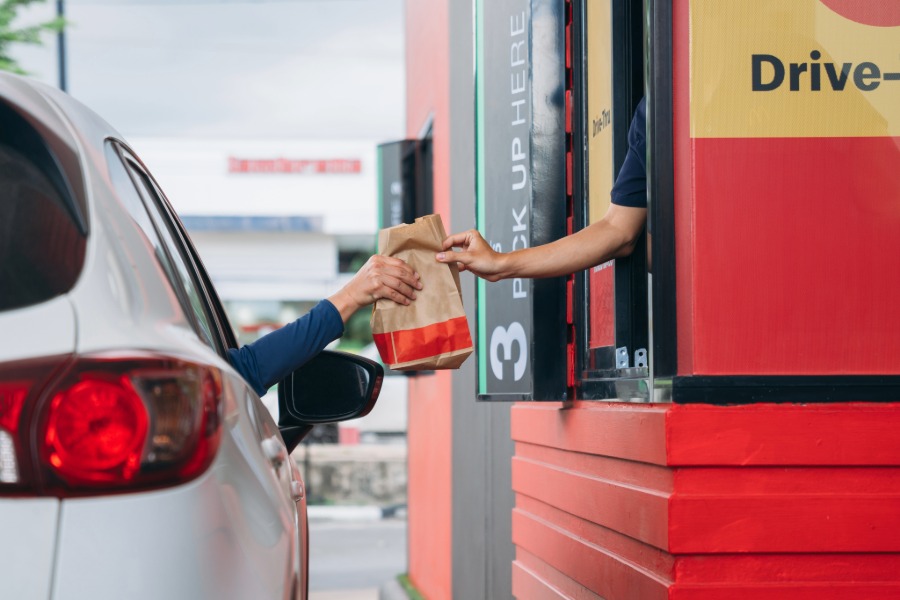
Branding matters here, but it works best when the packaging has already done its operational job. A recognizable bag cannot correct a poorly matched container. A printed box cannot simplify service if employees cannot close or stage it consistently. Function creates the foundation, and custom printing carries the restaurant’s identity through the final interaction.
The Best Time to Improve the Rush Is Before the Next One
After service, the team knows where the friction appeared. Perhaps one menu item needs a better-fitting box. Perhaps the restaurant is carrying too many nearly identical container sizes. Perhaps full orders do not fit the current bag, or the logo disappears beneath a delivery label.
Those observations are valuable when planning custom packaging. A productive supplier conversation should include more than artwork. It should cover the menu, common order combinations, current packaging, portion dimensions, packing process, storage limits, pickup and delivery methods, estimated quantities, branding goals, and desired timing.
Action Packaging can help restaurants compare sizes, materials, styles, print approaches, and finishing options across custom restaurant and foodservice packaging. The objective is to develop packaging that makes sense for the food, the people packing it, the way it travels, and the customer receiving it.
The next Friday night will still bring a full ticket rail, waiting drivers, ringing phones, and customers watching the counter. But when each packaging component has a clear role, the team can spend less attention working around the package and more attention completing the order.
Frequently Asked Questions About Custom Takeout Packaging
What is included in custom takeout packaging?
Custom takeout packaging can include printed boxes and containers, paper or plastic carryout bags, paper SOS bags, food wraps, tray liners, labels, napkins, cups, and other foodservice items. The appropriate combination depends on the menu, service model, customer experience, and project requirements.
How can packaging support a smoother restaurant handoff?
Packaging can support the handoff when it is easy for employees to identify, prepare, fill, close, label, stack, stage, and transfer. Appropriate sizes and compatible boxes, bags, and secondary components can reduce unnecessary decisions and repacking during service.
Should every piece of restaurant packaging be custom printed?
Not necessarily. Restaurants can prioritize the items customers see most often or the formats used across the greatest number of orders. A coordinated program may combine custom-printed items with suitable stock packaging based on quantities, budget, storage, timing, and operational needs.
How should a restaurant test a new takeout package?
Test samples with actual menu items and realistic portions. Evaluate filling, closing, labeling, stacking, bag fit, staging, carrying, opening, and presentation under expected pickup or delivery conditions. Confirm the material and structure are appropriate for the intended food-contact application.
What information should I provide for a custom packaging quote?
Share the food or products being packaged, current packaging, preferred sizes and styles, artwork, print expectations, estimated quantity, recurring usage, delivery locations, storage considerations, desired timing, and any known performance or food-contact requirements. The packaging specialist may request additional information.
Can Action Packaging help coordinate several restaurant packaging items?
Action Packaging offers custom restaurant packaging across boxes, paper and plastic bags, SOS bags, food wraps, tray liners, and other categories. The team can help businesses compare options and plan a packaging direction around their products, operations, customers, artwork, quantities, and timing.