Restaurant Branding Beyond the Dining Room
A restaurant can carefully shape every detail of the dining experience, but a takeout customer encounters the brand differently. Once the meal leaves the building, the package becomes the dining room, the presentation, and one of the most visible reminders of where the food came from.
The restaurant experience does not have to end at the door
When a meal is served inside a restaurant, the surroundings help tell the story. When that same meal is ordered for pickup or delivery, most of those surroundings disappear. Custom takeout boxes give the restaurant a way to carry its identity, presentation, and sense of care into the place where the meal is actually eaten.
Think About Everything That Makes a Restaurant Feel Like Itself
A restaurant’s identity is built through hundreds of small choices that customers may not consciously separate.
The sign above the door, the colors on the menu, the way the dining room is arranged, the presentation of the food, and the tone of the service all work together. A neighborhood pizzeria feels different from a bakery. A sushi restaurant feels different from a barbecue counter. Those differences are not accidental. They help customers understand what kind of experience the restaurant intends to provide.
Inside the restaurant, the business controls most of that environment. The plate is selected for the food. The lighting and furniture support the atmosphere. Team members can answer questions, correct a mistake, and make the handoff feel personal.
Then a customer places a takeout order.
The kitchen prepares the same food with the same care, but the experience is about to leave the space the restaurant designed for it.
What Disappears When the Order Walks Out the Door?
Picture the customer carrying dinner to the car, driving home, setting the order on the kitchen counter, and calling the family to the table. By the time the first box is opened, the restaurant’s sign, interior, music, plating, and service are no longer present.
What remains is the food, the order handoff, and the packaging surrounding it.
That makes takeout packaging more than a temporary container. It becomes one of the few physical parts of the restaurant experience that travels all the way home. The customer sees it during pickup. Other people may see it during the trip. The family sees it on the table. If leftovers remain, the package may still be visible later.
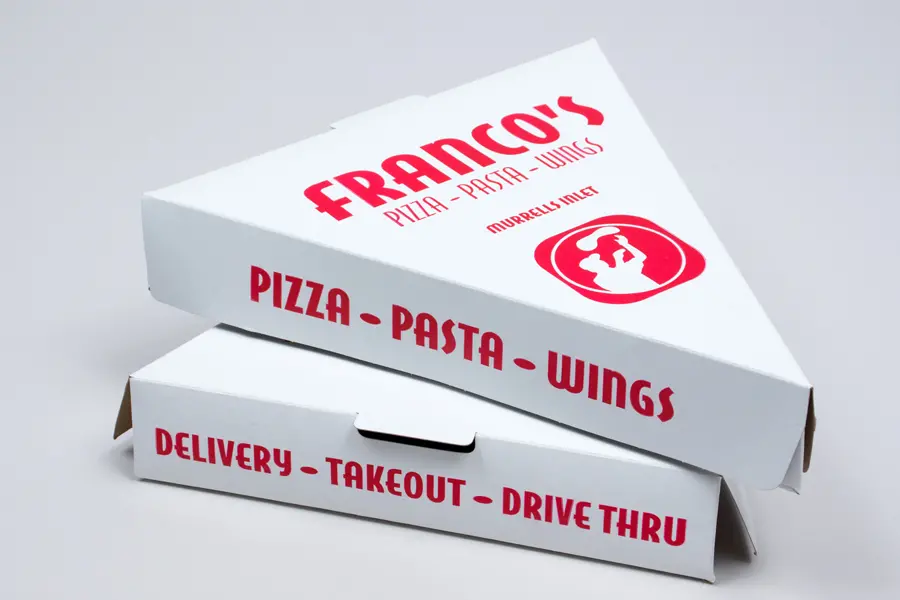
The package becomes the traveling storefront
A custom box cannot recreate the dining room, and it should not try to. Its role is to preserve a clear connection between the meal and the business that prepared it.
That connection can begin with something as simple as a well-placed name or logo. Color, typography, messaging, and box style can then reinforce the personality customers already associate with the restaurant.
The Problem Is Not That a Plain Box Cannot Hold Food
The problem is that a generic package can separate a memorable meal from the restaurant behind it.
A plain container may perform its basic job perfectly well. It can hold a portion, close securely, and help move an order from the counter to the customer’s destination. For many restaurants, especially those testing a menu or operating at a smaller volume, stock takeout boxes are a practical solution.
But as a restaurant grows, the package may need to do more. If the customer opens several unmarked containers, the experience can feel less intentional than the food inside. If multiple restaurants use similar generic packaging, the container does little to help the customer remember which business created the meal.
This is the branding gap: the restaurant has developed a recognizable identity, but the identity stops before the order reaches the customer’s table.
The meal is recognizable
The customer may know the signature dish immediately, but the packaging provides little connection to the restaurant.
The restaurant is less visible
Once the receipt or delivery label is removed, the restaurant name may disappear from the experience.
The presentation feels incomplete
A carefully developed brand can feel unfinished when its most traveled packaging looks unrelated to everything else.
When the Box Becomes Part of the Meal
At home, the package is no longer backstage. It sits in the middle of the experience.
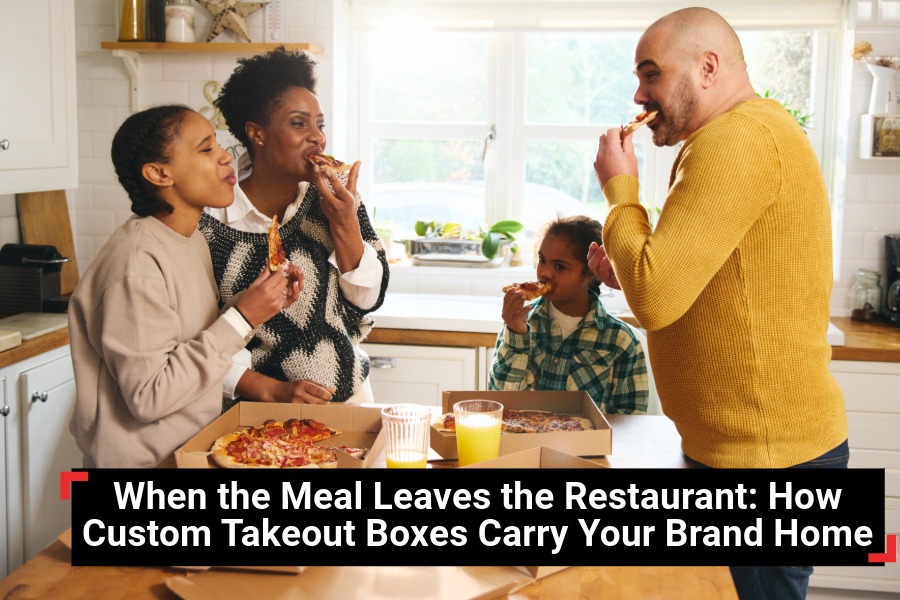
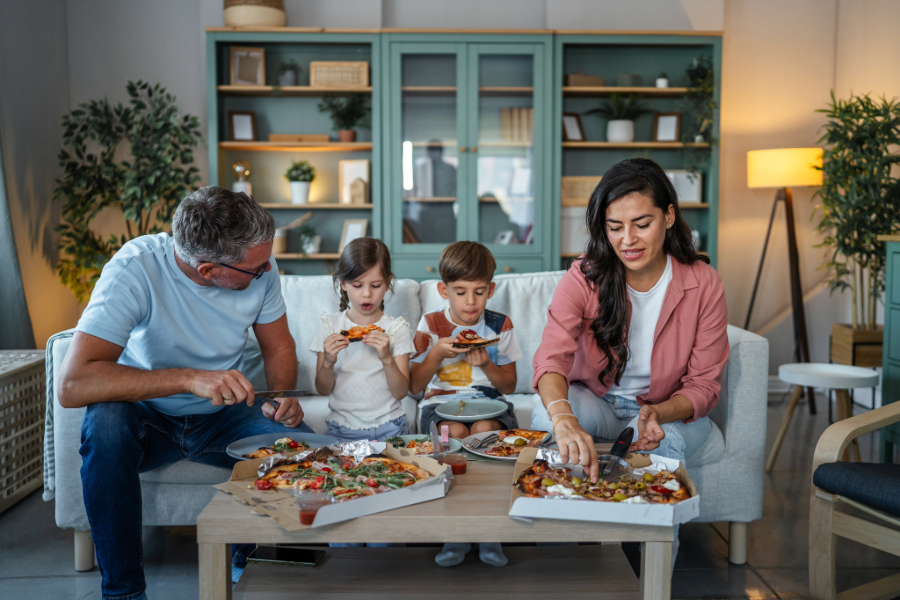
A child may open the pizza box. A parent may divide entrées around the table. Friends may eat directly from individual containers during a game. Coworkers may line up several lunches in a conference room. In each scene, the box helps shape how the food is presented and how the restaurant is remembered.
Custom takeout boxes and containers allow the outside of the package to communicate with the same intention as the food inside. The goal is not to cover every available surface with advertising. The goal is to make the package feel like it belongs to the restaurant.
The customer recognizes the source
The restaurant name, logo, colors, or visual style makes it clear who prepared the meal before the box is opened.
The presentation feels intentional
The packaging supports the care and personality associated with the restaurant instead of feeling like an unrelated final step.
The brand enters a new setting
The restaurant becomes visible in a home, office, vehicle, hotel, park, or event space where its dining room could never go.
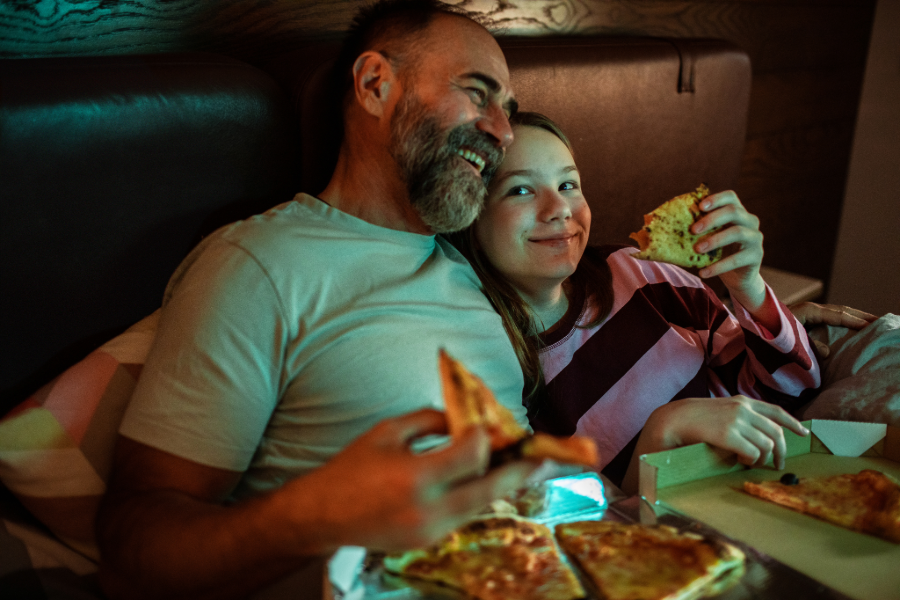
Branding Only Works When the Package Works
A beautiful box is not the right box if it does not fit the food or the way the order travels.
The strongest takeout packaging starts with the meal. A box needs to be considered in relation to the portion, shape, temperature, moisture, sauces, toppings, and presentation of the food it will hold. It also needs to work within the restaurant’s packing process, storage space, pickup area, and delivery environment.
This is where the story becomes practical. Custom printing can make the package recognizable, but the container itself still has to be selected for its intended use. A pizza box, paperboard clamshell, folding takeout carton, bakery box, and sushi container solve different packaging problems. Even two meals from the same restaurant may need different formats.
Start with the food
Consider portion dimensions, weight, sauces, temperature, moisture, ventilation, and how the food should look when the customer opens the package.
Follow the journey
Think about packing, closing, stacking, carrying, pickup, delivery distance, and the way the customer will open or serve the meal.
Then apply the brand
Use the available print area, colors, artwork, finish, and messaging to create a package that feels connected to the restaurant.
Function and branding are not competing goals. The container should support the food first, while the design makes the restaurant recognizable. A packaging partner can help bring those two requirements together.
One Restaurant Can Tell the Same Story Through Different Boxes
Consistency does not require every package to have the same shape. It means the different pieces feel related.
A restaurant may use a large box for family meals, a smaller carton for side dishes, and a separate container for desserts. A bakery may need windowed boxes in several sizes. A café may package sandwiches, pastries, and catered lunches differently. The structural packaging can change while the visual identity remains familiar.
Repeating a logo, color palette, design style, or short message can help connect those formats. This is especially useful for restaurants with varied menus, multiple locations, catering programs, or a mix of pickup and delivery orders.
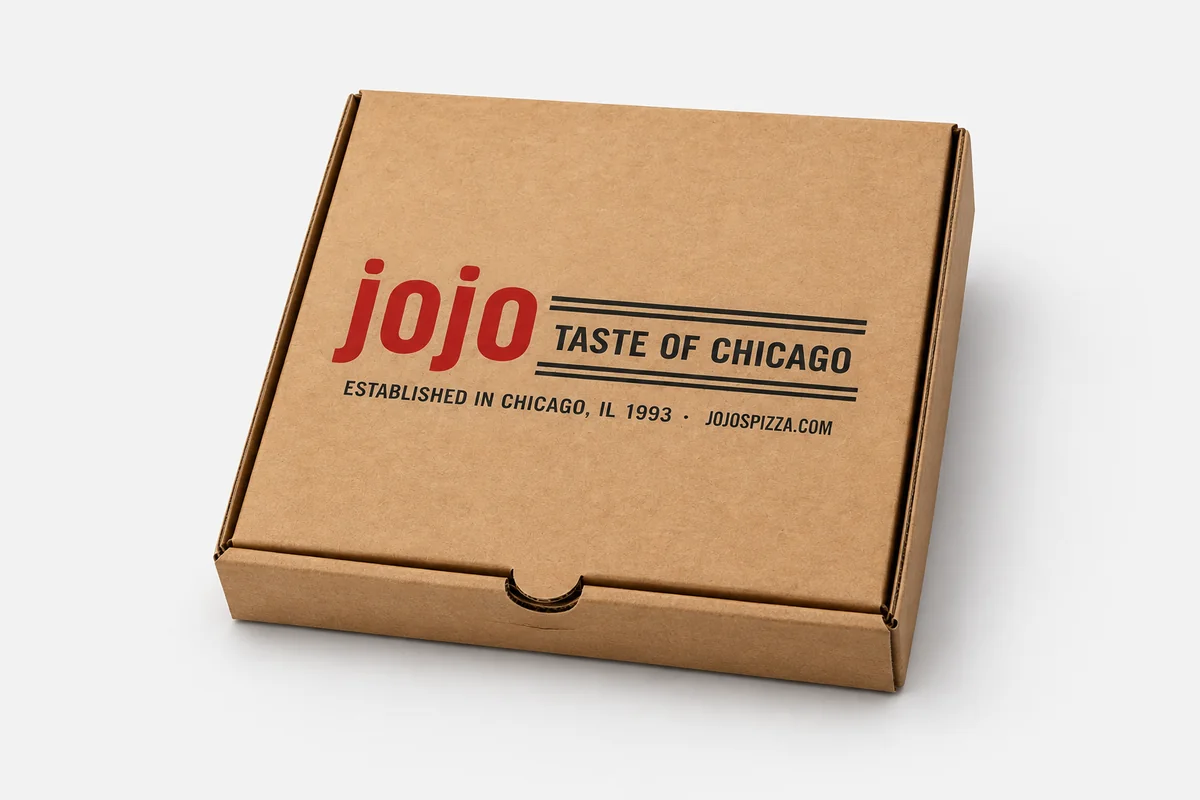
Pizza and shared meals
A large branded surface can make the package immediately recognizable as it moves from the restaurant to the table.
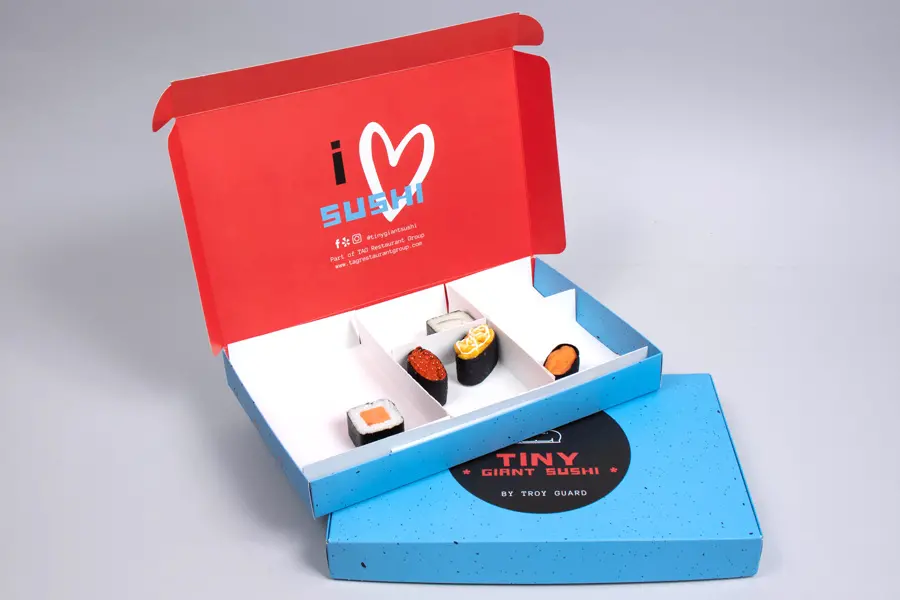
Presentation-focused meals
Coordinated packaging can support a polished presentation while keeping the restaurant identity visible.
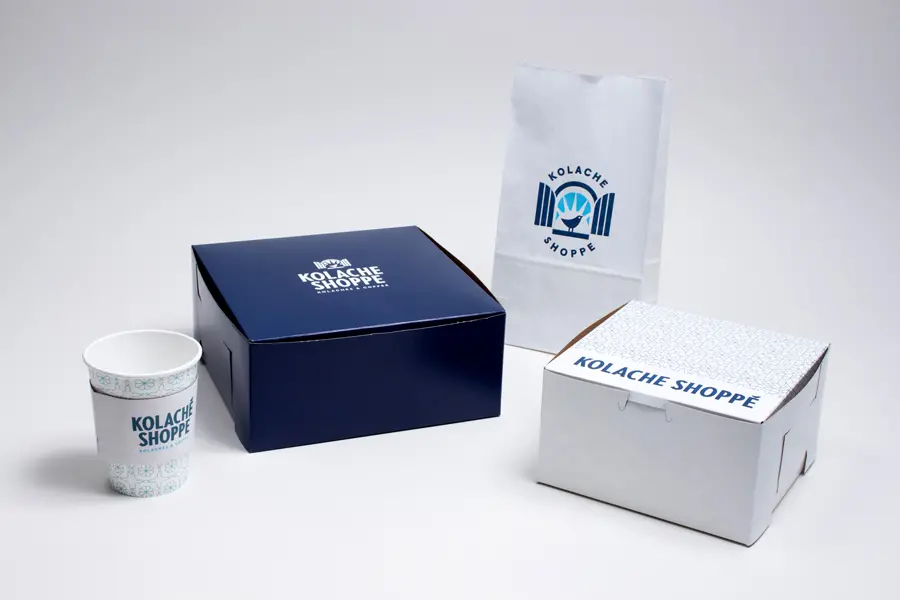
Bakery and café orders
The box can turn a routine pickup into a package that feels prepared for the occasion and connected to the business.
The same principle can extend beyond boxes. Restaurants that want a coordinated program may also consider the broader mix of custom restaurant packaging, including bags, cups, napkins, and other customer-facing items. The objective is not to customize everything at once. It is to identify the packaging customers see most often and build outward from there.
The Right Packaging Partner Helps Translate the Restaurant Into a Box
A restaurant owner should not need to become a packaging engineer or printing expert to create a more intentional takeout experience. But the restaurant does need to explain what it serves, how orders are packed, where the food travels, what customers should feel, and what the brand should look like when it arrives.
From there, the packaging conversation can become more specific. The appropriate box style, dimensions, material, print approach, finish, artwork placement, quantities, and timing all influence the final result. Not every option is right for every menu or budget, which is why guidance matters.
Action Packaging helps businesses compare packaging options and work through those decisions. For a custom takeout-box project, the team can help evaluate the size, material, style, printing, and finishing choices that support the restaurant’s food, operations, and brand goals.
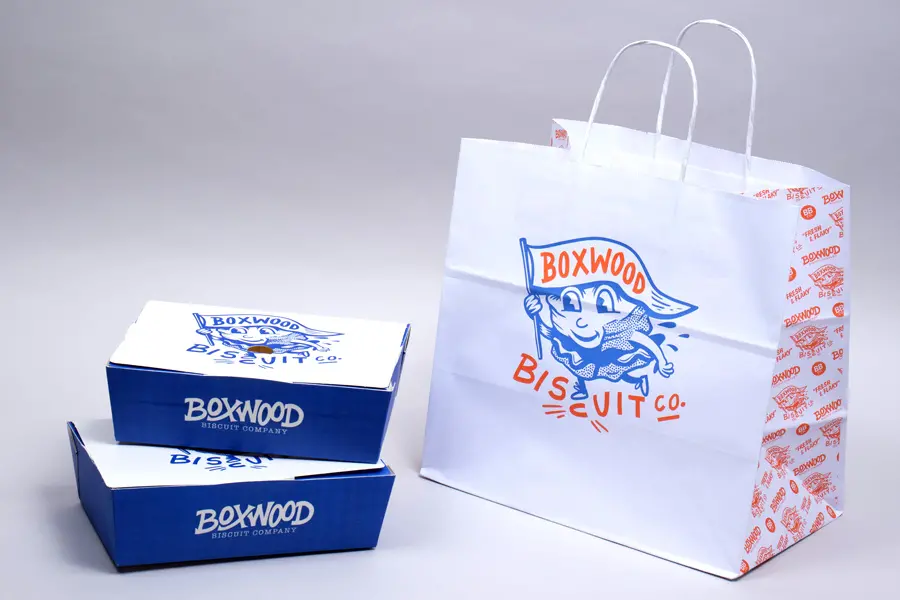
Begin with the experience you want to deliver
Bring the menu, current packaging, artwork, anticipated quantity, desired timing, and examples of how customers receive the order. If some details are unknown, that is part of the conversation.
A packaging specialist can help turn the restaurant’s goals into a clearer packaging direction and explain which decisions need to be made before production.
The final scene is simple: the order reaches the table, the family opens the box, and the restaurant is still present. Not through the dining room or the server, but through a package that looks and feels like it belongs to the meal.
That is how a takeout box carries a brand home.
Frequently Asked Questions About Custom Takeout Boxes
What are custom takeout boxes?
Custom takeout boxes are foodservice containers produced or printed with business-specific artwork, colors, messaging, or other design elements. Available structures, materials, print methods, finishes, quantities, and production requirements depend on the project.
Are custom takeout boxes only for large restaurant chains?
No. Independent restaurants, cafés, bakeries, food trucks, caterers, and multi-location businesses can all explore custom packaging. The practical fit depends on the box specifications, required order quantity, budget, storage space, forecast, and production timeline.
Can the same design be used on every takeout box style?
A consistent visual identity can be adapted across multiple package formats, but artwork usually needs to be fitted to the specific box dimensions, panels, folds, closures, print area, and production method. Review a project-specific template or proof before approving production.
What should a restaurant consider before choosing a custom box?
Start with the food and the customer journey. Consider portion size, product weight, temperature, moisture, sauces, desired presentation, packing process, closure, stacking, pickup or delivery conditions, storage space, artwork, estimated quantity, and timing. A packaging specialist may ask for additional details based on the application.
Does custom printing make any container suitable for takeout food?
No. Printing and branding do not replace the need to select a container and material appropriate for the intended food, temperature, handling, transportation, and food-contact use. Confirm the complete application with the packaging supplier before ordering.
How can Action Packaging help with a custom takeout-box project?
Action Packaging can help restaurants and foodservice businesses explore box styles, sizes, materials, printing, and finishing options. Share information about the food, current package, artwork, quantity, timing, and project goals so the team can help guide the next steps.