
Hospitality and Food Service
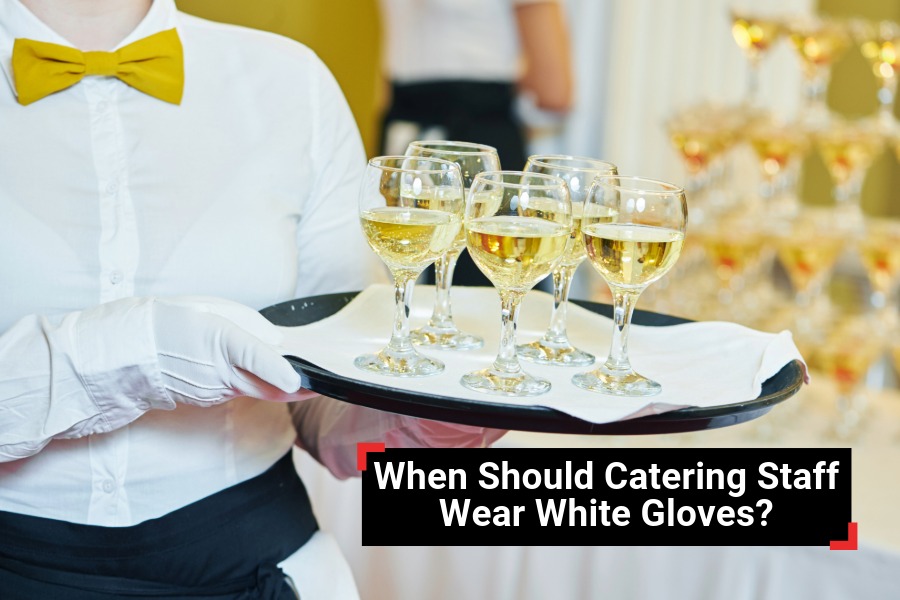
White gloves can give catering staff a polished, coordinated appearance, but their value depends on when and how they are used.
For some events, white catering gloves reinforce a formal atmosphere and help staff handle polished serviceware without leaving fingerprints. For other tasks, they may be unnecessary or poorly suited to the work being performed. They should also never be treated as a universal replacement for proper handwashing, food-safe utensils, or task-appropriate disposable gloves.
The most effective approach is to treat white gloves as part of an intentional service standard. That means identifying the tasks for which they are appropriate, selecting the right glove style, and giving employees clear instructions about when to change or remove them.
1. During Formal Plated Service
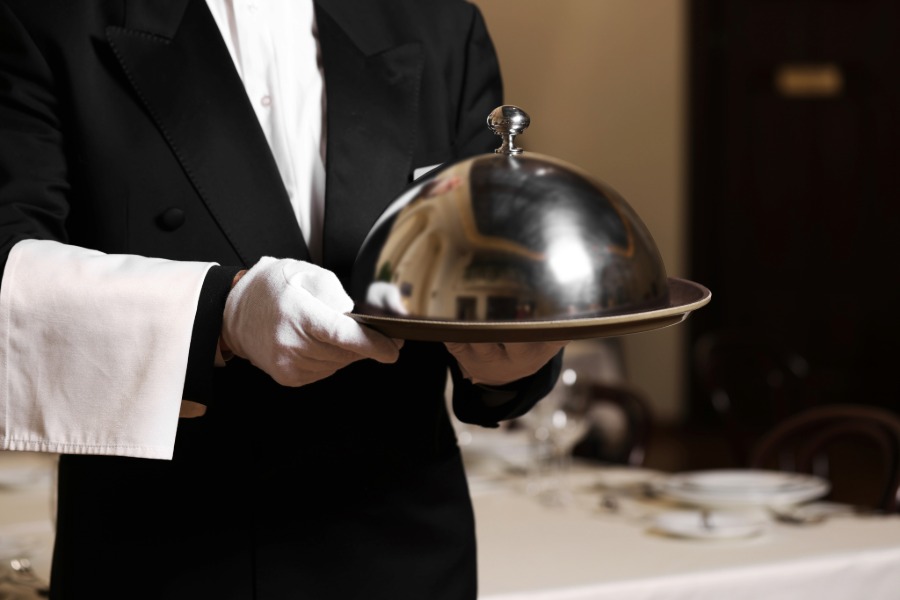
Plated service is one of the most recognizable uses for white catering gloves. Servers carry completed plates from the service area to seated guests, often working in coordinated teams and following a precise sequence.
In this environment, white gloves may help support:
- A consistent appearance across the service team
- A polished presentation for formal dining
- Cleaner handling of plate edges and other non-food-contact surfaces
- The visual discipline associated with synchronized service
The distinction between carrying a plate and touching the food on it is important. Reusable cotton gloves are generally presentation gloves, not direct food-contact gloves. Staff should hold plates securely by appropriate non-food-contact areas and avoid touching garnishes, bread, or any other exposed food.
The glove must also match the physical demands of the task. A smooth cotton glove may not provide enough grip for certain plate finishes, especially when plates are heavy or surfaces are damp. Sure-grip gloves can offer greater control while preserving a coordinated appearance.
Before introducing gloves into plated service, conduct a practical test using the same plates, trays, and serving pieces that employees will handle during the event.
2. In Receiving Lines and Guest-Facing Roles
A receiving line shapes a guest’s first impression of an event. Staff may greet attendees, open doors, distribute programs, direct guests, or assist with coats and personal items.
White gloves can be appropriate in these roles because the employee’s appearance is central to the task. They can complement coordinated uniforms at:
- Weddings
- Galas
- Awards ceremonies
- Fundraising events
- Hotel functions
- Country club events
- Private dinners
- Ceremonial occasions
For roles centered on greeting and directing guests, breathable lightweight gloves may provide the right balance of comfort and presentation.
Whatever the style, gloves should look clean, fit properly, and remain consistent across the team. Gloves that are stained, oversized, or visibly worn can undermine the polished appearance they are meant to create. Managers should keep additional clean pairs nearby so staff can change gloves if they become marked during setup or guest arrival.
3. When Presentation Is Part of the Experience
Catering is not only about delivering food. It is also about creating an experience.
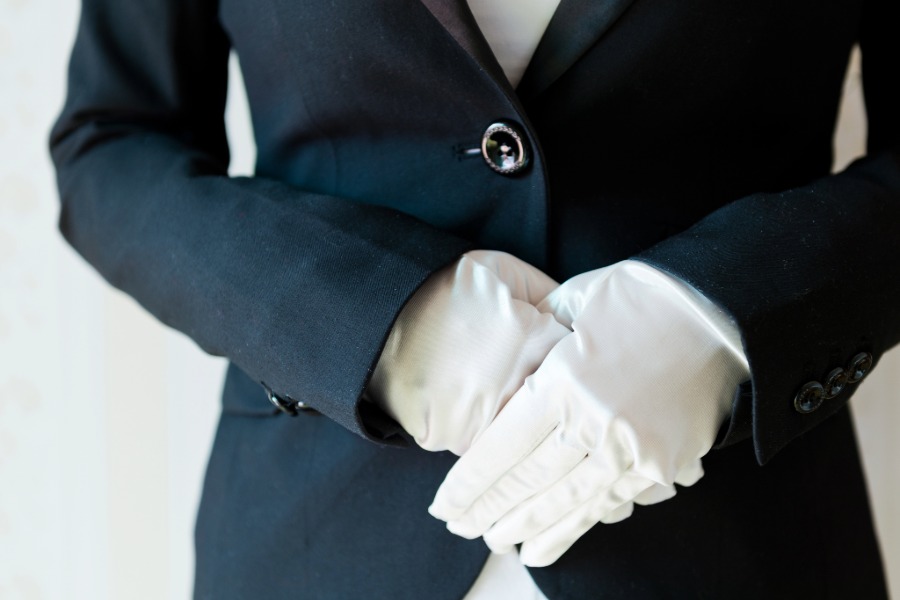
At highly styled events, staff presentation may be designed to reinforce a particular mood, level of formality, or brand identity. White gloves can contribute to that experience when employees are performing visible, deliberate tasks such as:
- Presenting covered trays
- Offering beverages from a tray
- Displaying ceremonial items
- Assisting with a ribbon cutting
- Handling gifts or awards
- Providing butler-style service
- Supporting VIP hospitality
- Participating in a coordinated entrance or presentation
The key is intentionality. Guests should perceive the gloves as a natural part of the service, not as an obstacle that makes the employee’s job more difficult.
If staff will alternate between gloved and ungloved activities, easy-to-change slip-on gloves may help support the workflow. Even then, managers should verify that the gloves stay securely in place during the assigned task.
If gloves reduce dexterity, create a poor grip, or frequently become soiled, the visual benefit may not outweigh the operational drawbacks. A short rehearsal can help determine whether gloves improve the presentation under real working conditions.
4. When Handling Polished Serviceware
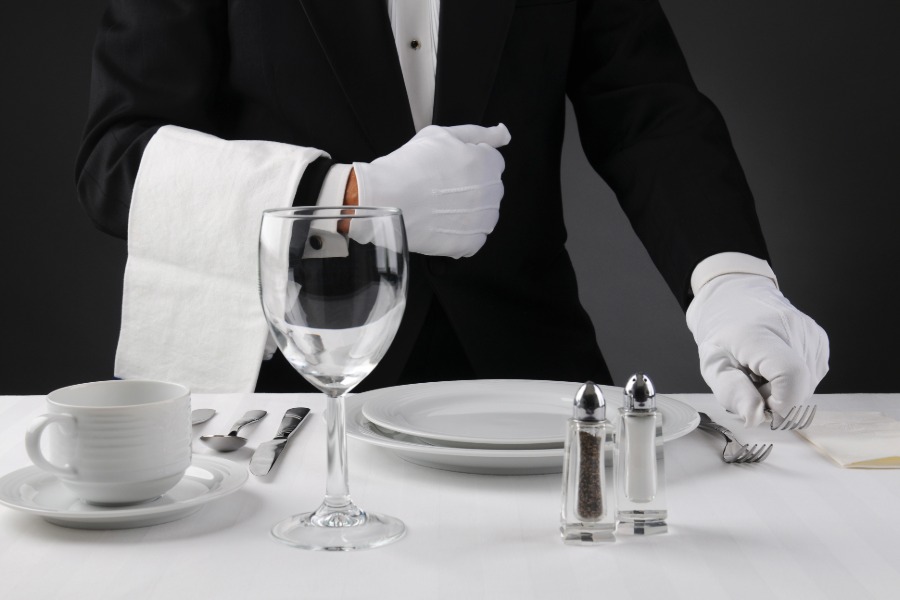
Fingerprints and smudges are especially noticeable on polished surfaces. White cotton gloves may help employees handle certain clean, non-food items during setup and presentation, including:
- Polished silverware
- Serving trays
- Glass display pieces
- Metal beverage service pieces
- Decorative table accessories
- Presentation stands
- Ceremonial equipment
Gloves can be particularly helpful after an item has been polished and is being moved into its final position. This reduces the chance that staff will need to polish it again immediately before guests arrive. A neat wrist finish can also matter during visible setup, which is one reason some teams prefer hemmed gloves for these assignments.
That does not mean the same gloves should be worn throughout every stage of setup. Once gloves have picked up dust, polish residue, moisture, or visible soil, they may transfer those materials to the next item.
A simple clean-glove rule works well: use freshly laundered gloves for final presentation tasks, inspect them frequently, and replace them before moving to another clean area.
5. At Formal and Ceremonial Events
Not every upscale event requires white gloves. They are most effective when they align with the event’s tone, venue, and guest expectations.
Events where white gloves may be appropriate include:
- Black-tie dinners
- Luxury weddings
- Diplomatic or ceremonial functions
- Formal hotel banquets
- Museum or gallery events
- High-end private dining
- Traditional afternoon tea service
- Awards presentations
- Memorial or commemorative events
- Premium transportation or hospitality services
For a relaxed outdoor reception, casual buffet, or high-volume festival, white gloves may offer little practical value. The decision should begin with the service environment, rather than an assumption that gloves always make an event appear more professional.
Professionalism comes from the entire operating system: clean uniforms, good posture, attentive communication, careful handling, reliable timing, and consistent service. Gloves can reinforce those qualities, but they cannot create them on their own.
6. When Gloves Are Part of a Brand Standard
Hotels, caterers, country clubs, venues, and event companies often use uniform standards to create a recognizable guest experience.
When white gloves are included in that standard, managers should define more than their color. A useful policy should address:
- Which roles wear gloves
- Which tasks require them
- Which glove style is approved
- How gloves should fit
- When employees must change them
- How clean and used gloves are stored
- Which tasks require a different type of glove
- When gloves must be removed
For example, a venue might require white gloves for greeters and plated-service staff but not for bartenders, buffet attendants, kitchen employees, or bussers. That creates a consistent visual standard without forcing one product into tasks for which it was not designed.
Start with the role, not the product
At Action Packaging, we believe hospitality supplies should be selected around the employee’s actual task. The best glove is not simply the most formal-looking option. It is the glove that supports the work, the event’s presentation standard, and the organization’s operating procedures.
When Should White Catering Gloves Not Be Worn?
Knowing when to remove or replace white gloves is just as important as knowing when to put them on.
During direct contact with ready-to-eat food
Ordinary cloth catering gloves should not be treated as food-preparation gloves. The FDA Food Code states that cloth gloves may not be used in direct contact with food unless that food will subsequently be cooked as required by the code.
For exposed ready-to-eat foods, operations should use suitable utensils or task-appropriate single-use gloves according to applicable procedures and local regulations.
The FDA Food Code is a model used by regulatory jurisdictions, so businesses should also confirm the rules adopted in their state or local area. Review the FDA Food Code and consult the appropriate local authority for requirements that apply to a specific operation.
When handling hot cookware or high-temperature items
A standard cotton service glove is not automatically a heat-resistant glove. Staff should never assume that white gloves provide protection from hot pans, oven racks, heated serving equipment, or very hot plates.
Tasks involving heat require products specifically designed and rated for the temperatures and hazards involved.
When bussing tables or handling used serviceware
Gloves used for clean presentation tasks should not transition into clearing dirty dishes and then back into service.
Handling used plates, glassware, flatware, waste, or cleaning materials introduces a different level of soil and contamination. Staff should follow the operation’s hygiene procedures and use task-appropriate protective products where necessary.
Separating clean-service and clearing roles can make this distinction easier to manage.
When gloves become wet, stained, or damaged
White gloves communicate care only while they remain clean and presentable. Replace them when they become:
- Visibly stained
- Damp
- Torn
- Stretched out
- Contaminated by another task
- Too loose to provide a secure grip
Having backup pairs readily available makes proper glove changes much easier during a busy event.
Choosing the Right White Gloves for the Task
White catering gloves come in several styles. Choosing among them should be based on the work being performed.
Hemmed Gloves
A finished hem can create a neat wrist appearance and help the glove maintain a polished silhouette. This style can work well for guest-facing and ceremonial roles.
Lightweight Gloves
Lightweight cotton gloves may be comfortable for extended wear and tasks that require moderate dexterity. They can be a practical choice for greeters, ushers, and presentation staff.
Slip-On Gloves
Slip-on designs are convenient when employees need to put on or remove gloves efficiently. Proper sizing is essential so the glove does not shift during service.
Sure-Grip Gloves
Sure-grip gloves include a textured gripping surface that may provide more control when carrying trays, plates, or certain service pieces.
Teams comparing multiple constructions can review the complete catering glove selection and evaluate each option according to its intended role.
A Practical White-Glove Policy for Catering Teams
A simple written policy can prevent confusion and make training easier.
Before the event
- Identify the roles that will wear white gloves.
- Match the glove style to the equipment and tasks involved.
- Check sizes and conduct a grip test.
- Prepare enough clean backup pairs.
- Store clean and used gloves separately.
- Review when gloves must be changed or removed.
- Confirm the correct procedure for direct food contact, heat, cleaning, and dirty serviceware.
During the event
- Begin with clean hands and clean gloves.
- Inspect gloves regularly.
- Replace gloves after soiling or an incompatible task.
- Keep gloved hands away from phones, faces, hair, and personal items.
- Do not allow cotton gloves to contact exposed ready-to-eat food.
- Remove gloves before moving from clean presentation work to clearing or cleaning tasks.
- Never use ordinary service gloves as heat protection.
After the event
- Collect reusable gloves separately from clean inventory.
- Launder them according to the product’s care instructions.
- Dry them completely before storage.
- Inspect each pair for stains, wear, and loss of shape.
- Replace gloves that no longer meet the organization’s presentation standard.
White Gloves Should Support the Service
White catering gloves are most useful when they serve a clear purpose. They can strengthen a formal uniform, reduce fingerprints on polished serviceware, and support a coordinated guest experience. They are not a universal hygiene solution or a substitute for task-specific safety procedures.
The best hospitality programs make deliberate choices. They decide which roles require gloves, match each style to the work, provide clean replacements, and train staff to recognize when a different product is needed.
That attention to detail is what turns white gloves from a decorative accessory into a functional part of professional service.