
Delivering customer value starts with understanding what customers need and how they experience your business. Product quality, service, convenience, and presentation all contribute to that experience. Sensory details, including what customers see, touch, smell, and hear, can also influence the impression your brand makes.
For retailers, these details extend from the store environment to the packaging customers take home. A coordinated shopping bag, a comfortable handle, or a carefully arranged gift box can help communicate the attention you put into your products. The goal is to create a welcoming, consistent experience without overwhelming customers.
How Scent Contributes to the Customer Experience
Scent can bring back memories and contribute to the atmosphere of a space. The smell of fresh bread in a bakery or cedar in a home furnishings store may become part of how customers remember that business. However, people respond differently to fragrances, and a scent that one person enjoys may be unpleasant or uncomfortable for another.
Rather than assuming a particular fragrance will produce a specific emotion or purchase, consider whether it fits your products and setting. A clean, comfortable environment is a useful starting point.
- Keep scents subtle: Avoid overpowering fragrances that compete with the products or make the space uncomfortable.
- Consider the product: Added fragrance may be inappropriate for food, apparel, or other items that can absorb odors.
- Listen to customers and staff: Use their feedback to identify whether a scent improves the environment or creates a distraction.
Use Touch to Communicate Product and Packaging Quality
Touch gives customers information that photographs and descriptions cannot fully convey. The texture of a material, the weight of a box, and the feel of a shopping bag handle can all contribute to how someone experiences a product.

In packaging, a tactile detail should serve a practical purpose as well as complement the design. A substantial box may suit a premium gift, while a lightweight bag may be more appropriate for a small everyday purchase. Neither needs to be heavier or more elaborate than the product requires.
- Material: Compare paper, board, and finish options to find a feel that suits your products and brand.
- Construction: Check handles, seams, closures, and inserts for the intended product weight and use.
- Ease of use: Make packaging comfortable to carry and straightforward to open.
- Samples: Evaluate physical samples when possible, especially before committing to a custom packaging project.
Where appropriate, let shoppers handle product samples or examine packaging before purchasing. Give them room to explore at their own pace and ask questions.
Choose Colors That Support Your Brand
Color helps establish a visual identity and distinguish products, collections, or seasonal promotions. Its meaning depends on context, culture, personal experience, and the surrounding design. A single color does not reliably identify a shopper type or guarantee a particular response.
When considering color in post-purchase packaging, focus on how the complete presentation supports your brand. The relationship between the product, logo, background, and finishing details matters more than assigning a fixed emotion to each color.
- Build consistency: Coordinate packaging colors with your logo, website, and store materials.
- Keep information readable: Use sufficient contrast for product details, instructions, and brand names.
- Create a clear focal point: Use accent colors to draw attention to a product or important message.
- Review printed samples: Colors can appear different on a screen, on paper, and across printing materials and finishes.
For a new packaging project, custom packaging design services can help bring artwork, color, and structure together in a coordinated presentation.
Make Music Part of a Comfortable Store Environment
Background music contributes to a store’s atmosphere, but there is no single playlist or tempo that guarantees customers will stay longer or spend more. Choose music that suits your setting, and consider how it affects conversation, browsing, and the comfort of customers and staff.

- Volume: Keep music low enough for customers and staff to speak comfortably.
- Style: Choose music that fits your brand and the type of experience you want to create.
- Feedback: Adjust the selection when it becomes distracting or repetitive.
Bring the Experience Together with Packaging
Packaging carries part of your brand experience beyond the store. For online customers, it may be their first physical interaction with your business. Color, material, structure, and presentation should work together while keeping the product protected and easy to access.
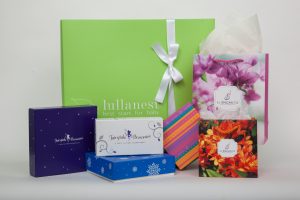
Whether you choose custom bags, printed boxes, or coordinated accessories, start with the product and the customer’s needs. Consider how the package will be filled, carried, opened, and stored. Then use design details to create a presentation that reflects your business.
- Match the packaging to the product: Select suitable dimensions, materials, and protection.
- Keep the branding consistent: Coordinate your logo, colors, typography, and supporting materials.
- Add useful finishing touches: Include care instructions, a thank-you note, or a clear way to contact your business.
- Test the complete presentation: Pack a sample order and review both its appearance and everyday usability.
Create a Thoughtful Customer Experience with Action Packaging
Sensory details work best when they support product quality, helpful service, and a comfortable shopping experience. Thoughtful packaging can reinforce those qualities through practical construction and a recognizable design.
Explore custom-printed packaging from Action Packaging for options that suit your products and presentation. If you need help planning your next project, contact the Action Packaging team to discuss your packaging needs.