
Takeout and delivery packaging helps restaurants serve customers beyond the dining room, but each order can involve containers, bags, cups, utensils, and other disposable items. Reviewing those components can reveal opportunities to reduce unnecessary materials while maintaining food protection and convenient service.
The best approach depends on your menu, order sizes, delivery conditions, budget, and available disposal services. Start with packaging that performs reliably, then evaluate specific ways to reduce waste rather than assuming one material is always the better choice.
Reduce Unnecessary Packaging in Your Service
Before changing materials, review what goes into a typical order. Items added automatically may not be useful to every customer, while poorly sized packaging can create avoidable bulk or require extra bags.
- Ask about accessories: Where appropriate, let customers request utensils, napkins, straws, and condiments instead of including them in every order.
- Match packaging to the order: Keep a practical range of container and bag sizes rather than using an oversized format for every purchase.
- Test complete orders: Check container fit, handle strength, closures, and stability during realistic transport.
- Review reusable options: Consider customer-owned or returnable containers only where your operating procedures and applicable foodservice requirements support them.
Using fewer components should not compromise food handling or make an order difficult to carry. Train staff on the intended packing method so improvements are applied consistently.
Takeout Bags: Compare the Complete Application
Paper and plastic bags offer different handling characteristics. Compare the intended load, container dimensions, exposure to moisture, storage requirements, and applicable local restrictions before selecting a format.
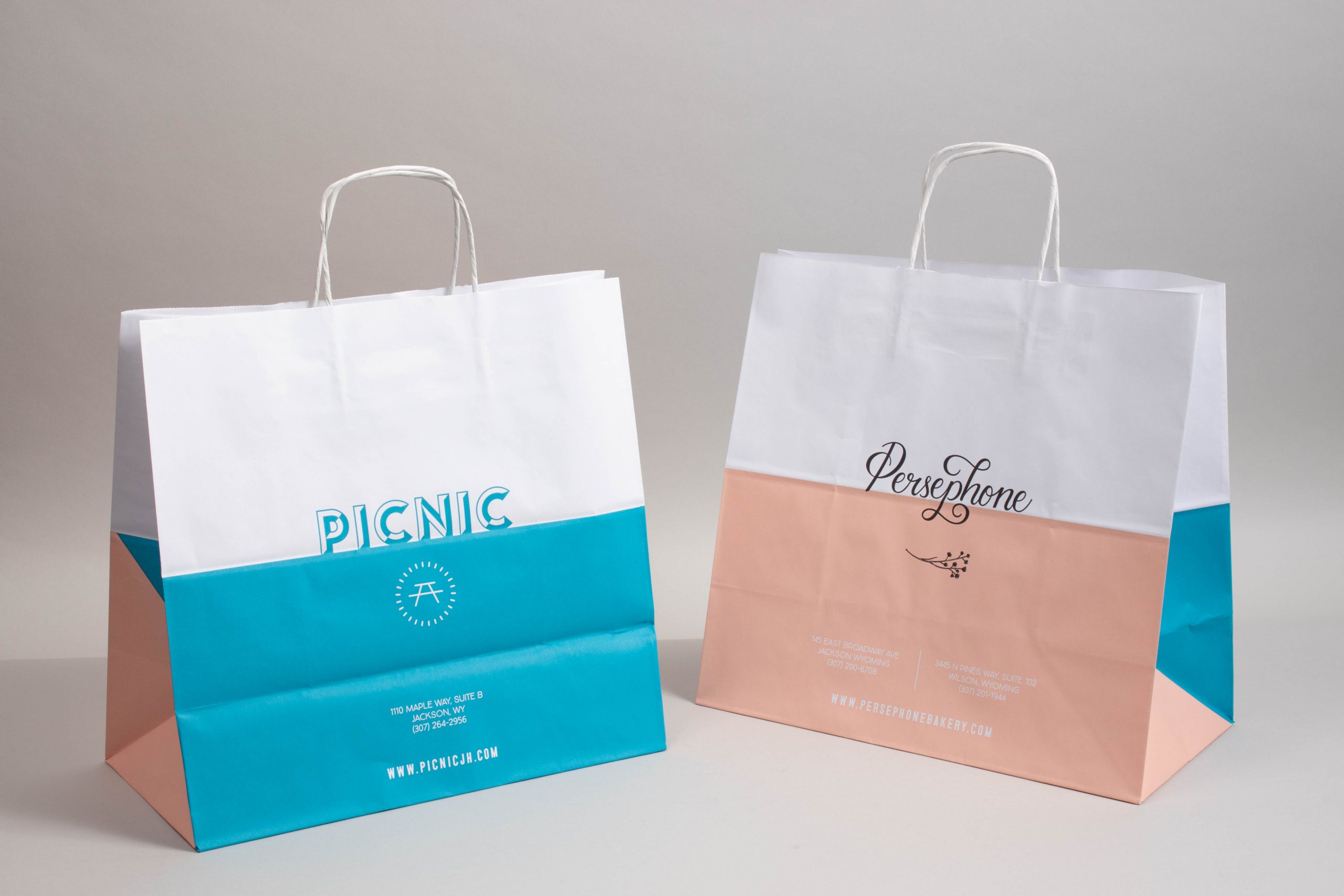
Paper Takeout Bags
Handled paper takeout bags can provide a structured base for suitable containers. Check the usable dimensions and intended load, including combinations of multiple boxes or drinks.
Moisture and grease can affect paper performance. Keep food inside appropriate containers and test how the bag holds up during the expected journey. Paper bags are not automatically recyclable or compostable after use; coatings, treatments, contamination, and local acceptance all matter.
Plastic Takeout Bags
Plastic takeout bags may suit particular carrying and moisture-handling needs. Review the bag’s construction, strength, and fit rather than assuming every style performs the same way.
Do not direct customers to place plastic bags in a recycling bin unless their local program explicitly accepts them. Separate collection options, where available, have their own material and cleanliness requirements.
Alternative Materials
Plant-based plastics and alternative fibers describe material sources, not a guaranteed disposal outcome. A product may contain renewable feedstocks without being compostable, and a commercially compostable item may require a specific facility.
Review the selected product’s documentation and confirm a suitable collection route before making claims. The EPA’s plastic recycling and composting guidance explains important distinctions between these terms.
Takeout Containers: Start with the Food
Container selection should begin with the menu item and service conditions. Hot soup, crisp fried food, cold salads, and baked goods have different needs. Evaluate leakage, grease resistance, ventilation, stacking, and closure performance with the actual food.
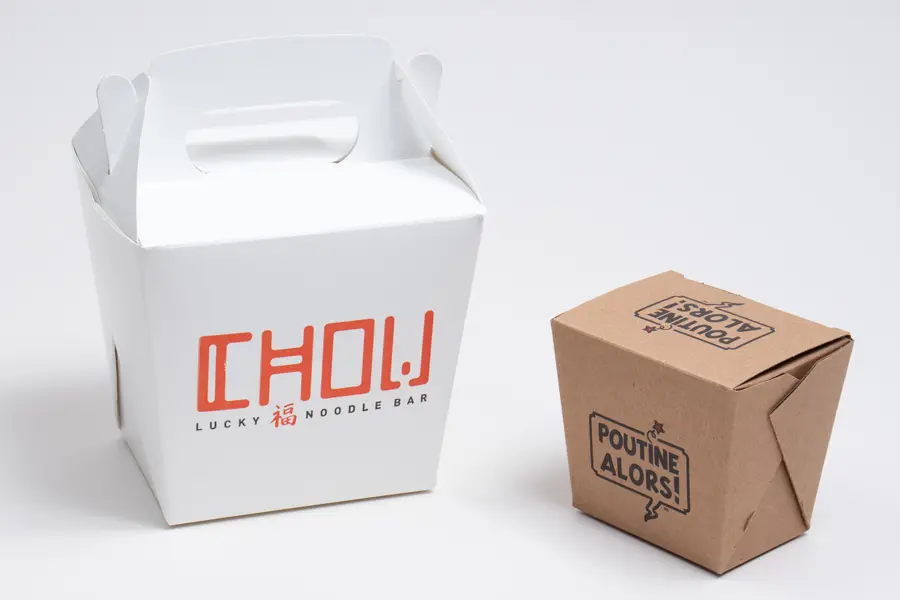
Plastic Food Containers
Plastic takeout containers offer different shapes, closures, and material specifications. Not every container is leakproof, microwave-safe, freezer-safe, or suitable for hot filling. Confirm each intended use for the selected container and lid.
A resin identification number describes the plastic type; it does not guarantee local recyclability. As the EPA’s recycling guidance explains, customers need to check what their local provider accepts.
Paperboard Takeout Boxes
Folding food takeout boxes and deli boxes with flap closures provide different options for serving and carrying food. Performance depends on the construction, lining, closure, and food being packed.
Test saucy or greasy items for penetration and leakage. Do not assume a paperboard box can be reheated or placed in an oven or microwave unless the manufacturer specifies that use.
Paperboard food containers are not automatically recyclable or compostable. Linings and food residue can affect acceptance, so review product guidance and local collection requirements.
Molded-Fiber and Bagasse Containers
Bagasse is a fibrous material remaining after sugarcane processing and can be used in molded foodservice products. Other molded-fiber products use different feedstocks and treatments.
Confirm the complete product specification, including coatings, temperature limits, grease handling, and any compostability certification. Bagasse content alone does not establish microwave suitability, local recycling acceptance, or compostability.
Mineral-Filled Plastic Containers
Some containers combine a plastic resin with mineral filler. Review their composition and intended performance as you would any other food container. Mineral content does not automatically establish a lower overall environmental impact or local recyclability.
Review Utensils, Napkins, Cups, and Carriers
Small accessories add up across repeated orders. Offer the quantity customers need and confirm that each item suits the food or beverage being served.
- Utensils: Make them optional where appropriate. If selecting compostable utensils, verify certification and acceptance by the intended composting program.
- Napkins: Use a practical quantity and confirm recycled-content claims rather than assuming all napkins contain recycled paper.
- Cups and lids: Confirm beverage temperature suitability, lid compatibility, and handling instructions. Check disposal guidance for each component separately.
- Straws: Respond to customer needs and applicable requirements, including accessibility needs.
- Carriers: Select cup carriers and trays that fit the cups and remain stable with the intended load.
Ripple paper cups offer a textured outer construction. Follow the selected product’s handling guidance rather than assuming an additional sleeve is never needed.
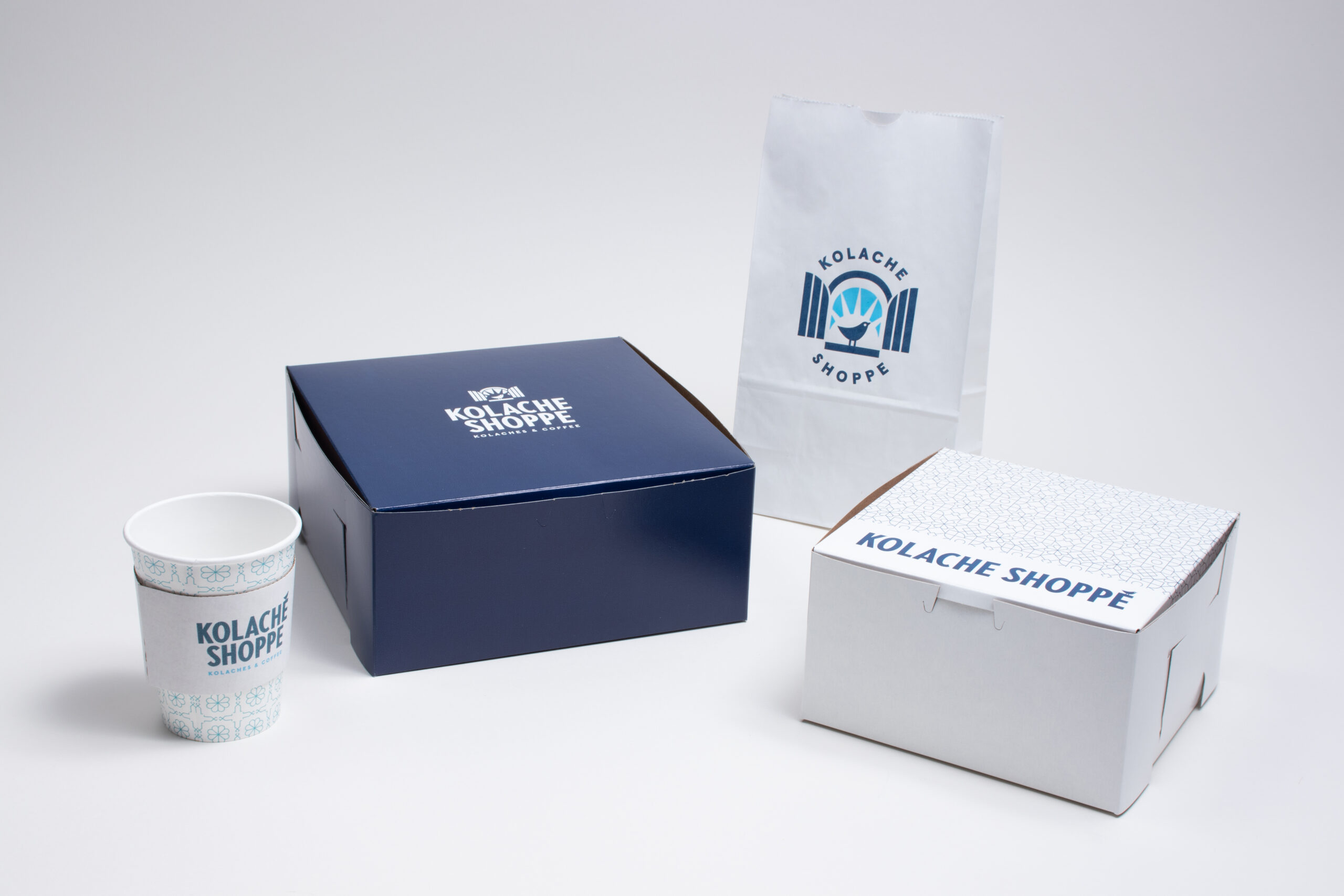
Make Disposal Instructions Clear
Separate recycled content, recyclability, and compostability in your customer messaging. Use supported, product-specific statements and explain which components need to be separated.
Before introducing compostable serviceware, confirm that a receiving program accepts the exact products. Commercial compostability does not mean an item belongs in a backyard compost pile or will break down harmlessly as litter.
For additional background, read how to recycle packaging, then check the requirements of the programs serving your restaurant and customers.
Plan Your Takeout Packaging with Action Packaging
A practical takeout packaging program balances food protection, ease of use, cost, and disposal options. Start with a few representative orders, test changes under normal service conditions, and monitor leaks, damage, packing time, and material use.
Explore takeout boxes, handled paper takeout bags, and custom restaurant packaging from Action Packaging.
Contact the Action Packaging team to discuss your menu, packaging requirements, artwork, quantities, budget, and timeline.