
E-commerce packaging needs to protect products, support efficient fulfillment, and provide a clear presentation when an order arrives. Reducing unnecessary materials is part of that process, but changes should preserve the protection your products need.
A practical packaging review considers the complete shipment: the outer package, cushioning, inserts, closures, labels, and any materials needed for returns. Here are ways to evaluate your packaging and reduce avoidable waste.
Reduce Waste Through Packaging Fit and Performance
Start by identifying where your current packaging creates excess space, unnecessary layers, or product damage. A smaller package is useful only if it still performs its intended job. Damage can result in replacement products, additional packaging, and another shipment.
Consider Shipping Bags for Suitable Products
For products that do not need rigid crush protection, a shipping bag may use less space than a box. Apparel and other flexible items may be candidates, depending on their weight, surface finish, and need for moisture or puncture resistance.
Compare the complete packed dimensions and weight rather than assuming a bag will always reduce shipping costs or environmental impact. The result depends on the product, materials, packing method, and delivery requirements.
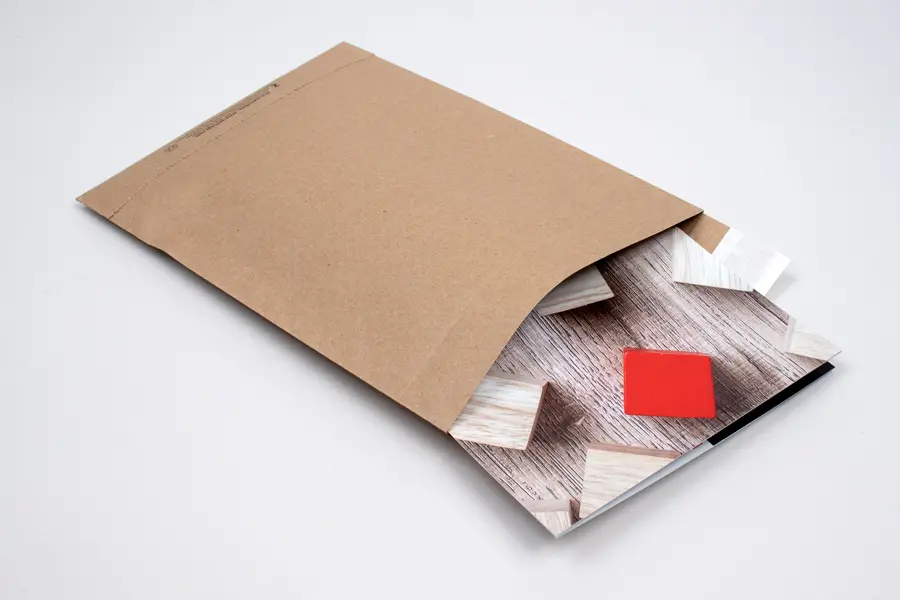
Eco-Natural paper shipping bags are one option to evaluate. Check the selected product’s dimensions, material specifications, closure, and intended use. Do not assume a paper mailer is suitable for fragile contents without additional protection.
Bubble-cushioned mailers combine an outer layer with cushioning. Review their suitability and disposal instructions separately, since mixed-material construction can affect recycling options.
Choose Appropriately Sized Shipping Boxes
An oversized box can require additional void fill and occupy unnecessary shipping space. A box that is too small can compress cushioning or put pressure on the product. Select dimensions that accommodate both the contents and the protection they need.
Review frequently shipped combinations and keep a manageable range of sizes. If standard formats leave recurring fit problems, custom e-commerce boxes may be worth evaluating.

Test representative packed orders and monitor damage after making changes. Fit, board strength, cushioning, and closure all contribute to performance.
Consolidate Shipments Where Practical
Combining compatible items from one order can reduce the number of outer packages. However, consolidation should account for product availability, weight, fragility, and customer delivery expectations.
Do not overfill a box simply to keep everything in one shipment. Separate products where necessary to prevent contact damage, and communicate clearly if consolidation changes the delivery schedule.
Plan for Returns and Reuse
Some packaging can support a second shipment or another practical use. Where returns are relevant, consider opening methods and closures that let customers retain the original package in usable condition.
Encourage reuse only when the packaging remains clean, structurally sound, and appropriate for the next task. Customers should inspect boxes, cushioning, and closures before using them again for shipping.
For suitable retail bags, these paper bag reuse ideas offer additional inspiration beyond the original purchase.
Evaluate Materials and Disposal Options Separately
Recycled content, recyclability, compostability, and reuse describe different attributes. A package made with recycled material is not automatically accepted by a customer’s recycling program, and a biodegradable claim does not establish suitability for a compost collection service.
Ask for product-specific information and use clear, supported descriptions. Avoid treating paper or plastic as universally better without considering the complete application.
Paper and Plastic Packaging
Paper-based boxes, mailers, and cushioning offer different levels of strength, flexibility, and barrier performance. Coatings, liners, adhesives, and contamination may affect disposal options. Check the complete construction rather than the outer appearance alone.
Plastic mailers, air pillows, and bubble cushioning also vary in material and construction. Do not place flexible plastic packaging in a recycling bin unless the local program explicitly accepts it. If a separate collection option is listed, confirm that it accepts the exact material and is currently operating.
Customers can use the Earth911 recycling search as a starting point for locating options, then contact the receiving facility to confirm current acceptance requirements.
Cushioning and Void Fill
Cushioning absorbs or distributes impact, while void fill limits movement within a package. Some materials serve both roles, but they should be selected and tested for the product rather than substituted based on appearance.
Newsprint packing paper can be considered for suitable wrapping and void-fill tasks. The amount and packing method matter, and it may not perform like specialized cushioning for fragile products.
For packing peanuts, foam, or other alternatives, confirm both protective performance and disposal guidance. Do not infer compostability or local acceptance from a general material description.
Decorative Tissue and Paper Shred
Tissue paper and crinkle paper shred can add color and organize a presentation. Use them as part of the packaging design while evaluating protective needs separately.
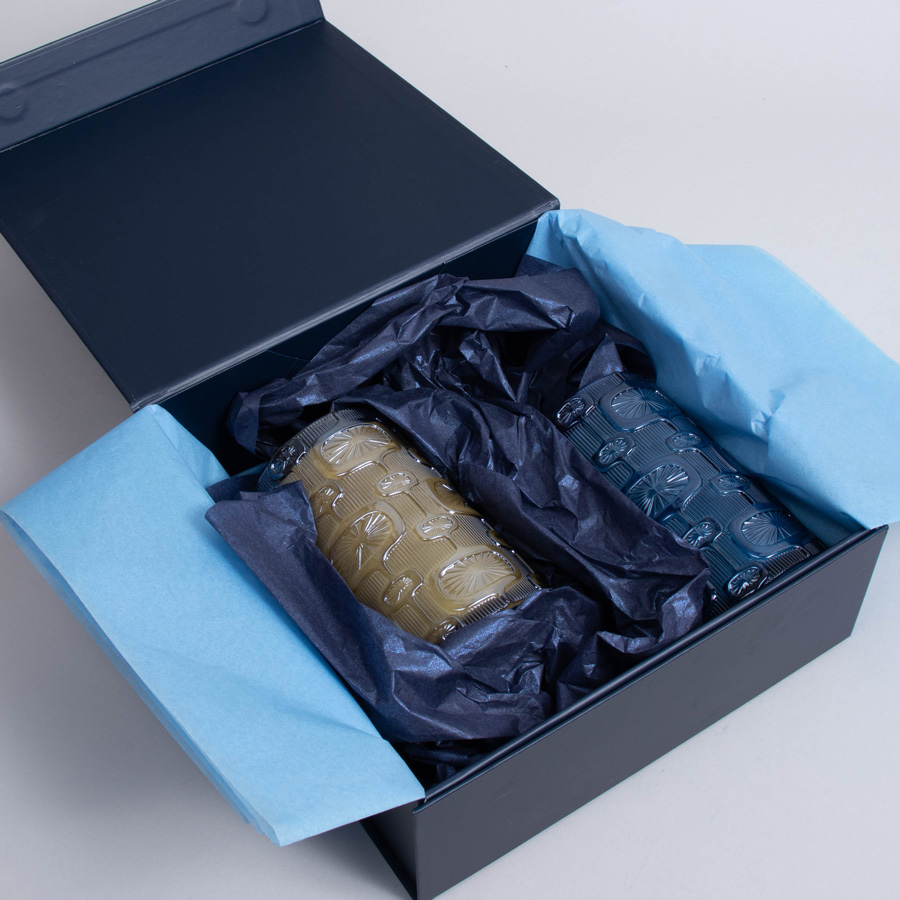
For fragile contents, decorative tissue alone should not be relied on to prevent transit damage. Add suitable cushioning, separation, or inserts and test the complete shipment.
Tape, Labels, and Other Components
Closures and labels also belong in a packaging review. Use enough tape to secure the shipment appropriately, and check whether special coatings or mixed components affect the relevant recycling process.
Disposal instructions should follow the receiving program’s requirements. Avoid giving a universal instruction to remove every label or strip of tape, since acceptance rules vary.
Use Custom Packaging to Address Specific Problems
Custom e-commerce packaging can address recurring size, presentation, or handling needs. An appropriately designed insert may keep products separated or reduce movement, while coordinated printing can reinforce your brand.
Customization does not automatically reduce environmental impact. Compare the proposed design with your existing package using measurable criteria:
- Material use: Compare the complete package, including inserts, cushioning, and closures.
- Packed size and weight: Review storage and shipping implications.
- Protection: Test representative orders and monitor damage or replacements.
- Fulfillment effort: Measure assembly time, packing consistency, and material waste.
- Disposal guidance: Confirm the information available for each component.
Build a More Efficient Packaging Program with Action Packaging
Packaging improvements work best when they solve a defined problem. Start with a frequently shipped product, document the existing materials and results, and test a change before expanding it across your operation.
Action Packaging can help you explore e-commerce packaging and shipping supplies that fit your products and presentation goals. For general disposal guidance, read how to recycle packaging and confirm local requirements.
Contact the Action Packaging team to discuss your current packaging, product requirements, quantities, budget, and timeline.