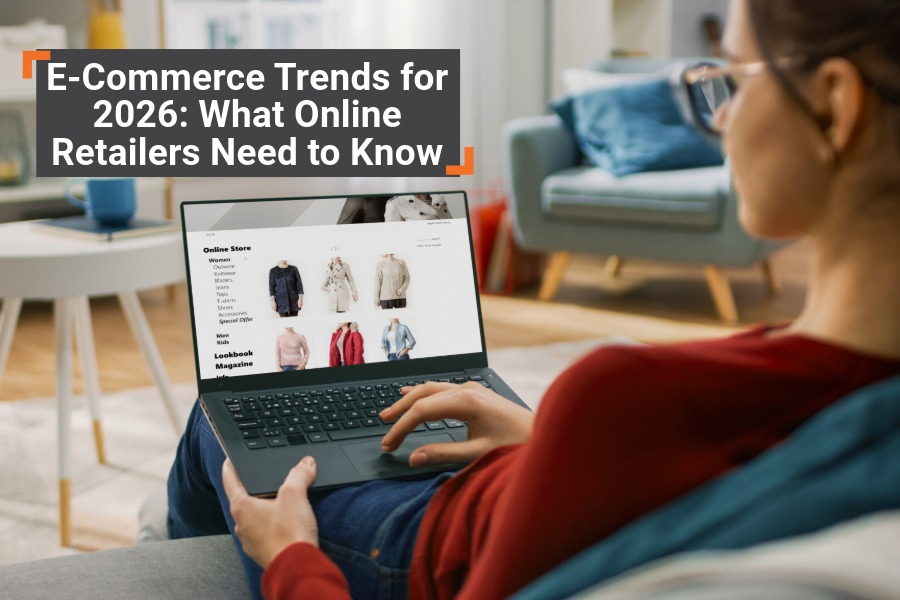
E-commerce brings together digital shopping, order fulfillment, and the experience customers have when their packages arrive. For online retailers reviewing their strategy in 2026, technologies such as artificial intelligence and augmented reality deserve consideration alongside practical priorities like mobile checkout and reliable shipping. Here are eight areas to evaluate, with ideas for connecting your online experience to your e-commerce packaging and shipping supplies.
1. AI-Powered Personalization and Product Recommendations
Artificial intelligence (AI) can help retailers tailor product recommendations, organize customer inquiries, and personalize marketing messages. Browsing activity and purchase history can inform suggestions, while chatbots can help answer routine questions. The value depends on accurate product information, appropriate use of customer data, and an easy way for shoppers to reach a person when they need additional help.

How to apply this: Start with a specific task, such as recommending complementary products or answering common order questions. Review the accuracy of automated responses and measure whether the feature helps customers complete their purchases.
2. Augmented Reality and Visual Product Previews
Augmented reality (AR) can help shoppers visualize a product in their surroundings before purchasing. Other tools, including three-dimensional previews and digital mockups, can help customers understand product appearance and customization options. For packaging projects, a custom packaging image gallery can also provide useful examples of printing, colors, and finished designs.
How to apply this: Choose visual tools that answer your customers’ most common questions. Clear photography, dimensions, and design examples may be a useful starting point before investing in AR. For custom packaging, confirm materials, measurements, and artwork through the appropriate proofing and sample process.
3. Social Commerce and Product Discovery
Social content gives retailers a way to demonstrate products, answer questions, and direct interested shoppers toward a purchase. Shopping features vary by platform, location, and account eligibility, so brands should confirm which options are available to them. Packaging can contribute to this content through product reveals, gift presentations, and shareable unboxing experiences.

How to apply this: Create product demonstrations and unboxing content that show what customers will receive. Keep product information consistent between social posts and your store, and make the path from discovery to checkout easy to follow.
4. More Thoughtful Packaging Choices
Packaging decisions affect product protection, material use, shipping space, and disposal after delivery. A practical approach to packaging sustainability starts with choosing an appropriate size and using enough protection to help prevent damage. Environmental claims should describe verified product attributes rather than rely on broad terms such as “eco-friendly.” Recyclability and compostability depend on the complete packaging construction and available collection programs.
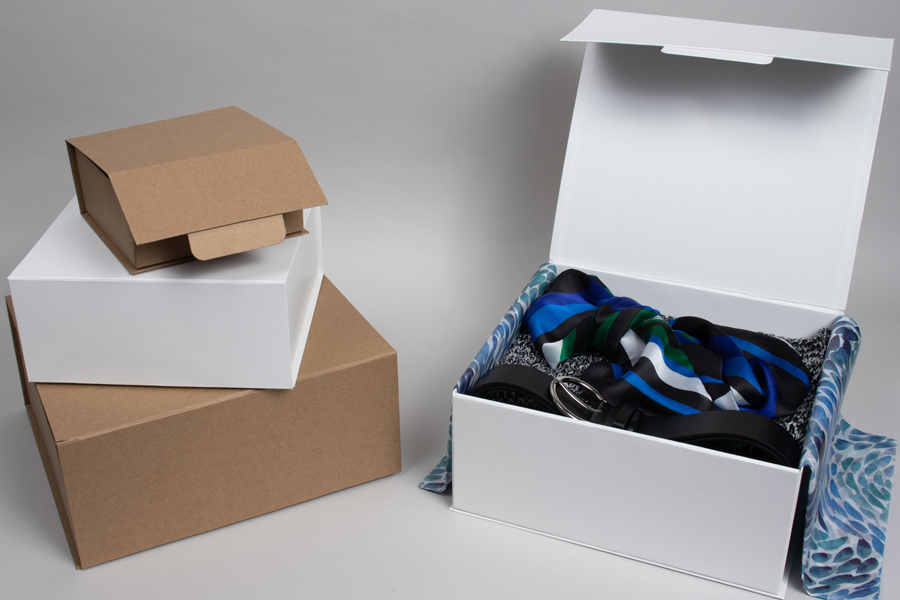
How to apply this: Review packaging dimensions, unnecessary layers, and product damage before making changes. When considering folding gift boxes or other presentation packaging, evaluate any outer shipping protection separately. Confirm material specifications and disposal guidance before making environmental claims.
5. Clear and Flexible Shipping Options
Delivery speed is one part of the shipping experience. Customers also need clear information about costs, estimated arrival dates, tracking, and returns. Offering delivery choices can help shoppers balance urgency and price, provided your fulfillment process can support the promises shown at checkout.
How to apply this: Review carrier services and order-processing times before offering expedited delivery. Display shipping costs and delivery estimates clearly, and select mailing bags or shipping boxes suited to the size, weight, and protection needs of your products.
6. Subscription and Replenishment Models
Subscriptions can suit products customers use regularly or enjoy receiving as a curated selection. Options include scheduled replenishment, themed assortments, and membership deliveries. A successful program needs a clear customer benefit, manageable fulfillment costs, and straightforward terms for renewals, changes, and cancellations.
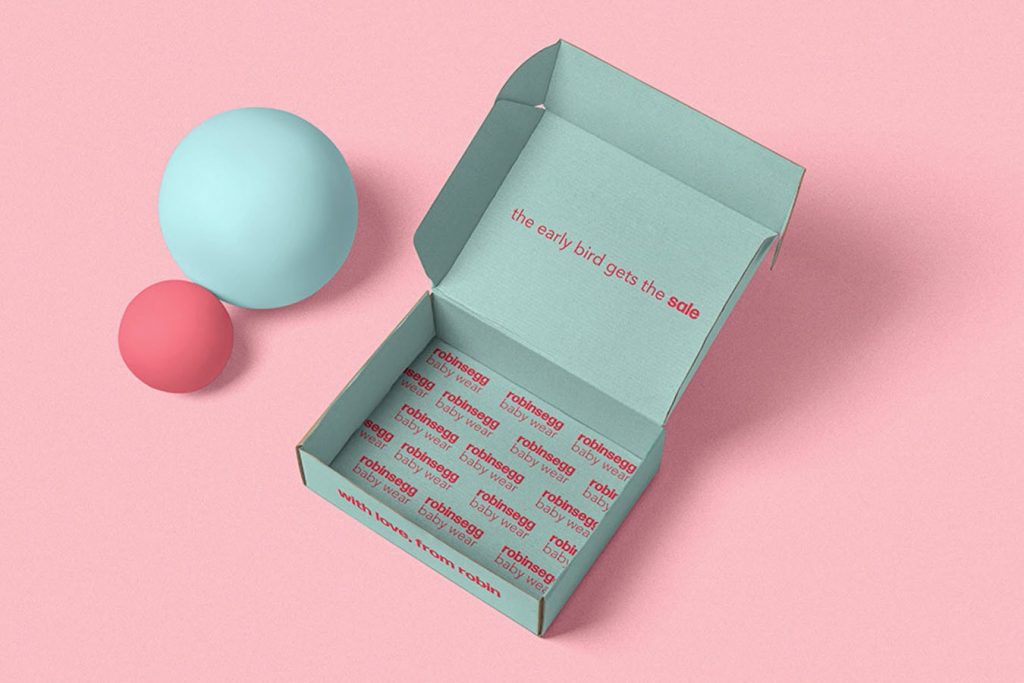
How to apply this: Test demand and calculate product, packaging, and shipping costs before launching a subscription. Consider custom-printed mailing boxes that accommodate your assortment and create a consistent presentation across deliveries.
7. Mobile-Friendly Shopping
A mobile shopping experience should make it easy to read product details, select options, and complete checkout on a smaller screen. Slow pages, hard-to-use menus, and lengthy forms can add friction. Clear product photographs and accessible information about dimensions, quantities, and shipping help customers evaluate a purchase without switching devices.
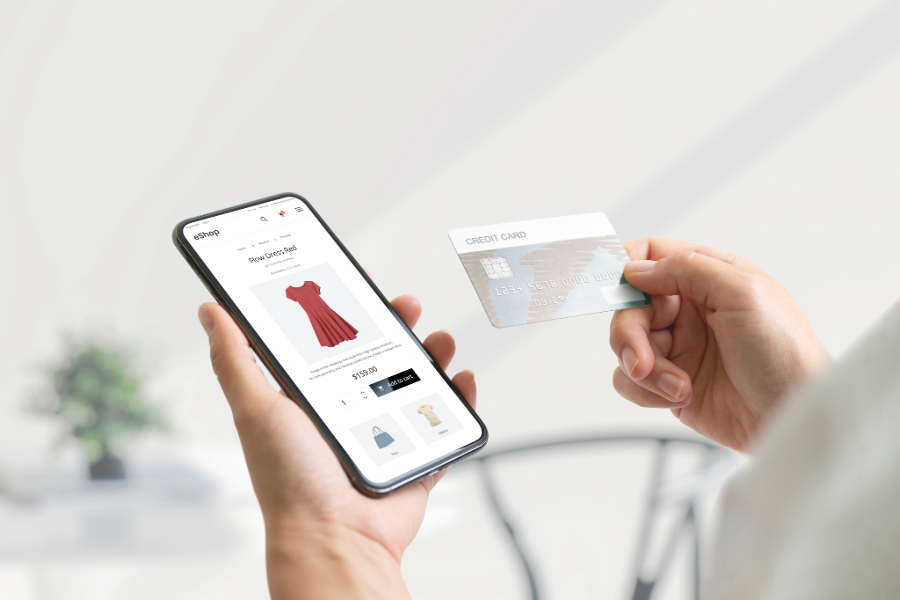
How to apply this: Test the complete purchase process on several phone sizes. Check navigation, product options, text readability, payment methods, and order confirmation. Prioritize improvements to your mobile website before deciding whether a separate app would serve your customers.
8. Conversational Product Search
Customers may search using a short phrase or a complete question, whether they type it or speak it. Product pages that clearly explain size, material, intended use, and compatibility can help answer those questions. For packaging, useful details include interior dimensions, pack quantities, closure styles, and customization options.
How to apply this: Write product descriptions in clear language and add FAQs based on real customer questions. Explain differences between similar products and avoid forcing repetitive keywords into the copy.
Bring the Digital and Delivery Experiences Together
Evaluating e-commerce opportunities in 2026 starts with understanding where customers need better information, fewer obstacles, or a more reliable experience. Test new tools against those needs, measure their results, and keep the fundamentals of product presentation, checkout, and fulfillment in view.
Packaging connects your online store to the order customers receive. Action Packaging offers boxes, mailing bags, and custom e-commerce packaging to help retailers plan product protection and branded presentation. Choose packaging that suits your products, fulfillment process, and customer experience.