
Independent restaurants compete for attention alongside businesses with larger advertising budgets and established brand recognition. A clear identity, dependable service, and a strong connection to the community can help your restaurant give guests a reason to choose it.
From the story behind your menu to the packaging customers carry home, each interaction is an opportunity to make your restaurant recognizable and memorable. Here are four areas to focus on.
Lead with Your Restaurant’s Story
Your recipes, people, and approach to hospitality give customers something specific to connect with. Explain what makes the restaurant yours through details that guests can experience in the food, service, and surroundings.
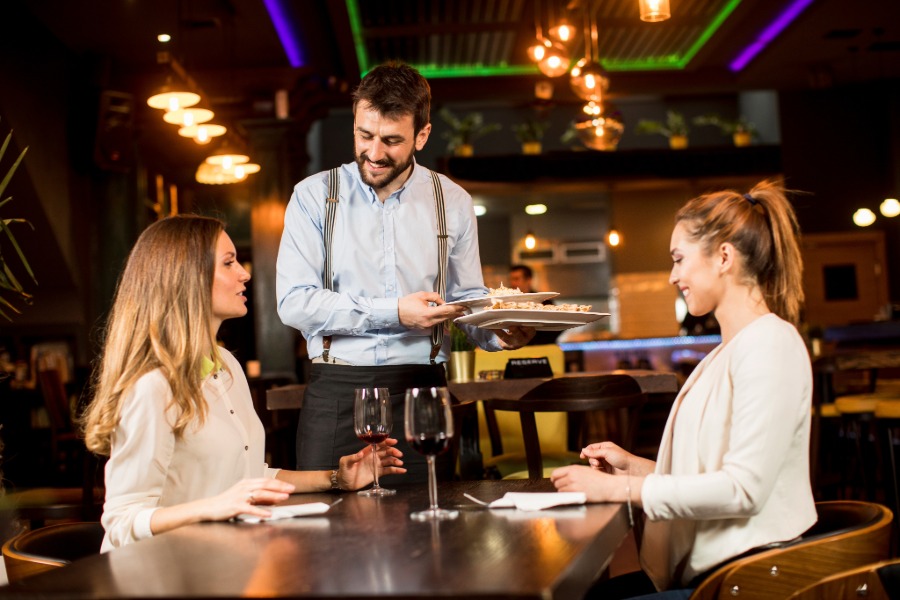
- Share your background: Explain the family recipes, regional flavors, or culinary experiences that shaped the menu.
- Introduce your people: With their permission, feature staff and show the care behind preparation and service.
- Reflect your community: Highlight relevant local collaborations, ingredients, or events using accurate, specific descriptions.
Keep these messages consistent across your menu, website, social content, and restaurant packaging. A clear story works best when the everyday experience supports it.
Build Strong Customer Connections
Personal attention can make a visit feel welcoming. Recognizing regulars, answering questions thoughtfully, and following through when something goes wrong are practical ways to build relationships over time.
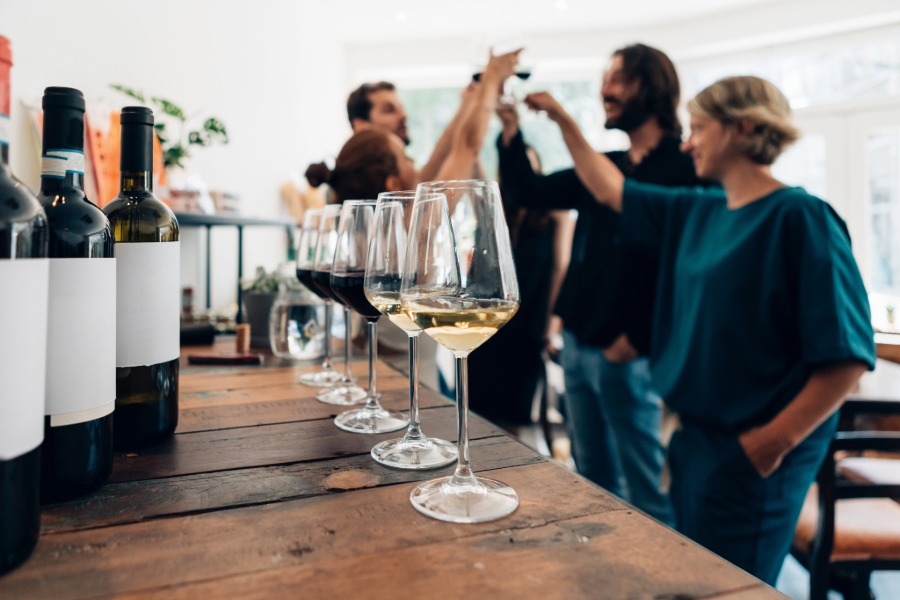
- Remember preferences respectfully: A familiar greeting or knowledge of a regular’s favorite dish can add a personal touch.
- Create relevant events: Consider tasting nights, seasonal menus, or community partnerships that fit your restaurant and operating capacity.
- Act on feedback: Look for recurring concerns and use them to improve ordering, service, food presentation, or takeout.
Set realistic expectations and give staff a clear process for resolving problems. Customer relationships depend on consistent follow-through as well as memorable occasions.
Use Focused, Local Marketing
Choose marketing activities that fit your audience, budget, and available time. Useful information and recognizable photography can help customers understand what you offer and decide when to visit.
- Share timely information: Keep hours, menus, ordering details, specials, and event dates accurate.
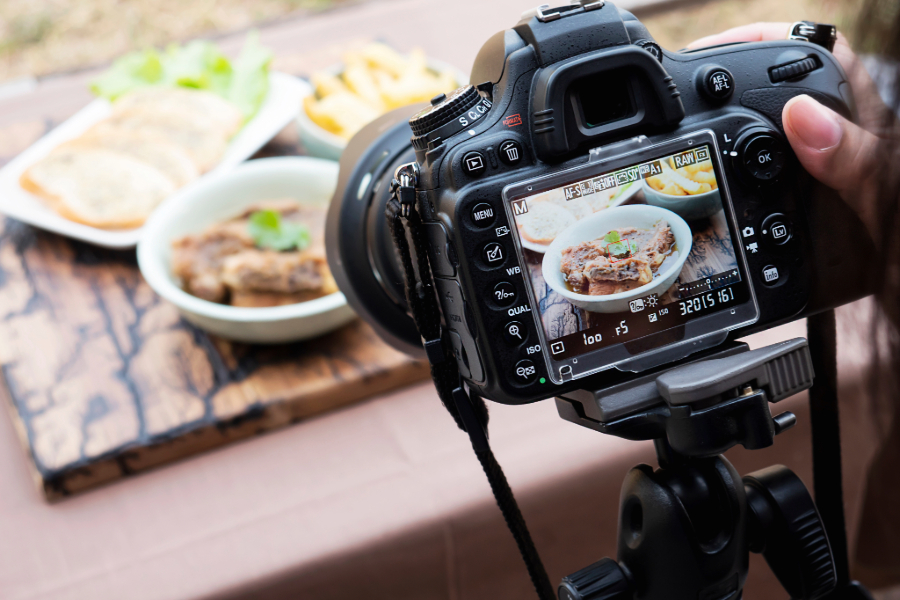
- Show the food clearly: Use photographs and short videos that represent the portions and presentation customers receive.
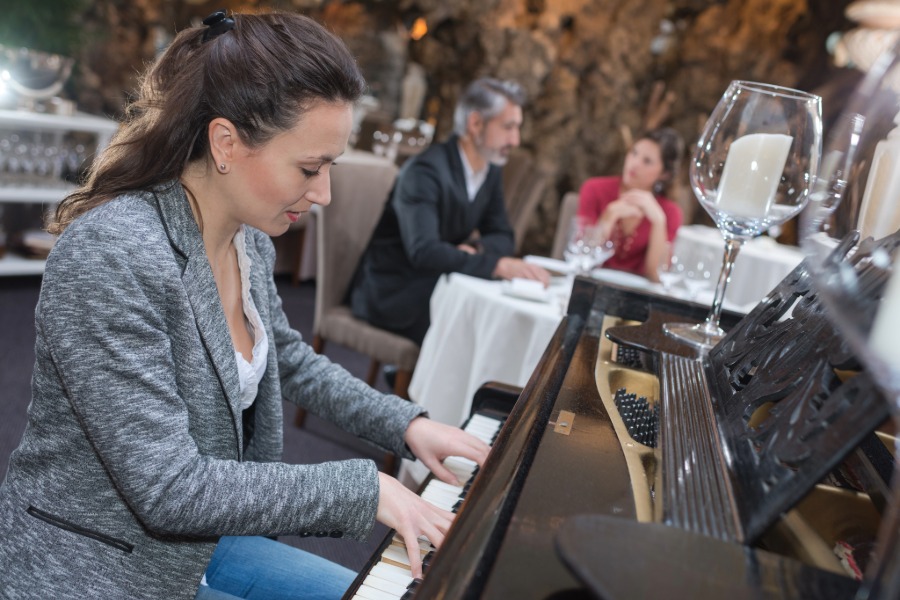
- Collaborate locally: Work with nearby businesses, producers, or artists when the partnership fits both audiences.
- Use customer content with permission: Ask before reusing guests’ photographs or videos in your own marketing.
For bakeries and cafés, explore these ideas for presenting baked goods in social content. Test different approaches and evaluate meaningful results, such as inquiries, reservations, and orders, rather than relying on views alone.
Make Packaging Part of the Experience
For takeout and delivery customers, packaging carries your presentation beyond the dining room. Start with performance: the containers should suit the food, closures should work reliably, and bags should fit the complete order.
Once those needs are met, coordinated artwork can help connect the meal to your restaurant. A consistent logo, color palette, and readable message can work across several packaging formats.
- Takeout bags: Compare custom paper takeout bags and printed plastic takeout bags according to the order’s dimensions, weight, and applicable local requirements.
- Food boxes: Select custom takeout boxes appropriate for the food and intended handling conditions. Confirm moisture, grease, temperature, and reheating suitability for the selected product.
- Cups and service details: Coordinate custom cups, coasters, and napkins with your wider visual identity.
- Wraps and liners: Use suitable custom foodservice wraps and tray liners to add branding where food-contact specifications support the application.
Pack sample orders and evaluate them after a realistic holding and transport period. Check for leaks, crushing, awkward handling, and changes in food presentation before committing to a packaging format.
Restaurant Packaging Examples
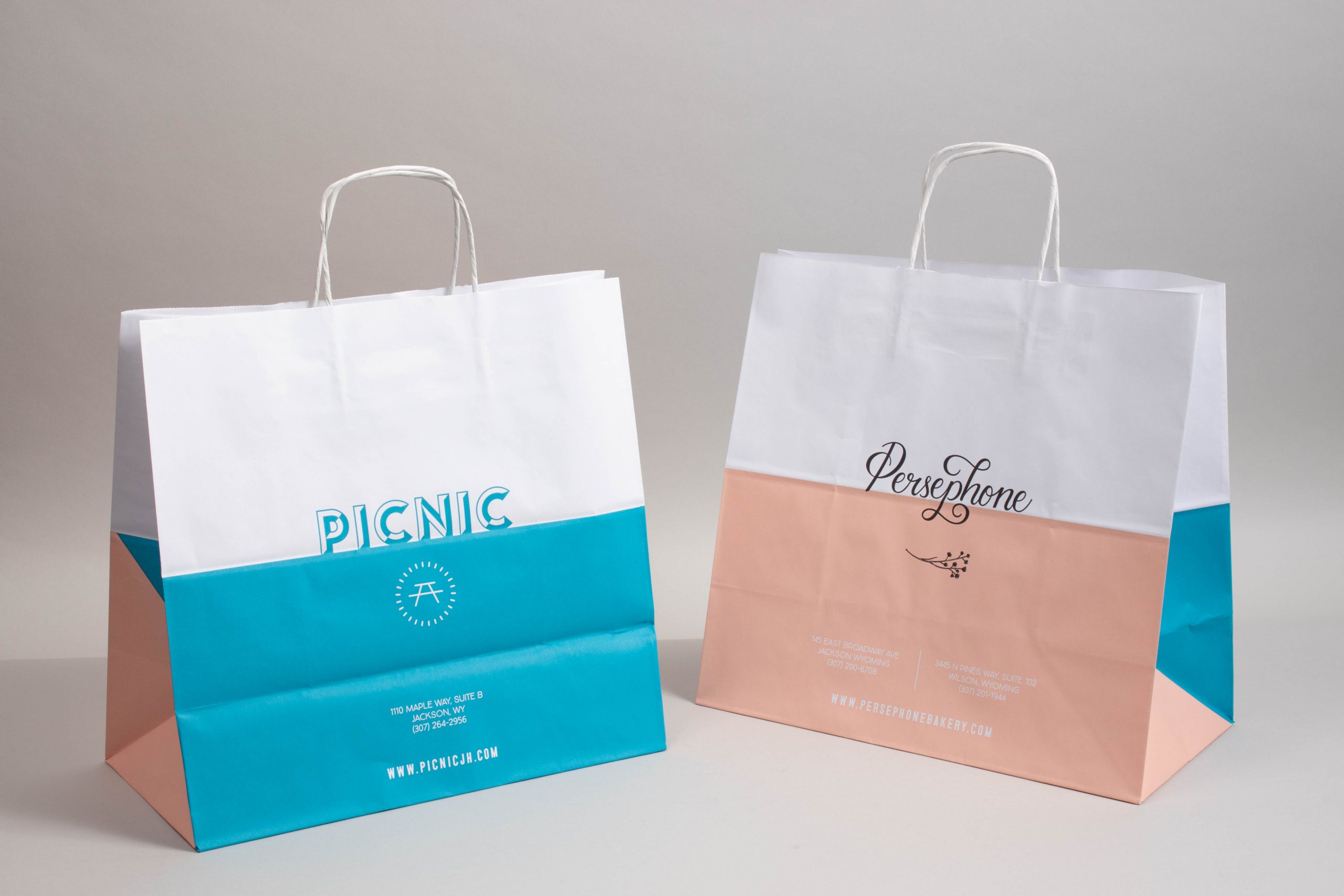
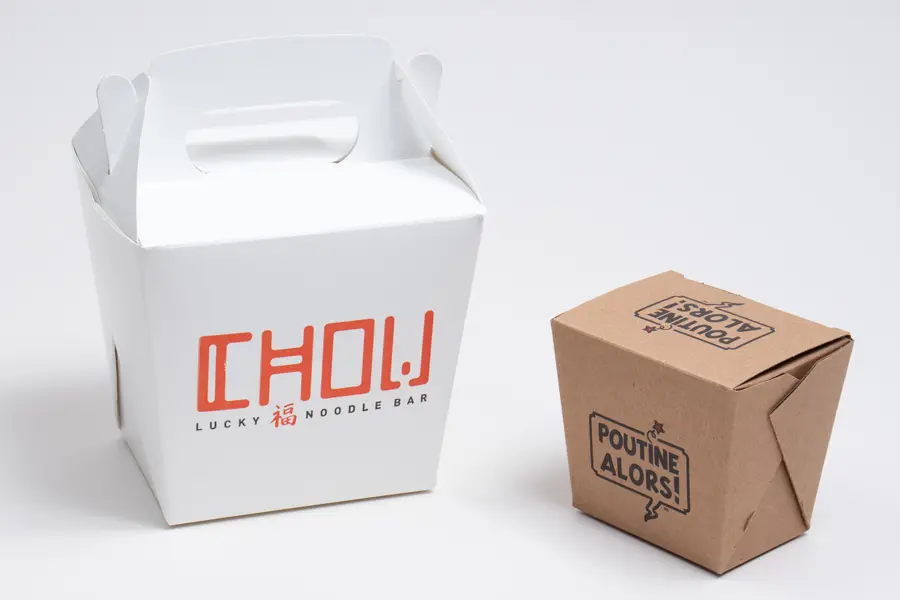
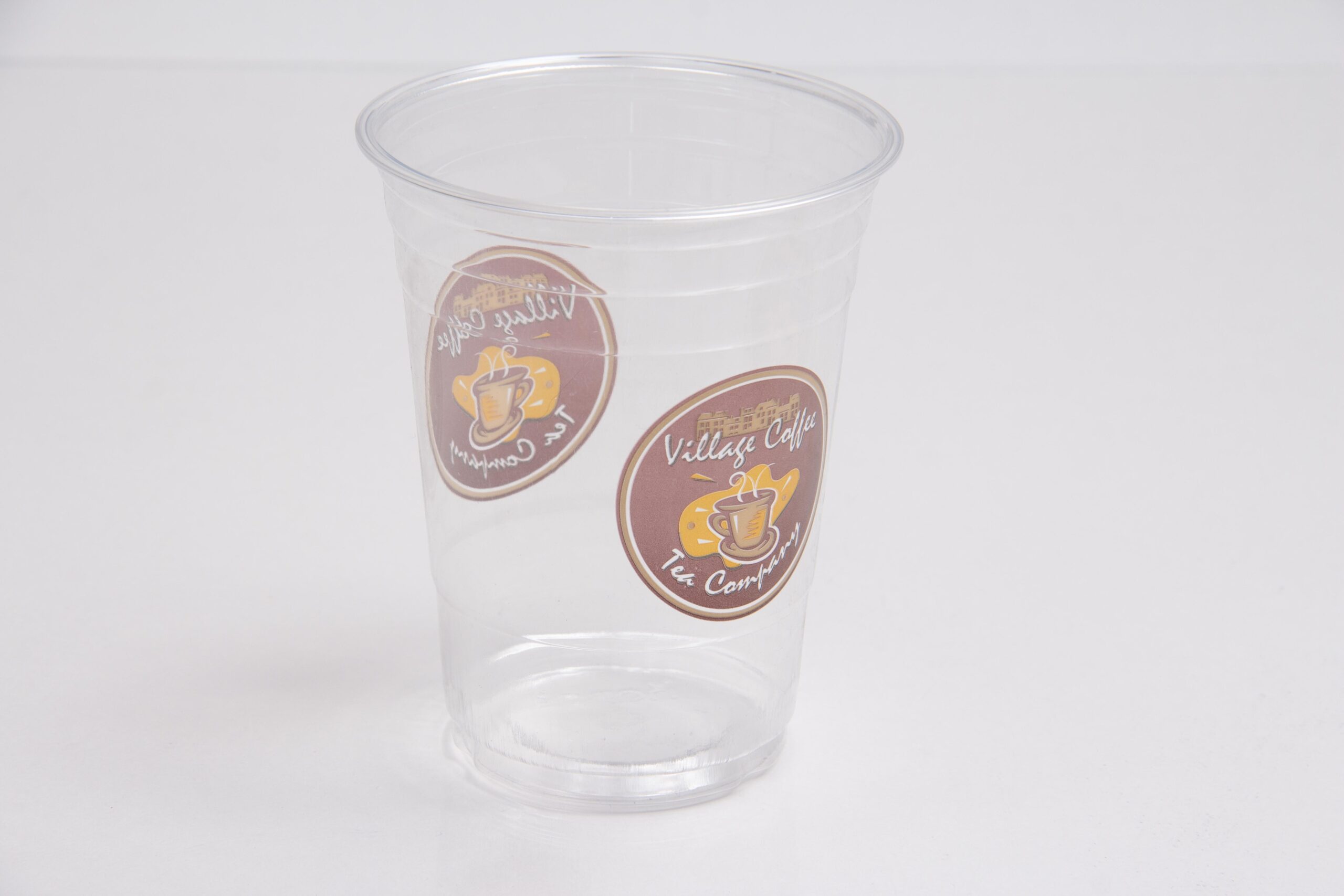
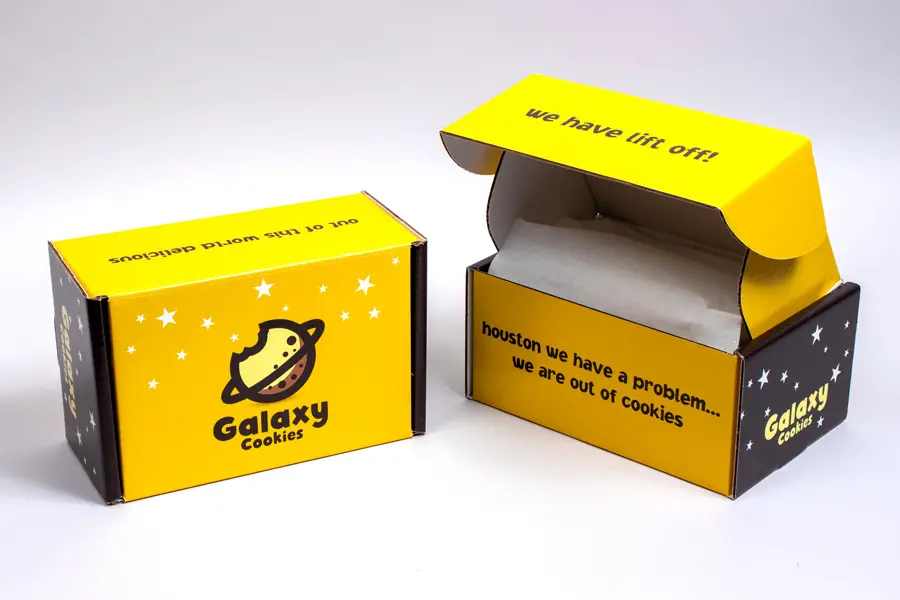
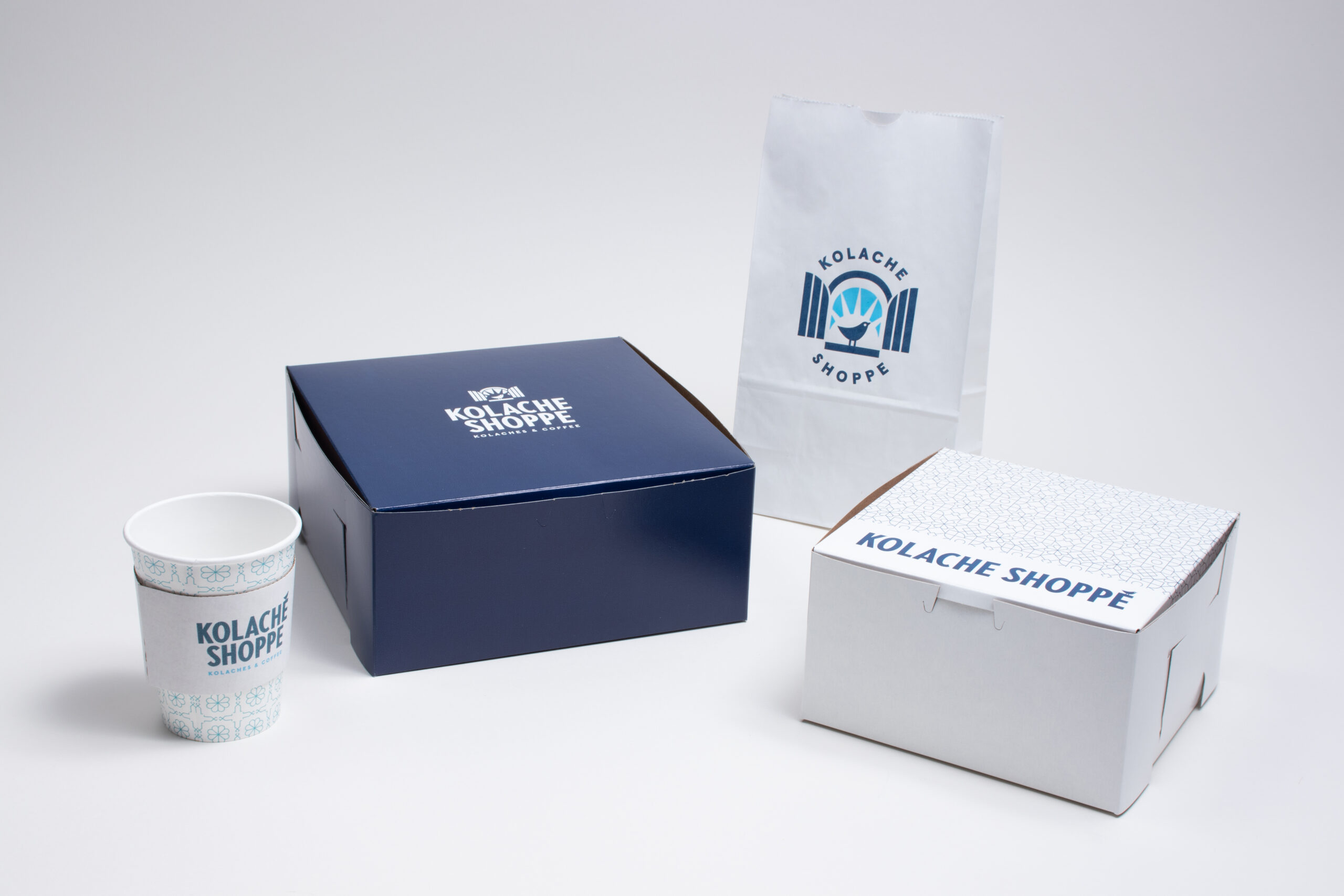
At Action Packaging, we help restaurants explore packaging options that bring practical requirements and branded presentation together. Start with the components your operation uses most often, then compare artwork, quantities, costs, storage needs, and production timing.
Build a Consistent Restaurant Experience
A distinctive restaurant identity develops through the food, service, communication, and details guests encounter. Focus on what your team can deliver consistently, and use feedback to decide where improvements will matter most.
Packaging can reinforce that identity while helping customers carry and enjoy their orders. Explore custom restaurant packaging from Action Packaging, or contact our team to discuss your menu, packaging needs, artwork, quantities, and timeline.