
If you are sourcing paper products for your restaurant, café, or foodservice operation, you will encounter several familiar terms: butcher paper, parchment paper, and deli paper. These papers can look similar, but their construction, coatings, and intended uses differ.
This guide explains the main differences and what to check before selecting paper for food preparation, cooking, wrapping, or serving. The product specification matters more than the category name alone.
What Is Butcher Paper?
Butcher paper generally refers to a strong paper used for wrapping meat and other foodservice applications. Different grades and treatments affect its strength, absorbency, and suitability for particular tasks. It should not be confused with ordinary kraft wrapping paper or plastic-coated freezer paper.
Common Uses
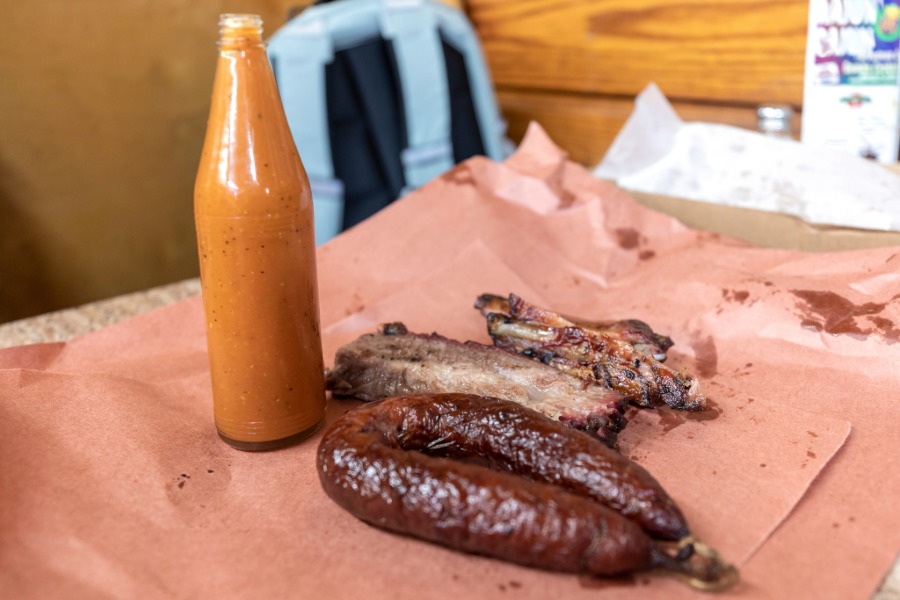
Suitable food-contact grades can be used for wrapping meat, sandwiches, or other foods and for selected serving applications. Some uncoated pink or peach butcher papers are specifically intended for wrapping meat during smoking.
Do not assume that every butcher paper is suitable for a smoker or oven. Follow the selected product’s temperature limits and equipment instructions. The manufacturer’s comparison of parchment and butcher paper illustrates why cooking suitability depends on the specific product.
What to Check
- Food-contact suitability: Confirm that the paper is intended for contact with your food under the planned conditions.
- Coatings and treatments: Check whether the paper is uncoated, treated, waxed, or plastic-coated.
- Cooking instructions: Use only products explicitly intended for the cooking method and temperature.
- Performance: Test strength, moisture handling, and grease penetration with your menu items.
Color alone does not establish performance. White, brown, and pink papers can have different specifications, so review the product details rather than choosing solely by appearance.
What Is Parchment Paper?
Baking parchment is designed to provide a release surface for food preparation and selected cooking applications. Many products use a silicone coating to help prevent sticking. Construction and temperature limits vary by manufacturer.
Common Uses
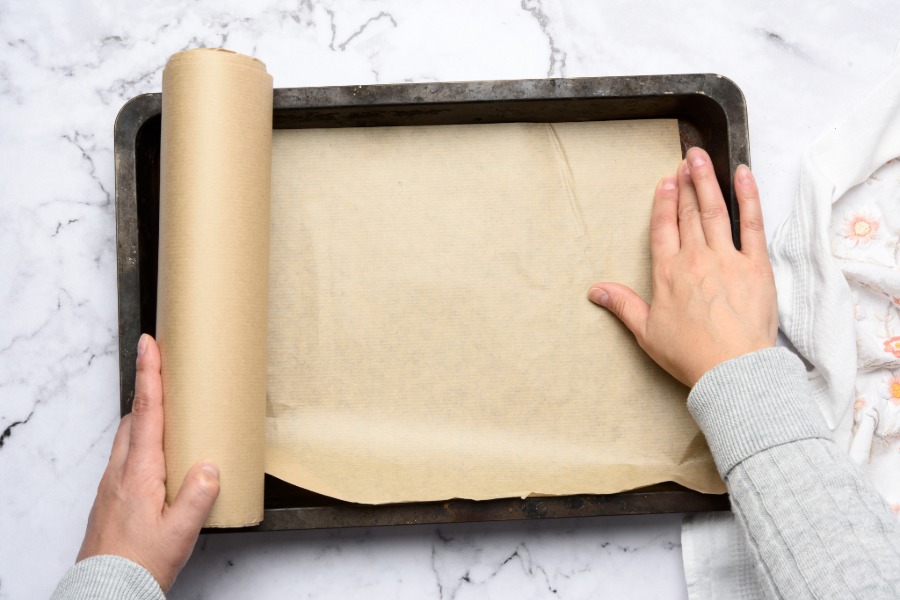
Depending on its instructions, parchment may be used to line baking sheets and pans, separate prepared foods, or create cooking packets. Its non-stick surface is useful when releasing baked goods cleanly from a pan.
Follow the product’s maximum temperature and placement instructions. Do not assume it is suitable for direct flame, broiling, or contact with heating elements. Wax paper is a different product and should not be substituted for baking parchment in oven-lining applications.
Serving and Presentation
Parchment can also be used for suitable food wrapping and presentation tasks. However, a custom deli wrap or liner may offer different folding, printing, and grease-handling characteristics. Choose according to the specific task rather than assuming parchment is only for baking.
What Is Deli Paper?
Deli paper is a broad term for papers used to handle, separate, wrap, or serve food. Related products include sandwich wraps, food sheets, basket liners, and tray liners. These names do not guarantee identical materials or performance.
Common Uses
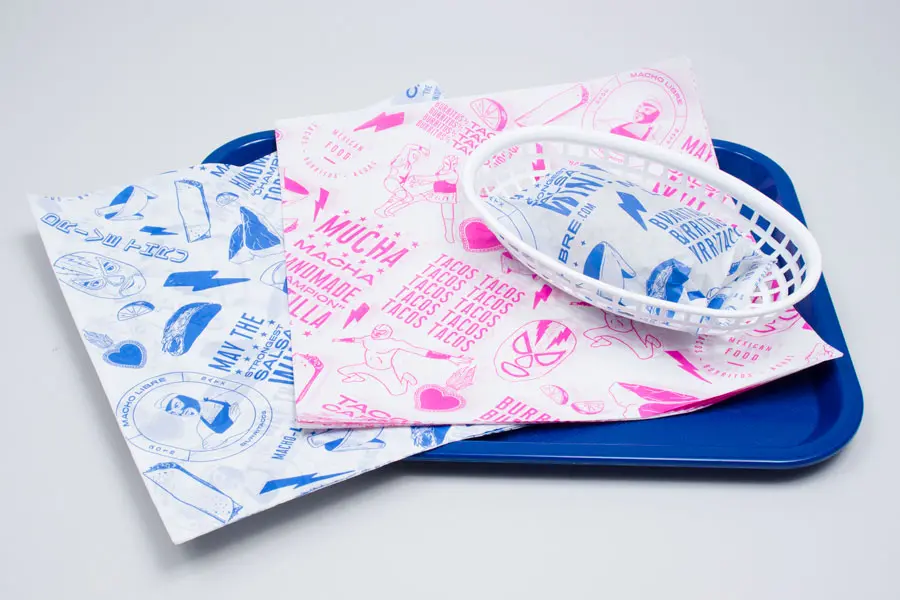
Appropriate grades can wrap sandwiches and burgers, separate baked goods, or line baskets and trays. Grease and moisture resistance vary with the paper and its treatment. A sheet suitable for a dry pastry may not perform the same way with hot fries or a juicy sandwich.
Pre-cut sheets can simplify service and provide a consistent wrapping size. Test them with the actual food, serving temperature, and expected holding time before selecting a product.
Common Options
- Plain sheets: White or kraft-colored options for a simple presentation.
- Grease-resistant wraps: Products designed for particular grease-handling needs.
- Waxed or coated papers: Options with specific barrier characteristics and use limitations.
- Custom-printed sheets: Foodservice wraps and liners featuring approved logos, patterns, or messaging.
Do not assume deli paper is suitable for ovens, microwaves, or other heating equipment. Confirm those uses separately. Explore custom foodservice tissue, wraps, and tray liners for branded serving and wrapping options.
Butcher Paper vs. Parchment Paper vs. Deli Paper
| Feature | Butcher Paper | Parchment Paper | Deli Paper |
|---|---|---|---|
| Common purpose | Meat wrapping and selected serving applications | Baking, food preparation, and selected wrapping tasks | Food handling, sandwich wrapping, and basket or tray lining |
| Cooking suitability | Only when explicitly specified for the method and temperature | Follow the product’s cooking instructions and temperature limit | Do not assume cooking or reheating suitability |
| Grease and moisture | Varies by grade and treatment | Typically offers a non-stick surface; barrier performance varies | Varies by coating, treatment, and intended use |
| Branding | Possible on suitable grades with an appropriate printing process | Depends on the product and printing process | Custom printing is available for selected foodservice grades |
| Disposal | Check construction, contamination, and local acceptance | Check coating, product guidance, and local acceptance | Check treatment, contamination, and local acceptance |
This comparison describes common applications, not a substitute for product specifications. Papers within the same category can perform differently.
Recycling and Composting Considerations
Foodservice papers are not automatically recyclable or compostable. Food residue, grease, coatings, and other treatments can affect whether a collection program accepts them. Responsible sourcing and disposal suitability are separate attributes.
- For recycling: Check whether the local program accepts the specific paper and its condition after use.
- For composting: Confirm both the product’s suitability and the receiving program’s acceptance requirements.
- For customer messaging: Use specific, supported statements rather than broad “eco-friendly” claims.
For general background, read how to recycle packaging, then confirm the requirements that apply to your foodservice paper and collection location.
How to Choose the Right Paper
- For smoking meat: Select butcher paper explicitly intended for the cooking method and follow its instructions.
- For baking: Choose baking parchment suitable for the recipe, equipment, and temperature.
- For sandwiches and burgers: Compare food-contact wraps for size, folding, grease resistance, and holding time.
- For baskets and trays: Test a liner with the menu item to assess grease penetration, moisture handling, and presentation.
Request samples where available and test under normal service conditions. A paper that performs well immediately after wrapping may behave differently during a longer takeout journey.
Add Branding with Purpose
Custom foodservice wraps and liners can connect the meal to your brand through repeated logos, illustrations, or a coordinated pattern. Keep the artwork readable and confirm that the paper, inks, and printing process are suitable for the intended food-contact conditions.
Ordinary craft stamps, inks, and decorative papers should not be assumed suitable for direct food contact. Discuss the application before selecting or printing a foodservice sheet.
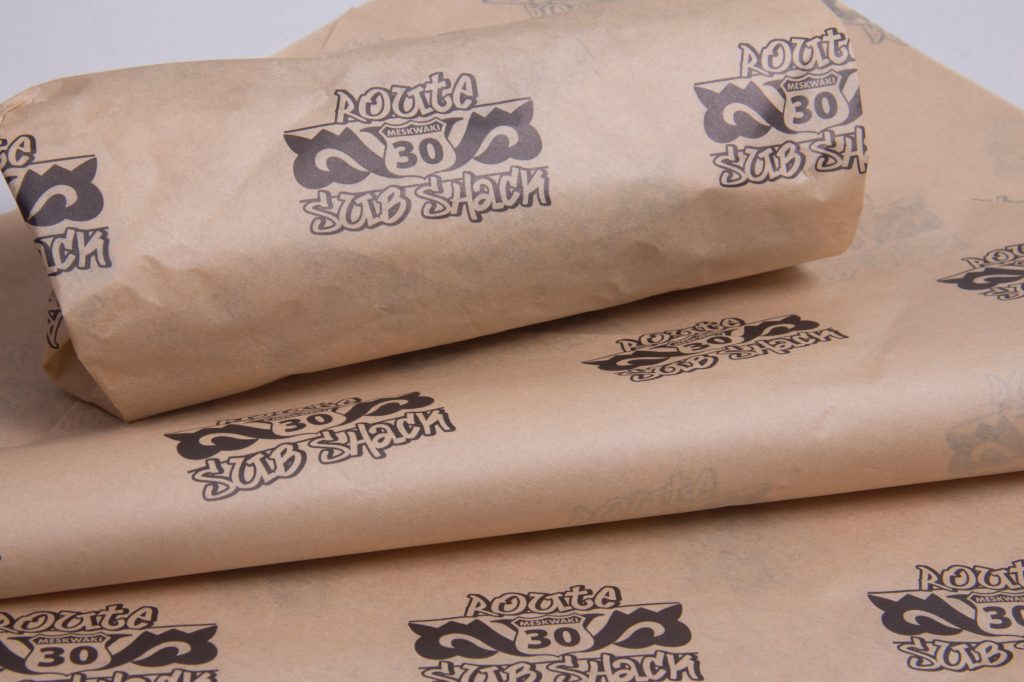
Coordinate the wrap with other custom restaurant packaging, including suitable paper takeout bags, to create a consistent presentation.
Find Foodservice Wraps and Liners with Action Packaging
Butcher paper, parchment, and deli paper serve different needs, and the right choice depends on the specific product. Start with food-contact suitability and performance, then consider size, branding, cost, and disposal guidance.
Explore custom-printed foodservice wraps and tray liners from Action Packaging. Contact the Action Packaging team to discuss your menu, intended use, artwork, quantities, and timeline.