From Raw Material to Retail: Understanding the Journey
Paper bags are one of the most recognizable and widely used forms of packaging in the world. Whether you manage a restaurant, boutique, grocery store, or event-based business, paper bags offer an efficient, eco-conscious, and durable solution for carrying products. But have you ever wondered how these bags are made, or what happens after they’ve been used?
Understanding the life cycle of a paper bag helps businesses make informed decisions about their packaging choices, from sourcing to disposal.
Step 1: The Sourcing Stage
The life of a paper bag begins with responsibly managed forests. Most modern paper bags are produced using pulp from trees grown specifically for paper manufacturing, often certified by organizations that ensure sustainable forestry practices.

The wood is chipped, pulped, and processed to extract cellulose fibers, which are then refined into paper. Many paper bag manufacturers also use post-consumer recycled paper, reducing the demand for virgin materials and minimizing waste.
Why it matters: Choosing paper bags made with recycled content helps businesses lower their environmental footprint and demonstrate a commitment to sustainability without sacrificing quality.
Step 2: The Manufacturing Process
Once the pulp is ready, it’s rolled into sheets, dried, and cut to size. The paper is then fed into machines that fold, glue, and shape it into functional bags. Depending on the bag type, twisted paper handles or flat handles may be added for strength and convenience.

Action Packaging offers a range of paper shopping bags, paper takeout bags, paper grocery bags, and more, designed to withstand heavy loads and maintain structure, even in high-use environments.
Why it matters: The strength and durability of paper bags are determined during manufacturing. Businesses that opt for higher-grade paper bags can prevent tearing, reduce waste, and enhance customer satisfaction.
Step 3: The Distribution and Use Phase
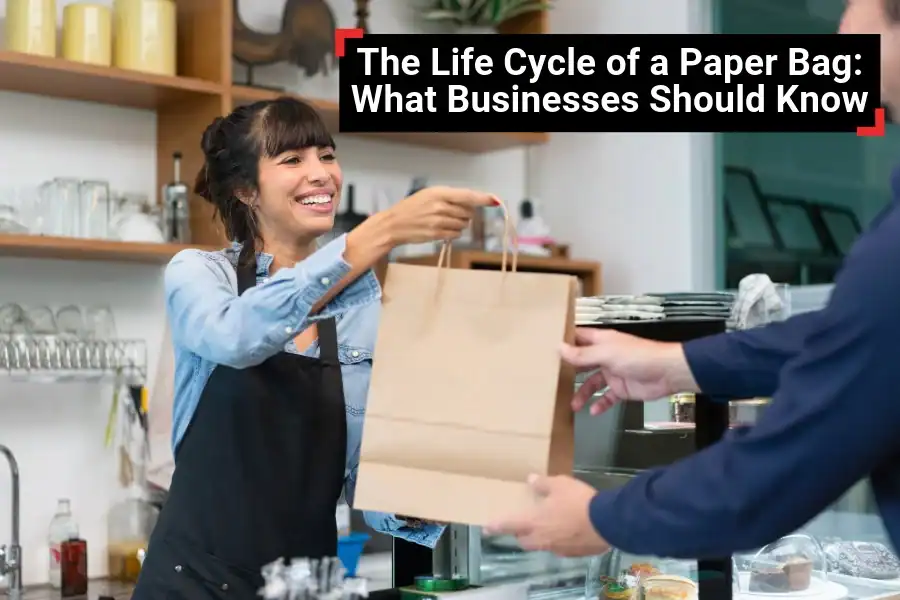
After production, paper bags make their way to warehouses, distributors, and ultimately to the businesses that use them. From there, they become an integral part of the customer experience, providing not just a means to carry items but also a symbol of care and quality.

Paper bags are favored across industries for their versatility and professional look. Restaurants use them for takeout and retailers for merchandise.
Why it matters: The right packaging contributes to convenience, presentation, and customer perception. A sturdy paper bag signals professionalism and attention to detail.
Step 4: The End of Its First Life
After serving its purpose, a paper bag’s journey doesn’t necessarily end in the trash. Paper is one of the most recyclable materials available today. Most recycling centers accept paper bags, turning them into new products such as tissue, cardboard, or even new paper bags.

Some bags also find a second life through reuse as lunch sacks, storage bags, or gift wrap. This reusability adds extra value for both businesses and consumers.
Why it matters: Encouraging recycling and reuse helps reduce landfill waste and supports a more circular economy.
Step 5: The Cycle Continues
When recycled, paper fibers can be repurposed several times before they eventually break down. The process saves water, energy, and raw materials, reinforcing the role paper bags play in sustainable packaging systems.
By choosing responsibly sourced, recyclable bags, businesses participate in an ongoing cycle that benefits both the environment and their bottom line.
A Smarter Choice for Business
The life cycle of a paper bag tells a story of renewal and responsibility. For businesses, understanding that story can lead to smarter purchasing decisions and a more thoughtful brand image.
At Action Packaging, we provide paper shopping bags, paper takeout bags, and paper grocery bags in bulk, all designed to balance durability, functionality, and sustainability.
If your business is ready to restock or upgrade its paper packaging, explore our full selection of paper bags today and choose a solution that aligns with both your operational and environmental goals.