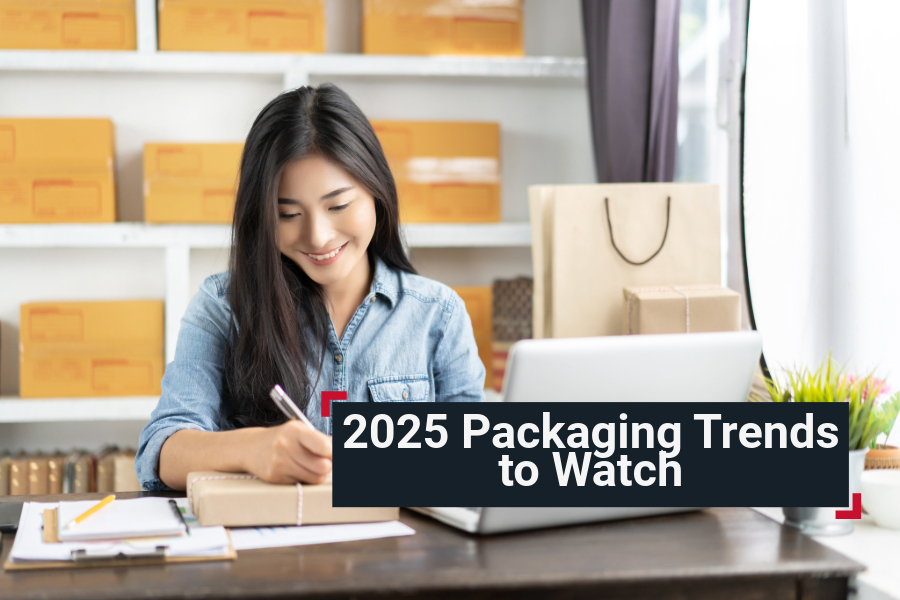
Branded packaging brings together product protection, customer experience, and visual identity. For retailers, restaurants, and e-commerce businesses, the most useful design ideas are those that fit the product, budget, and fulfillment process. Here are ten packaging approaches to consider when planning your next project.
1. More Specific Sustainability Goals
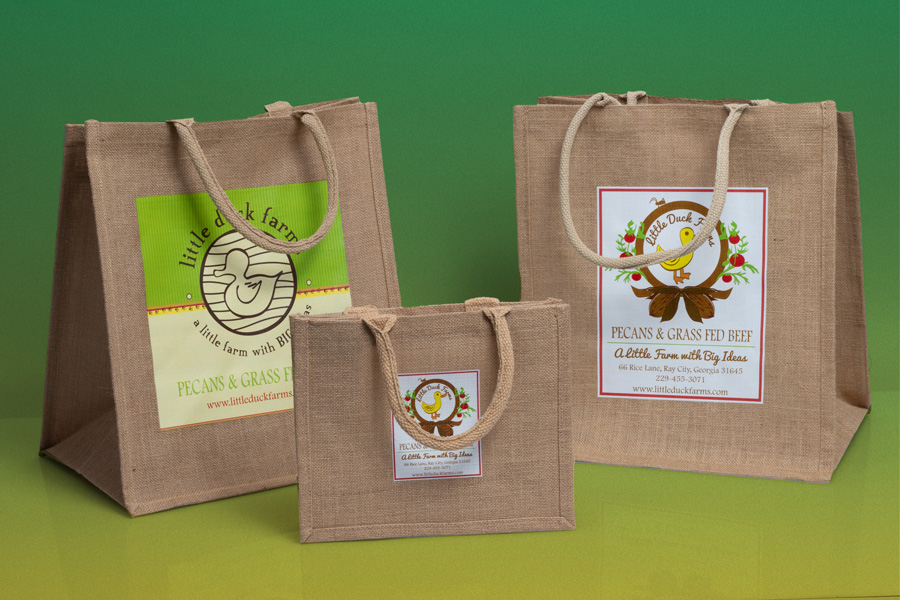
A practical approach to packaging sustainability starts with clear goals, such as reducing unnecessary materials, selecting appropriate sizes, or evaluating verified recycled content. Options may include paper shopping bags or reusable bags, depending on the product and intended use.
- Appropriate sizing: Reduce excess space and unnecessary layers while maintaining product protection.
- Practical reuse: Choose durable designs suited to repeated use when that fits your customers’ needs.
- Verified information: Confirm material attributes and any certification claims before printing them on packaging.
Recyclability and compostability depend on the complete packaging construction and available collection programs. Avoid assuming that a material name alone establishes how customers should dispose of it.
2. Digital Connections Through Packaging
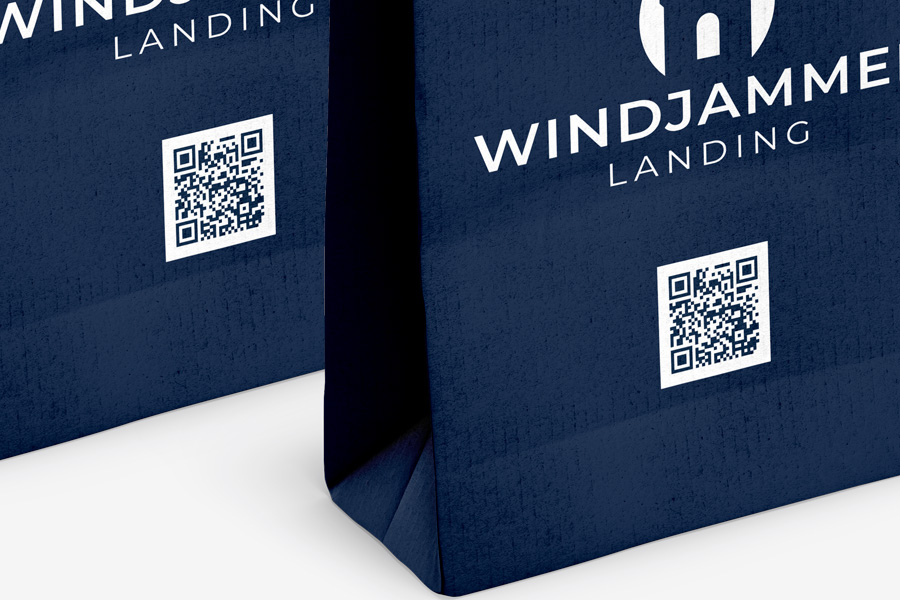
QR codes and other digital links can connect a physical package to useful online information. Start with a clear customer need rather than adding technology solely for novelty.
- Product information: Link to care instructions, setup guides, or answers to common questions.
- Brand storytelling: Share relevant information about your business, products, or materials.
- Relevant offers: Direct customers to a current promotion or a clearly explained loyalty program.
Test codes on the finished package and maintain the destination page. A QR code provides a link; features such as live tracking or freshness monitoring require additional systems or technology.
3. Personalization That Fits Your Operations
Personalization can range from a handwritten note to location-specific artwork. Choose an approach your team can produce accurately and consistently, and confirm printing capabilities before planning individual variations.
- Variable artwork: Ask whether the selected printing process supports changing names, messages, or designs.
- Localized details: Use coordinated artwork for a store opening, regional event, or local collection.
- Personal touches: Add a relevant note or insert without requiring a completely different package for every order.
4. Simple Designs with Premium Details
A restrained design can give a logo, material, or finishing detail room to stand out. Premium presentation does not require every surface to carry artwork or every package to include multiple decorative layers.
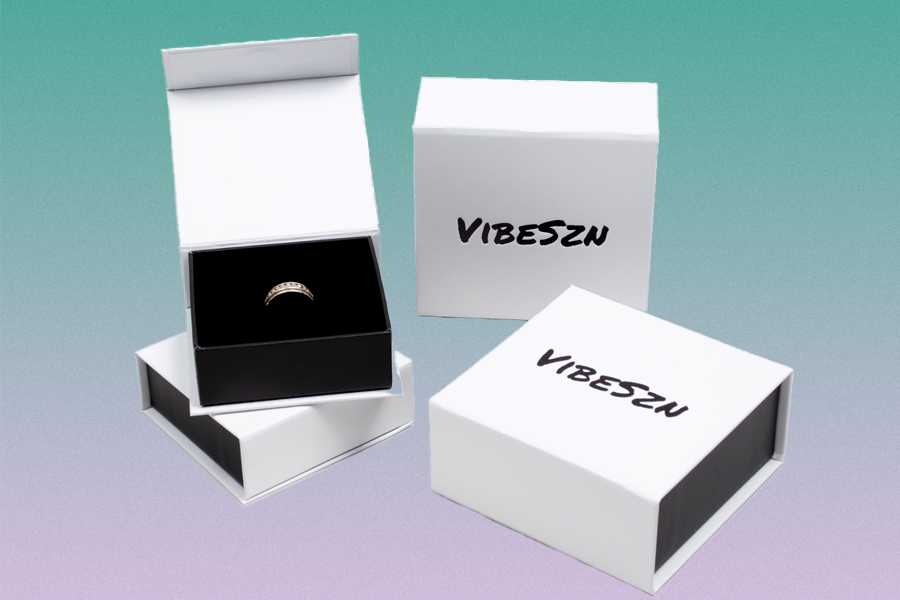
- Focused branding: Use clear logo placement and a limited number of supporting elements.
- Selected finishes: Consider embossing, debossing, or foil where available and appropriate for the material.
- Suitable construction: Choose a structure, such as a custom magnetic box, that fits the product and presentation requirements.
5. Packaging That Works on Camera and in Person
Packaging may appear in product listings, promotional photography, and unboxing videos. Review how the design photographs while keeping protection and ease of use central to the project.
- Readable visuals: Check that branding remains clear in small images and on mobile screens.
- Organized presentation: Arrange products so customers can identify and remove the contents easily.
- Appropriate shipping protection: Evaluate the complete shipping package rather than relying on presentation materials alone.
Photograph a sample order before approving the design. An attractive presentation can support your content, but customer sharing and social reach are never guaranteed.
6. Useful Features and Opportunities for Reuse
Packaging can remain useful after the initial purchase when its construction suits another task. Consider realistic ways customers might reuse it rather than adding features they are unlikely to need.
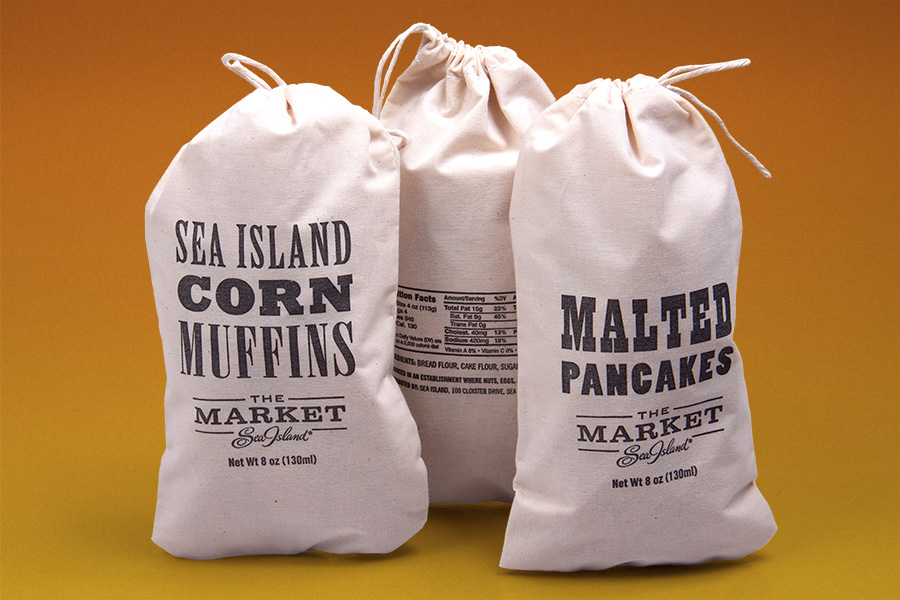
- Storage: Durable boxes or bags may help organize suitable household items.
- Repeated use: Select handles, closures, and materials that fit the intended reuse.
- Convenience: Consider easy-open features, suitable closures, and practical storage dimensions.
Test the package with the intended contents and avoid implying that it is suitable for food contact or another specialized use without confirming the relevant specifications.
7. Creative Collaborations and Special Collections
Artwork collaborations and coordinated promotional packaging can give a collection its own identity. A successful project needs clear creative direction, approved artwork, and a production plan that fits the launch.
- Tell a relevant story: Use artwork that connects the collaboration to the product or occasion.
- Define availability: Describe packaging as limited edition only when its quantity or availability is genuinely limited.
- Confirm permissions: Agree on artwork rights, logo use, approvals, and promotional materials before production.
8. Purposeful Color Choices
Color can help distinguish a brand, collection, or product category. Its meaning varies with context and audience, so avoid assuming that a particular shade will produce a fixed emotion or purchasing response.
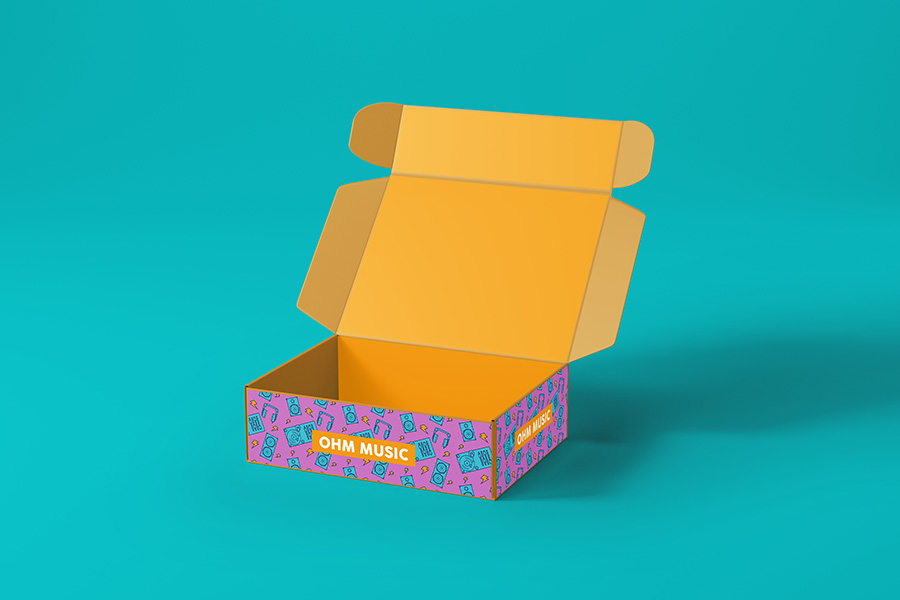
- Bold combinations: Use contrasting colors where they support your brand and keep information readable.
- Coordinated palettes: Connect the package to your website, store, and other customer materials.
- Printed samples: Review colors on the intended material because screen previews do not fully represent the finished result.
9. Clear Information and Easier Use
Readable information and straightforward opening features help customers understand and use a package. Plan these details early so they work with the artwork and structure.
- Clear instructions: Explain opening, product care, or component separation where needed.
- Supported claims: Keep documentation for statements about materials, recycled content, or other product attributes.
- Usability testing: Review text size, contrast, grip, and opening effort with a range of users.
Confirm the requirements that apply to your product and sales locations before approving packaging and labels. A design feature alone does not establish regulatory compliance or accessibility for every customer.
10. Playful and Nostalgic Design
Retro typography, illustrations, and unexpected messages can bring personality to packaging when they suit the brand. Keep the product easy to identify and the package practical to use.
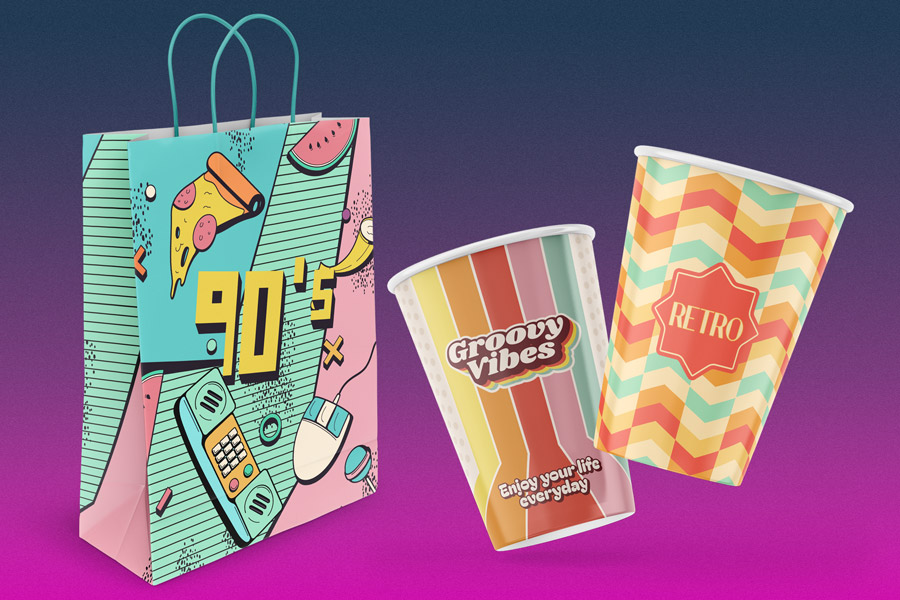
- Vintage-inspired artwork: Draw on a relevant era or your brand’s own history.
- Playful details: Add illustrations or messages that complement the product.
- Simple surprises: Use an inside-lid message or printed insert without making opening unnecessarily difficult.
Plan Your Next Packaging Project with Action Packaging
The best packaging ideas solve a practical need while expressing your brand. Start with the product, customer, and delivery method, then compare design options against your budget, quantities, storage space, and timeline.
Action Packaging can help you explore branded bags, boxes, and coordinated presentation options. Contact the Action Packaging team to discuss which approaches fit your next packaging project.