
Packaging protects products and gives businesses a way to present their brand. But extra layers can add material and shipping costs while making a product harder to open.
The Canadian Broadcasting Corporation called that frustration “wrap rage.” In a 2014 CBC Marketplace poll, more than 90 percent of respondents said they had experienced frustration when opening a product in the previous five years, and 69 percent said they had injured themselves in the process.
Reducing excess material can cut waste and make packaging easier to open. The challenge is doing that while still protecting the product in transit, on the shelf, and on the way home. These ten examples show how brands and designers approached that challenge.
1. FibreForm® Biodegradable Packaging
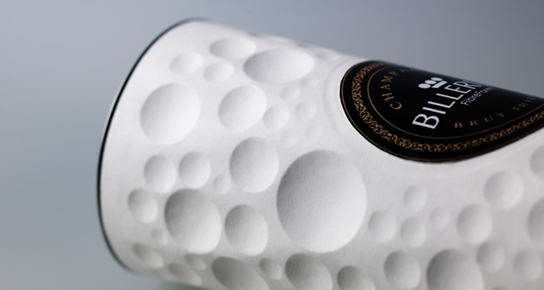
Food packaging often needs to keep products intact through shipping, handling, and display. Swedish packaging company Billerud developed FibreForm®, a formable paper that can be molded into shapes suited to different products.
That flexibility gives designers a way to shape packaging around the product. For food applications, the finished package still needs to meet the product’s requirements for moisture protection and shelf life.
2. TerraSkin® Paper Made from Stone
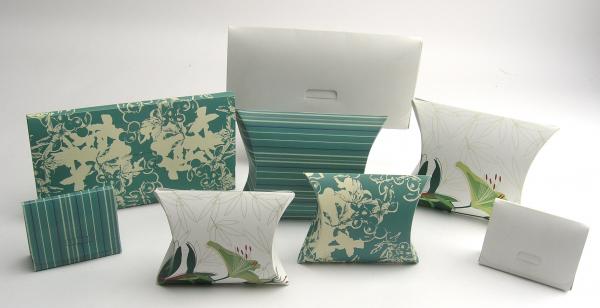
Many packaging designs use recycled paper, cardboard, or plastic. TerraSkin® takes a different approach with a material made from crushed stone that looks and feels like paper. The Museum of Modern Art in New York used it for gift boxes and shopping bags.
TerraSkin promoted the material as a wood-pulp alternative. Cost was one consideration. Bloomberg Businessweek reported that the material was more expensive than traditional paper.
3. Newton Running’s Eco-Friendly Shoe Box
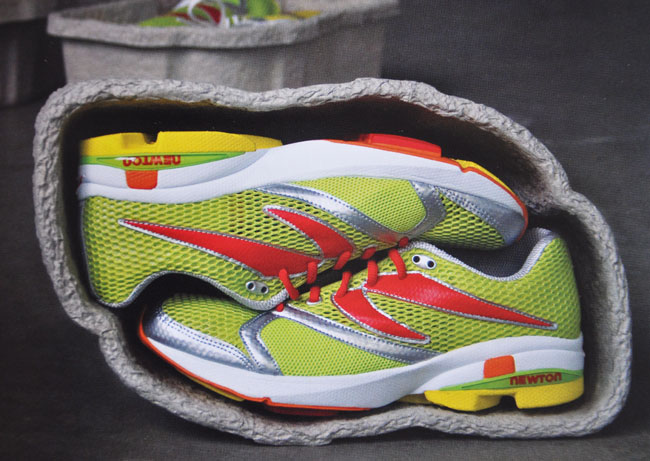
A conventional shoe box often holds shoes wrapped in paper, with more paper stuffed inside each shoe to help it retain its shape during transit. In 2009, Newton Running worked with designers on a molded carton made from 100 percent post-consumer recycled material. A rigid outer shell protected the shoes, while reusable shoe bags and socks stuffed into the shoes took the place of some of the extra packing material.
The design also revealed a practical trade-off. As Newton Running explained, the molded pulp boxes cost more to make, were produced far from the footwear factory, and didn’t stack efficiently in shipping containers, warehouses, or stores. Those factors affected freight costs.
4. The UPACKS “Universal Packaging System”
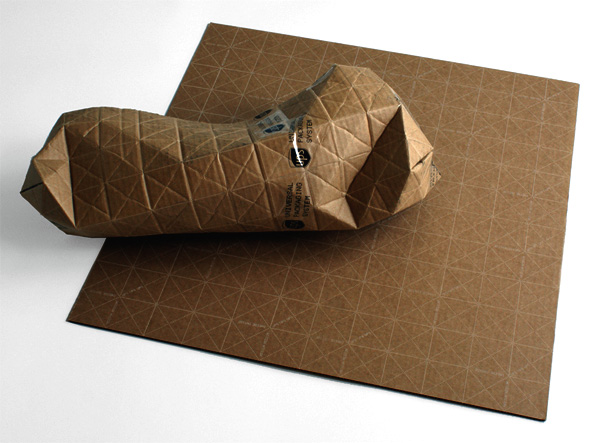
Ever open a large shipping box to find a much smaller package inside? An oversized box can take up extra space and require more filler to keep its contents from shifting.
Designer Patrick Sung proposed a corrugated cardboard sheet with a folding pattern that lets it wrap closely around different shapes. The UPACKS concept was designed to use less material while keeping the package rigid enough to protect the contents.
For lightweight items that can ship without a box, recycled kraft paper mailers offer another way to reduce unused space in a shipment.
5. ThermoPod Biodegradable Mail-Order Shippers
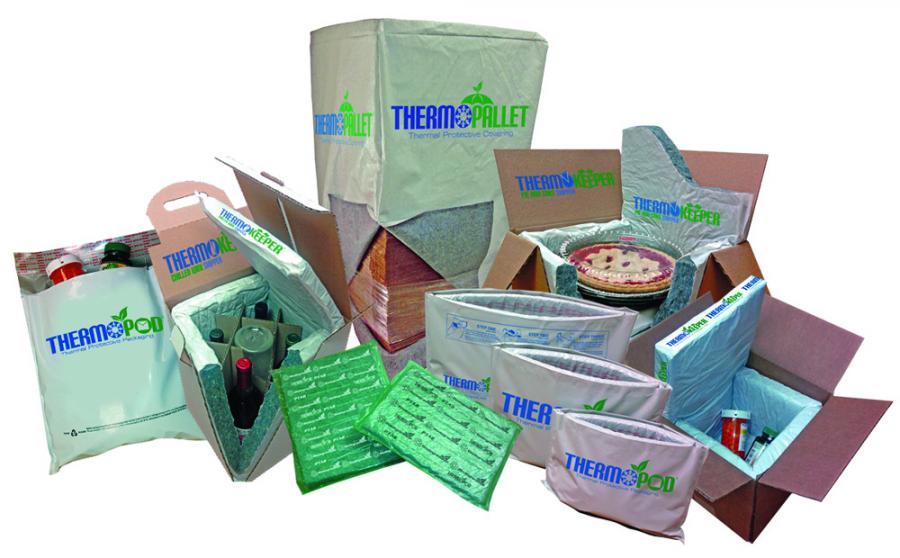
Shipping temperature-sensitive products like chocolate, seafood, and medication often requires insulation inside a protective outer container. ThermoPod’s ThermoKeeper liner was developed as an alternative to conventional insulation for those shipments.
An article in Refrigerated Transporter described the liner as using recycled cotton fibers that could also absorb spills. The design shows how a single layer can handle more than one job inside a package.
6. Quiznos Take-Out Containers
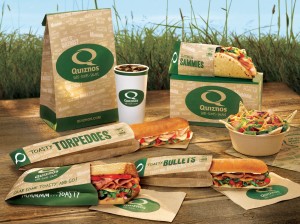
Quiznos’ CEO cited the Disney and Pixar film WALL-E as one inspiration for the sandwich chain’s waste-reduction efforts. As QSR Magazine reported, Quiznos looked at recyclable takeout packaging and explored whether it could work with municipalities to get more of its waste to recycling, sorting, or composting facilities.
Trend Hunter also reported that Quiznos planned to introduce employee uniforms made from recycled plastic bottles. The packaging effort raised a question that still matters for foodservice businesses: where will the container go after the customer is done with it?
7. Barely-There Packaging by Früute
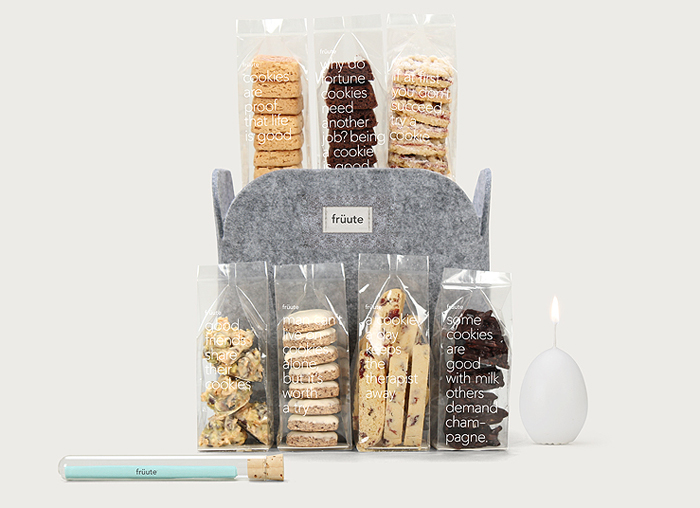
A box of cookies can include an outer carton, a plastic liner, and a separate tray. Los Angeles gourmet cookie company Früute worked with design studio Ferroconcrete on packaging that used fewer layers and let customers see the cookies.
As Trend Hunter described, the design used enough material to protect the cookies while keeping their colors and textures visible. For bakeries, that same display consideration can help determine which parts of a package customers need to see through and which parts need to provide support.
8. Puma’s Clever Little Bag
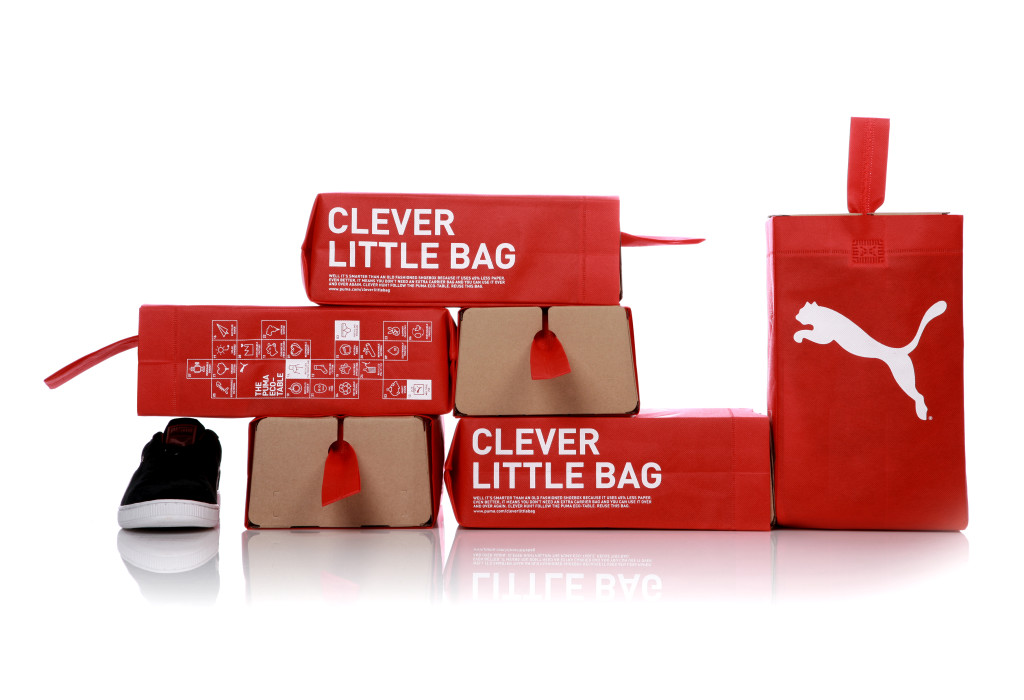
PUMA worked with design firm fuseproject to rethink its traditional shoe box. The Clever Little Bag paired a cardboard structure with a reusable bag. The cardboard protected the shoes in transit, and removable cutouts helped the shoes hold their shape.
The design won Best of Show at The Dieline Awards in 2011. The bag also served as the customer’s carryout bag, so the retailer didn’t need to provide a separate plastic shopping bag.
9. Ecovative’s Mushroom Packaging
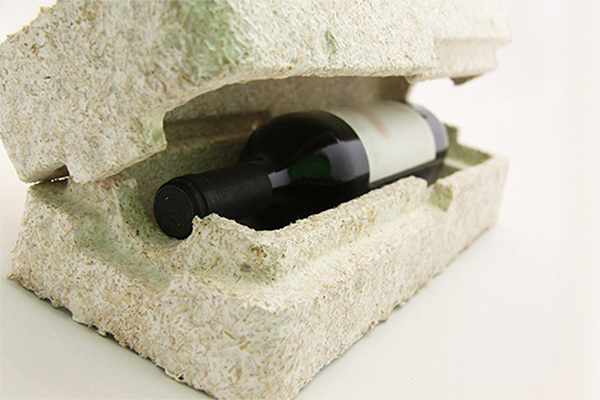
Ecovative developed molded protective packaging using mycelium, the root-like network of fungi. The mycelium binds plant material together as it grows, creating a shaped insert that can cushion a product in transit.
Like a molded foam insert, the material can be shaped to fit the item it protects. That makes it an example of how packaging designers can change the material while keeping a familiar protective format.
10. The 360 Paper Water Bottle
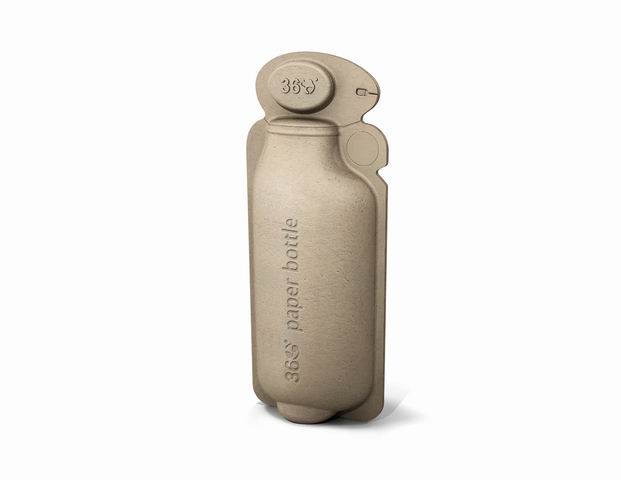
Designer Jim Warner created the 360 Paper Water Bottle as a concept for a fiber-based alternative to a conventional plastic bottle. In an interview with Gizmag, Warner described his goal of making a bottle that was practical and challenged the conventional design.
The concept used materials such as bamboo and palm leaves and featured a tear-off top that could be reattached to close the bottle. It won an INNOVIC International Next Big Thing Award in 2009.
Want to Use More Sustainable Packaging?
Start with how your packaging is used. Look at where you can remove a layer, size the package closer to the product, or choose a material that makes sense for how customers will use and dispose of it. For example, recycled natural kraft paper bags can work for smaller retail and foodservice purchases, while recycled kraft paper mailers are an option for shipping lightweight items.
This article originally appeared on Howard Packaging and was updated for Action Packaging. If you’re reviewing packaging for your business, Request a Quote and tell us what you need your packaging to do.